Interior Design for Real Estate – 10 Most Common Mistakes That Could Cost You the Sale
In today’s competitive market, simply uploading a listing online isn’t going to cut it when selling a property. Real estate interior design is huge in determining how fast your home sells, and ultimately for what price. But many sellers and agents also make expensive design errors that send potential buyers running without even booking a showing.
Consider: Buyers are scrolling through dozens of listings a day. They can form snap judgments in a couple of seconds. One ill-advised paint color or overcrowded room could be all that separates a showing request from a quick swipe to the next property. The good news? A lot of these errors can be easily avoided if you know what to look for.
This guide discloses the 10 most common interior design mistakes that diminish your monthly real estate sales. Whether you are a homeowner looking to sell, a real estate agent staging properties or an investor flipping houses, knowing these pitfalls will enable you to create spaces that appeal to potential buyers and optimize your return.
Mistake #1: Neglecting Your Target Buyer When Selecting Design
One of the greatest mistakes in interior design for real estate is decorating by own taste, and not to see what market research the taste chooses. That vibrant purple accent wall may look great to you, but it could be a gruesome eyesore to families hoping for a quiet suburban home.
All homes have a buyer in mind. Young professionals seeking a modern, minimalist design are drawn to a downtown condo. A four-bedroom suburban house is an attractive option for families that want comfort and functionality. Beach homes attract buyers seeking easygoing, coastal vibes.
Before you design anything, ask yourself: Who is going to buy this property? Study similar homes in your area. Pay attention to what does and doesn’t sell fast. Go to some open houses and see what design things seem to be selling a home.
For instance, if you’re selling a starter home to first-time buyers, there’s a good chance they care more about move-in ready spaces than expensive designer fixtures. But luxury property purchasers demand high-end finishes and attention to detail. This gets an immediate emotional connection, which you never achieve if you style generically and it’s exactly that gap between expectation and delivery.
Mistake #2: Over-Personalizing Spaces That Should Feel Universal
Six walls of family photos, your voluminous Elvis collection, that hand-painted mural of your dog could be everything to you. But to potential buyers, those personal imprints are a big hurdle. They can’t see themselves living their own lives in a space that shouts “someone else’s home.”
The interior design for real estate should help the buyer visualize themselves living there. When rooms seem too personal, buyers check out mentally. They spend their entire time showing it calculating how much work it’s going to take getting your custom wallpaper down instead of considering where they’d put their couch.
That does not mean your house should feel like a soulless hotel room. Instead, strive for what designers term “neutral personalization.” Overlay warmth from universally pleasant elements like fresh flowers, good textiles and artwork that tastefully speaks to general audiences. Think instead coffee table books of travel rather than your scrapbooks. Go for some simple, decorative chunks instead of the set of porcelain cats.
Any form of religious memorabilia, political paraphernalia or controversial artwork should be taken down when you sell. These items could turn off buyers with different beliefs or values. Reminder: the goal is maximum appeal with minimum barriers.
Mistake #3: Picking Paint Colors That Close The Door On Potential Buyers
Bold, fashionable colors sound like a terrific way to make your house stand out. But, sadly, they rarely achieve the desired result. That trend-forward millennial pink or deep navy accent wall might look amazing on design blogs, but it drastically restricts your potential buyer pool.
Paint color is one of the biggest and cheapest changes you can make to almost anything. Dark or bright colors make buyers envision how much time and money they’ll need to repaint. Many will just move on to the next one, rather than take on that mental project.
Stick with neutral palettes so that the rest is a blank canvas. Subtle whites, warm grays and soft beiges all work wonderfully in just about any space. These colors can help to make rooms feel bigger, brighter and more flexible. They also look better photographed for online listings, where most buyers first see your home.
With that being said, neutral is not boring. Adding contrast with various neutral shades in the same room can also add depth and interest. Opt for a slightly darker neutral on an accent wall, and consider using textured finishes to liven up the room without bombarding buyers.
Reserve bold colors for small, easily changed items such as throw pillows, art or fresh flowers. These upbeat notes of color inject some personality without the commitment of painted walls.
Mistake #4: Overlooking Proper Lighting in the Entire House
Enter a dimly lit home, and you can immediately sense the negativity. Dark, drab rooms appear smaller, older and less inviting. But many sellers, in their rush to get a property ready for market, underestimate the importance of lighting, zeroing in on things like furniture and paint.
Lighting has a huge impact on what kind of feel buyers have in your space. With plenty of natural light, rooms feel open and bright. Good artificial lighting accentuates architectural elements and presents an ambiance. Bad lighting, meanwhile, masks your property’s best features and amplifies its flaws.
Start by maximizing natural light. Scrub the windows, take down any heavy curtains and trim outdoor plants that block light. Replace with sheer curtains or simple blinds that buyers can pull back.
When it comes to artificial light, stack various types in every space. Ambient lighting provides overall illumination. Task lighting provides light for activities such as cooking or reading. Accent lighting is used to highlight artwork or architectural features. Most rooms need all three to feel finished.
Update old fixtures with new and appealing replacements. Replace dated light switches and dimmers. Make sure every room has enough light—house hunters should never be squinting to see when touring your home. Also, think about the color temperature of bulbs. Warm white (2700-3000K) will help set a relaxed and cozy mood, while cool white (3500-4100K) is ideal for kitchens and bathrooms.
Don’t forget outdoor lighting. Proper lighting in the driveway, walkways and on landscape elements, such as trees and shrubs is essential for curb appeal at all hours of the day and night.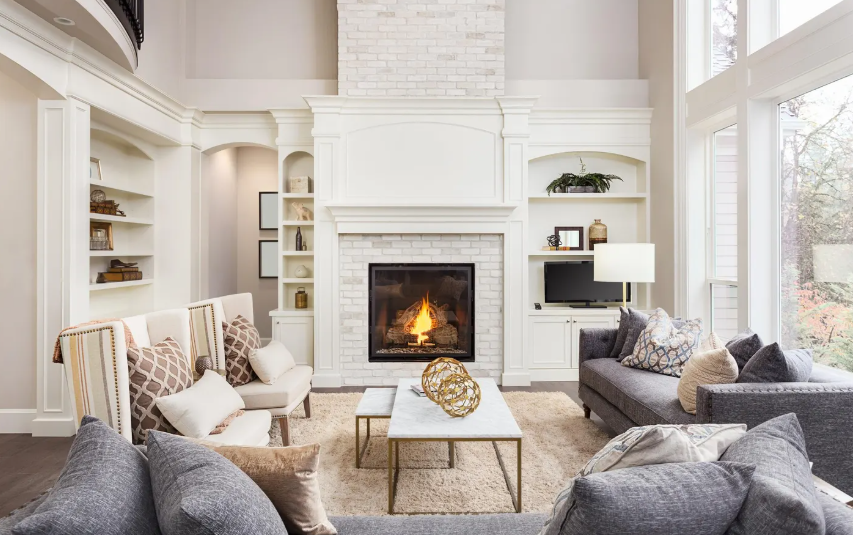
Mistake #5: Cluttering Rooms With Too Much Furniture and Decor
We all collect things over the years. But when you’re selling, every little thing counts against you. Cluttered areas will feel confined, disordered and less spacious than they really are. With your own stuff filling the space, buyers can’t even see what the room looks like.
High-end staging for interior design for real estate typically entails removing up to half of the furniture and decor in a home. This is extreme to many sellers, but it really works. Unoccupied space highlights the dimensions and flow. It frees the buyers to concentrate on the property and not worry about your stuff.
Take the “less is more” approach to a brutal conclusion. Remove additional pieces of furniture that obstruct natural pathways. Empty kitchen counters entirely except for one or two attractive items. Get rid of knickknacks, too many throw pillows and decorative items that aren’t functional or have a clear purpose.
Your closets deserve special attention. Packed closets say there’s nowhere to put anything away. Take half of what’s in there out, organize what’s left in a neat array and consider implementing systems that show off storage possibilities.
Books present a particular challenge. Floor-to-ceiling bookshelves lined with books may indicate that you’re well read, but they also show buyers that your home lacks space. Keep a few pretty books out and pack up the others. Same with any collections of anything—it’s meaningful to you, but visually distracting.
If it’s too hard to get rid of a piece on a temporary basis, rent storage space. The price will be more than made up for by a quicker sale and possibly higher amount received.
Mistake #6: Not Taking Flow and Functionality Into Account in Room Layouts
Buyers should be able to flow through your home effortlessly and know what each room is for. But a number of sellers stage furniture in ways that obscure pathways, or cause confusion about how spaces are meant to be used.
Great interior design for real estate focuses on traffic flow in the home. Wide, clear paths between rooms and around furniture help make houses feel larger and more livable. Doors that don’t open, maneuvering spaces between furnishings that just won’t fit and furniture that imposes its will are all a drag on the psyche.
Every room should have a clear function. That spare room you’ve been using as a storage facility and home gym makes buyers scratch their heads. Is it a bedroom? An office? A fitness room? Choose one function, and perform it well. Multi-use spaces are okay in reality, but almost never sell the property well.
Consider furniture scale carefully. Large furniture that meets your needs could feel disproportionately big for the room and make it seem smaller. Furniture that fits helps buyers make sense of the space’s size. Occasionally, taking out that gargantuan sectional and swapping in a petite sofa makes all the difference.
Establish conversation areas in living rooms. Set seating up in a way that encourages mingling, not aiming people towards the TV. This small alteration makes it easier for buyers to imagine hosting their friends and family in the space.
Don’t forget vertical space. Furniture that reaches for the ceiling can help a room with high ones feel grand, while in rooms with standard heights, lowering your pieces will do more than just free up space.
Mistake #7: Making Cuts When They Shouldn’t Be Made
Many sellers make the mistake of trying to save quick cash by allowing buyers to do their own renovations, upgrades and repairs.
Not much squashes buyer excitement quicker than maintenance issues or outdated features that practically scream, “Money pit!” It’s easy for your brain to tune out that dripping faucet or ugly bathroom tile, but buyers pay attention to everything. They begin to tally how much it will cost them to fix and ask what else is wrong.
Good interior design for property owners serves form second and function first. Repair leaky faucets, cracked tiles and any damaged walls; make certain all appliances are in working order. These fixes are relatively low cost but can make huge impacts in the minds of potential buyers.
Outdated elements also need attention. You don’t have to do a total gut renovation, but some improvements can yield high returns. Old carpets can be swapped for neutral flooring, kitchen and bath cabinet hardware can be updated, lights can be installed to modernize spaces on a tight budget.
Look especially close at the kitchens and bathrooms – it’s these rooms people buy houses for. If you’re looking for more interior design inspiration to transform these key spaces, there are plenty of ideas to explore. If full-cost renovations are out of the question, inexpensive updates include painting cabinets, swapping out countertops or fixtures and installing new backsplashes. Those focused changes can have a big impact on the look of a space.
Here’s a quick cost-versus-impact breakdown on some common updates according to Remodeling Magazine’s Cost vs. Value Report:
Update Type | Approximate Cost | Impact on Sale
- Fresh coat of paint throughout: $2,500-$5,000 | Very High
- Updated light fixtures: $1,500-$3,000 | High
- New cabinet hardware: $200-$500 | Medium-High
- Modern kitchen and bathroom faucets and fixtures: $600-$1,000 per room | Medium-High
- Replacing carpet with hardwood floors: $5,000-$10,000 | High
- Minor Kitchen Remodel: $8,000-$15,000+ | Varies
- Minor Bathroom Remodel: $7,000-$12,000 | High
Don’t mess with DIY repair without real skill. Sloppy paint jobs, crooked tile work and amateur patch-ups are worse, often, than the original problems. Even if they only see one bad DIY project, buyers will assume that the entire house is full of projects too sloppy to look good.
Mistake #8: Ignoring the Importance of Curb Appeal
The exterior of your home makes a first impression that often makes all the difference. Within seconds of pulling up, buyers are making judgments. A shabby exterior implies a shabby interior even when that’s not the case. But many sellers concentrate on the inside of their homes and overlook glaring issues outside.
Real estate interior design starts on the outside in reality. Putting a positive bounce in potential buyers’ step is a clean and well-kept exterior. By contrast, peeling paint, overgrown landscaping and a weathered front door begin the showing on a sour note that’s tough to reverse.
Start with the basics. Make sure the lawn is mowed, edged and green. Trim bushes and trees. Remove dead plants and weeds. Put a fresh layer of mulch in the flower beds. These are just simple landscaping jobs that make properties look cared for and loved.
The front door deserves special consideration, because it’s such a significant focal point. A fresh coat of paint in a lovely color, new hardware and a clean welcome mat offer an inviting entry. Think through the color of the door carefully — it should go with exterior elements to tie in, and also stand out just enough.
Don’t neglect other exterior elements. Wash or power wash siding, walkways, driveways. Fix or replace broken shutters, mailboxes and house numbers. Make sure outdoor lighting works and is contemporary in design. Place some potted plants near the entrance for additional color and life.
And don’t forget that curb appeal extends to what buyers see from the street. Cross the street and see your house as a buyer would. Take photos from this angle. What stands out negatively? What could be improved? Address these issues before listing.
Mistake #9: Not Staging or Improper Staging
Empty homes rarely sell well. They are cold, deadening to the thought and difficult for the understanding. Scaling is hard to determine with no furniture in the room. Echo-y spaces during showings feel bad. But some sellers believe saving money by forgoing staging is savvy.
Professional interior design for real estate staging can increase sale price by 5-15% and decrease time on market a lot. Even if you don’t have the budget for pro stagers, a little bit of staging is always better than none.
If professional staging isn’t in your budget, concentrate on staging just some key rooms yourself. Living rooms, master bedrooms, kitchens and dining rooms bring the highest returns. You don’t have to stage every closet and spare bedroom, but main living spaces should feel furnished and functional.
Here are the most common mistakes to avoid when staging it yourself:
First, make sure you don’t have old ratty furniture. Threadbare upholstery and dingy furniture are something buyers notice. If you must, rent or borrow better furniture. Second, stop shoving all furniture against walls. Furniture that floats in rooms, curiously enough, makes spaces feel bigger and more conceived. Third, and perhaps most important, is scale — the furniture should fit the room.
Build layers so there’s depth and personality to your style. Mix up textures with your pillows, throws and rugs. Mix up the heights a bit with lamps, plants and decorative objects. Create small lifestyle scenes on side tables and shelves that suggest lifestyle without creating clutter.
Rooms staged with plants and fresh flowers appear to be full of life. They provide color, a little bit of life and the sense that someone out there cares about the property. Just make it look like the plants are thriving — dying plants say exactly the opposite.
Virtual staging is catching on for online listings, but proceed with caution. If you stage photos, let the readers know and also make sure to stage the in-person property well. Buyers will arrive expecting what they saw in the online images and feel cheated if it’s empty.
Mistake #10: Ignoring the Smells, Sounds and Other Sensory Inputs
Buyers take in the feeling of properties through all their senses — not just sight. And yet most sellers concentrate solely on what their home looks like while neglecting the way it sounds, smells and feels. These sensory cues elicit emotional responses and these emotions prompt purchasing.
Smells particularly affect buyer perception. Many buyers will walk away from a home that smells of pets, smoke, cooked food or mildew. Your nose is accustomed to the smell of your home, so you may not even notice issues that would send visitors running.
Address odor issues properly. Don’t simply mask odors with candles or air fresheners — buyers will pick up on it and become suspicious that you’re covering up something worse. Instead, eliminate sources of odors. Deep clean carpets and upholstery. Wash curtains and bedding. Clean all appliances thoroughly. If you have persistent pet odors, you may need to hire a professional carpet cleaner or even replace the carpet with new flooring.
Keep the home well-ventilated. Open windows ahead of showings to establish circulation of fresh air. Change HVAC filters. If necessary, think about getting an air purifier.
Sound matters too. Homes should feel calm and quiet during showings. Turn off TVs and radios. Fix squeaky doors and floors. Ensure HVAC systems run quietly. Address noisy plumbing. Some sellers play soft background music during showings, but only if it’s low and universally pleasing.
Temperature affects comfort significantly. Adjust the thermostat so that it feels comfortable, but not overly warm or cold, for all showings. Uncomfortable buyers will not hang around long enough to enjoy the features of your home.
Tactile experiences count as well. Ensure doors open smoothly. Replace damaged doorknobs and drawer knobs. Ensure the light switches are functioning properly. These little details echo quality and thoughtfulness throughout the residence.
Great real estate interior design stimulates all of the senses to make the showing experience as appealing as possible. When buyers are comfortable and feel welcome, they are more likely to make offers.
Interior Design FAQs for Real Estate Home Staging
What should I budget for interior design when selling my house?
If purchasing is an option and you can afford to spend, it’s an excellent idea, especially when considering most pros recommend investing 1-3% of your property value on staging and design updates. But begin with low-hanging, high-impact fruit. The greatest return on investment for the least cost is usually new paint, decluttering and minor updates.
Is it worth it to professionally stage a home?
The numbers indicate that professionally staged homes sell faster and for more money than those not staged. And if there is any money in the budget, professional staging usually more than pays for itself in the form of speedier sales and better offers. For tight budgets, concentrate on staging major rooms yourself and think about hiring a professional for consultation only.
What colors are best for selling your house?
Neutral tones such as soft whites, warm grays and subtle beiges attract the broadest audience. These shades help a space feel more spacious and brighter, and provide buyers with an empty slate to envision their personal design style. Do not opt for trendy or bold colors that may turn off buyers.
Must I renovate the kitchen and bathroom before selling?
Complete overhauls aren’t always in order, but these rooms carry a tremendous amount of weight with buyers. Think about affordable options including painting cabinets, changing the hardware, updating fixtures and sprucing up lighting. Appeal, and therefore value, can be massively elevated by even subtle refreshes.
How empty should my home be for showings to buyers?
Get rid of about half the clutter and furniture. They should be furnished enough to indicate function, but empty enough to make them feel spacious. There should be clear paths of travel in every room, and the purpose of each space should be readily identifiable.
What do you think is the most common mistake sellers make when it comes to interior design?
Over-personalizing is likely the biggest mistake. Sellers at times can’t see beyond their own taste and lifestyle to create rooms that would appeal to potential buyers broadly. Keep in mind: you are no longer designing for yourself — you’re designing to sell.
Conclusion: How to Get Interior Design Right for Real Estate Success
Selling a house is not just a matter of luck and timing. Strategic real estate interior design can be all it takes to sell your home for a great price in record time or cause you months of frustration showing after showing with no offers.
The ten errors described above — from failing to focus on your target buyer to ignoring sensory details — all of these fall into that “totally avoidable” category. And most do not take vast budgets or professional skills. They just need awareness, planning and the willingness to see your home through buyers’ eyes and not your own.
Begin with the basics: fresh paint in neutral colors, decent lighting, decluttering and essential repairs. These bedrock upgrades generate the greatest ROI. Then come some of the more subtle details, like staging, better curb appeal and sensory considerations.
Bear in mind that each property and market is unique. What works for a luxury condominium will not always work for a family home. Study your individual market, learn about your target purchasers and design based on that.
The energy you spend in getting interior design right will pay off by speeding up your sale, making offer amounts higher and reducing unnecessary stress while selling. There are hundreds of properties for buyers to choose from. Make yours the one they choose by making spaces that are welcoming, neutral and move-in ready.
A walk through your property with someone who has never seen it before is worth the time invested. Even better, enlist a trustworthy friend or your real estate agent to flag concerns you may have stopped noticing. Fix those things before listing, and you will put yourself on the path for real estate success.