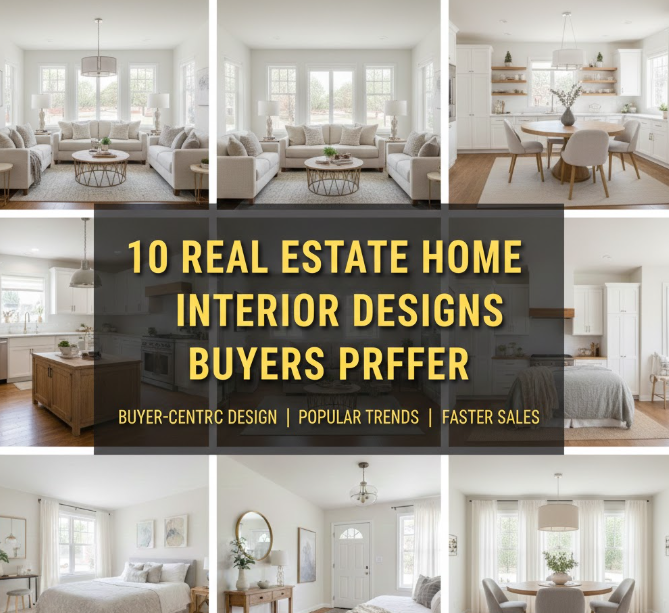
When it comes to selling a property, real estate home interior design plays a massive role in attracting potential buyers. The right interior can make a house feel like home the moment someone walks through the door. In fact, studies show that well-designed spaces sell faster and often for higher prices than poorly presented ones.
Today’s buyers are looking for more than just four walls and a roof. They want spaces that feel modern, comfortable, and ready to move into. Therefore, understanding which real estate home interior designs appeal most to buyers can give sellers a significant advantage in a competitive market.
This article explores the top 10 interior design styles that consistently catch buyers’ attention. Whether you’re a homeowner preparing to sell or a real estate professional staging properties, these insights will help you create spaces that buyers truly prefer.
Why Interior Design Matters in Real Estate
First impressions count, especially in real estate. When buyers tour a property, they’re not just evaluating the structure—they’re imagining their future life in that space. A thoughtfully designed interior helps them make that emotional connection.
Moreover, good design highlights a home’s best features while minimizing its flaws. It creates flow between rooms, maximizes natural light, and makes spaces feel larger and more inviting. Consequently, homes with appealing interiors often receive multiple offers and sell above asking price.
Smart real estate home interior choices also photograph well, which matters tremendously in today’s digital-first market. Since most buyers start their search online, stunning interior photos can be the difference between scheduling a showing or scrolling past.
1. Clean and Bright Minimalist Spaces
Minimalism continues to dominate buyer preferences in 2026. This style focuses on simplicity, clean lines, and clutter-free environments that help buyers envision their own belongings in the space.
Minimalist interiors typically feature neutral color palettes—whites, grays, and beiges—that appeal to the widest audience. These colors make rooms feel larger and brighter while providing a blank canvas for personalization. Additionally, minimal furniture and decor prevent spaces from feeling cramped or overwhelming.
Buyers appreciate minimalist designs because they convey a sense of calm and order. In our busy world, coming home to a peaceful, uncluttered space feels like a luxury. Furthermore, minimalism photographs exceptionally well, making online listings more attractive.
To achieve this look, focus on quality over quantity. Choose a few statement pieces rather than filling every corner. Keep countertops clear, hide personal items, and ensure plenty of natural light flows through each room.
2. Modern Farmhouse Charm
The modern farmhouse style blends rustic elements with contemporary comfort, creating a warm yet sophisticated atmosphere that buyers love. This real estate home interior approach has exploded in popularity over recent years and shows no signs of slowing down.
Key features include shiplap walls, exposed wooden beams, farmhouse sinks, and open shelving. However, modern farmhouse isn’t about looking dated—it pairs these traditional elements with sleek appliances, modern lighting, and updated finishes.
Buyers gravitate toward this style because it feels both cozy and current. The design strikes a perfect balance between nostalgia and modernity, appealing to families and young professionals alike. Plus, the neutral color schemes (think white, cream, and soft grays) work in any region or climate.
Popular additions include sliding barn doors, wide-plank hardwood floors, and mixed metal finishes. These details add character without overwhelming the space, creating homes that feel lived-in yet polished.
3. Open Concept Living Areas
Open floor plans remain one of the most requested features among home buyers. This layout removes walls between the kitchen, dining, and living areas, creating one large, multifunctional space.
The appeal is straightforward: open concepts make homes feel bigger, brighter, and more social. Parents can cook dinner while watching children play. Hosts can entertain guests without being isolated in the kitchen. Natural light flows freely throughout the space, reducing the need for artificial lighting.
Additionally, open layouts offer flexibility. Buyers can arrange furniture to suit their lifestyle without being constrained by small, compartmentalized rooms. This adaptability is particularly attractive to younger buyers who prioritize versatility.
When staging an open concept space, define different zones using area rugs, furniture placement, and lighting. This helps buyers understand how to use the space effectively while maintaining that desirable flowing feeling.
4. Spa-Inspired Bathrooms
Bathrooms have evolved from purely functional spaces to personal retreats. Today’s buyers want bathrooms that feel like luxury spas, offering a daily escape from stress.
Spa-inspired designs incorporate natural materials like stone and wood, neutral color palettes, and high-end fixtures. Features buyers love include rainfall showerheads, freestanding soaking tubs, heated floors, and double vanities. Good lighting is essential—combine task lighting around mirrors with ambient lighting for relaxation.
The psychology behind this preference is clear. After long workdays, people crave spaces where they can unwind and recharge. A well-designed bathroom transforms routine hygiene into self-care, adding significant perceived value to a home.
Storage also matters in bathroom design. Built-in shelving, medicine cabinets, and vanity drawers keep toiletries organized and counters clear, maintaining that serene, spa-like atmosphere.
5. Chef-Worthy Kitchens
The kitchen often serves as the heart of the home, so it’s no surprise that buyers pay special attention to this space. Modern buyers prefer kitchens that combine functionality with style, offering plenty of workspace and storage.
Desirable features include quartz or granite countertops, stainless steel appliances, custom cabinetry, and large islands with seating. The island has become particularly important—it provides extra prep space, casual dining, and a social gathering spot during parties.
Smart storage solutions also rank high on buyer wish lists. Deep drawers, pull-out pantries, lazy Susans, and appliance garages keep kitchens organized and clutter-free. Moreover, buyers appreciate built-in features like coffee stations or wine refrigerators that add convenience and luxury.
Lighting makes a huge difference in kitchen appeal. Layer ambient, task, and accent lighting to create a warm, inviting space that’s also highly functional for cooking and entertaining.
6. Cozy Scandinavian Design
Scandinavian design emphasizes comfort, simplicity, and connection to nature—values that resonate strongly with today’s home buyers. This real estate home interior style originated in Nordic countries but has gained worldwide popularity for its timeless appeal.
The Scandinavian aesthetic features light wood tones, white walls, and pops of muted color. Furniture tends to be functional yet beautiful, with clean lines and organic shapes. Natural materials like wool, linen, and leather add warmth and texture.
What makes this style so attractive to buyers? It creates spaces that feel both stylish and livable. Unlike some design trends that prioritize appearance over comfort, Scandinavian interiors invite you to relax and stay awhile. The abundance of natural light and greenery also promotes wellbeing.
To incorporate Scandinavian elements, focus on maximizing natural light, adding cozy textiles like throw blankets and pillows, and including plenty of plants. Keep color palettes soft and neutral, letting texture and natural materials provide visual interest.
7. Flexible Home Office Spaces
Remote work has fundamentally changed what buyers want in a home. Dedicated office spaces have shifted from nice-to-have to absolutely essential for many purchasers.
Buyers seek quiet, well-lit areas where they can work productively. This doesn’t necessarily mean a separate room—a thoughtfully designed nook or converted closet can serve the purpose. Key elements include good natural light, adequate electrical outlets, built-in storage, and space for a desk and comfortable chair.
The best home offices balance professionalism with personal style. Neutral backgrounds work well for video calls, while personal touches like artwork or plants make the space feel less sterile. Soundproofing or strategic placement away from high-traffic areas also adds value.
For sellers, even showing how a space could function as an office helps buyers envision possibilities. Stage a corner with a desk, good lighting, and organizational accessories to demonstrate the potential.
8. Warm Industrial Lofts
Industrial design brings an urban, edgy aesthetic that appeals particularly to younger buyers and city dwellers. This style celebrates raw materials and architectural elements that other designs might hide.
Think exposed brick walls, concrete floors, metal accents, and visible ductwork. Large windows, high ceilings, and open layouts amplify the spacious, warehouse-like feeling. However, modern industrial design softens these hard elements with warm wood tones, comfortable furniture, and strategic lighting.
Buyers drawn to this aesthetic appreciate authenticity and character. Industrial spaces feel unique and creative, offering a blank canvas for personal expression. The style also works beautifully in converted buildings like old factories or warehouses, preserving historical character while providing modern amenities.
To execute industrial design successfully, balance is key. Too many hard surfaces feel cold and unwelcoming. Incorporate soft textiles, area rugs, and warm lighting to create contrast and comfort within the industrial framework.
9. Nature-Connected Biophilic Design
Biophilic design integrates natural elements into interior spaces, responding to humans’ innate need to connect with nature. This real estate home interior approach has gained tremendous traction as people increasingly recognize the mental health benefits of natural environments.
Biophilic features include abundant plants, natural materials like wood and stone, water features, and maximum natural light. Large windows that frame outdoor views, living walls, and organic patterns in textiles or wallpaper all contribute to this aesthetic.
Research shows that biophilic design reduces stress, improves cognitive function, and enhances overall wellbeing. Buyers instinctively feel better in spaces that incorporate these elements, even if they don’t consciously recognize the design principles at work.
Simple ways to add biophilic elements include placing plants throughout the home, using natural wood furniture, incorporating stone accents, and ensuring window treatments allow plenty of sunlight. Even nature-inspired artwork or patterns can strengthen the connection.
10. Smart Home Technology Integration
Today’s buyers expect homes to include modern technology seamlessly integrated into the design. Smart home features have moved from luxury additions to standard expectations, especially among younger purchasers.
Popular smart features include programmable thermostats, video doorbells, automated lighting systems, smart locks, and integrated sound systems. The key is making technology feel invisible—controls should be intuitive, and devices should blend with the overall design rather than clutter it.
Buyers appreciate smart technology for its convenience, security, and energy efficiency. Programming lights and temperature saves money while automated security systems provide peace of mind. Voice-controlled features add an impressive, futuristic element that buyers often find exciting.
When showcasing smart features, demonstrate how they work during showings. Many buyers have never experienced these technologies and need to see their practical benefits to understand their value.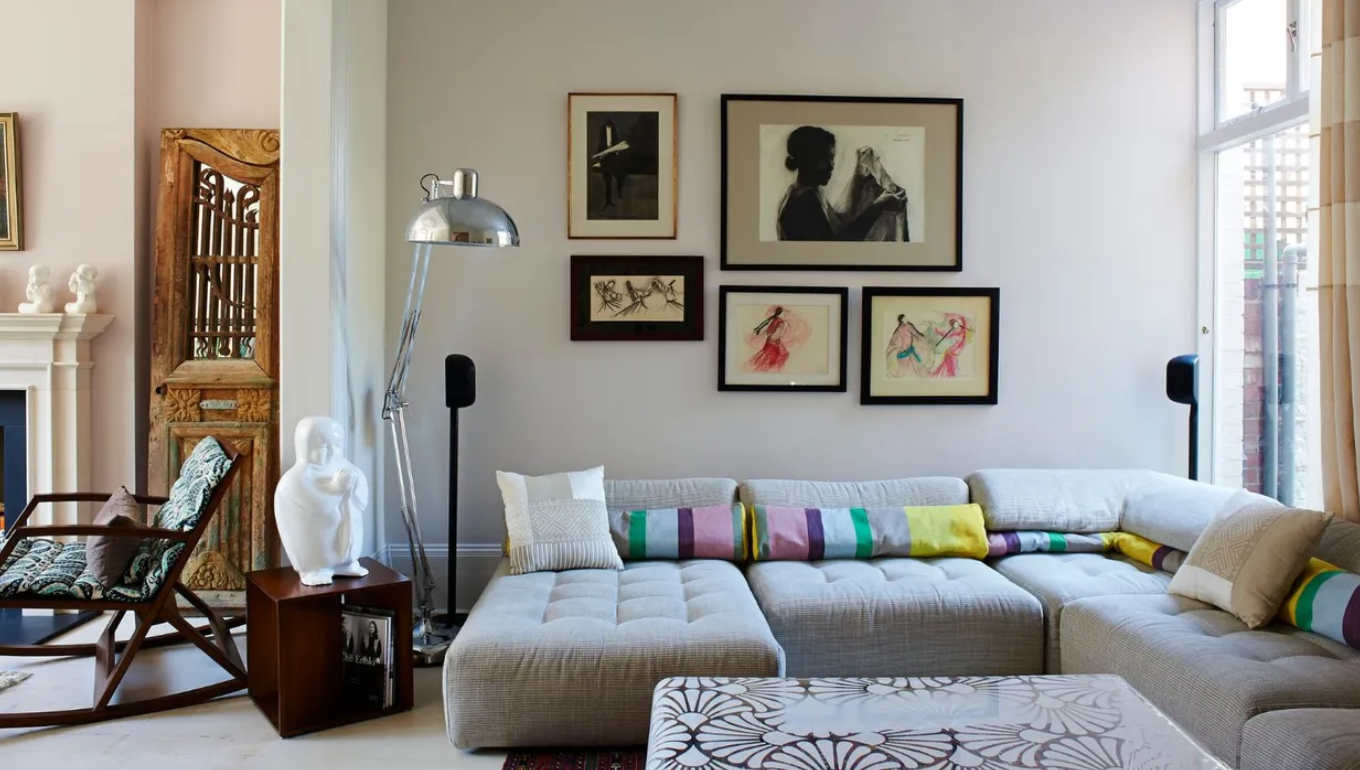
Color Palette Preferences Across Design Styles
| Design Style | Primary Colors | Accent Colors | Overall Feel |
|---|---|---|---|
| Minimalist | White, Gray, Beige | Black, Navy | Clean, Spacious |
| Modern Farmhouse | White, Cream, Soft Gray | Black, Wood Tones | Warm, Inviting |
| Scandinavian | White, Light Wood | Muted Blues, Greens | Bright, Cozy |
| Industrial | Gray, Black, Concrete | Rust, Copper | Edgy, Urban |
| Biophilic | Earth Tones, Green | Natural Wood, Stone | Calming, Organic |
How to Choose the Right Interior Design for Your Property
Selecting the best real estate home interior style depends on several factors. Consider your target buyer demographic, the property’s location, its architectural style, and current market trends in your area.
Research comparable homes that have sold quickly in your neighborhood. What design styles did they feature? What price points attracted the most interest? This competitive analysis provides valuable insights into local buyer preferences.
Also consider the home’s existing features. A historic Victorian naturally suits different styling than a modern condo. Working with—rather than against—the property’s inherent character creates more authentic, appealing results.
Budget matters too. Some styles require more investment than others. Minimalist design can be achieved relatively affordably, while full industrial conversions might demand significant expense. Choose a style that maximizes impact within your financial constraints.
Common Interior Design Mistakes That Repel Buyers
Even well-intentioned design choices can backfire if they don’t align with buyer expectations. Overly personalized or trendy elements often limit a home’s appeal. Bright purple walls or extremely specific themes make it hard for buyers to envision themselves in the space.
Neglecting storage is another critical error. Buyers need to see where they’ll put their belongings. Cluttered closets or lack of organizational systems raise concerns about the home’s functionality.
Poor lighting ranks among the top complaints from buyers. Dark, gloomy spaces feel smaller and less inviting. Invest in good lighting—both natural and artificial—to showcase your home’s best features.
Finally, mismatched styles create visual confusion. Mixing too many design aesthetics makes spaces feel chaotic rather than curated. Stick with one primary style and allow subtle variations within that framework.
The ROI of Professional Interior Staging
Professional staging typically costs between 1-3% of the home’s listing price but can yield impressive returns. Staged homes sell 73% faster on average and often command 5-15% higher prices than unstaged properties.
Stagers understand current buyer preferences and know how to highlight a home’s strengths while minimizing weaknesses. They have access to furniture, artwork, and accessories that create magazine-worthy presentations.
Moreover, professional staging ensures consistency across all rooms, creating a cohesive flow that appeals to buyers. The investment often pays for itself many times over through faster sales and higher offers.
Even modest staging—like decluttering, adding fresh paint, and arranging existing furniture more effectively—can significantly improve buyer response if full professional staging isn’t feasible.
Frequently Asked Questions
What is the most popular interior design style for home buyers in 2026?
Minimalist and modern farmhouse styles currently lead buyer preferences, with clean, neutral spaces appealing to the widest audience. However, preferences vary by region and buyer demographic.
How much should I invest in interior design before selling my home?
Most experts recommend investing 1-3% of your home’s value in staging and updates. Focus on high-impact areas like kitchens, bathrooms, and living spaces for the best return.
Do buyers prefer open concept or traditional floor plans?
Open concept layouts remain highly popular, especially among younger buyers and families. However, some buyers still appreciate defined spaces, particularly for home offices or formal dining areas.
Should I follow current trends or stick with classic design?
Balance is best. Choose timeless base elements with subtle nods to current trends. This approach appeals to style-conscious buyers while avoiding designs that might quickly feel dated.
How important is smart home technology to buyers?
Increasingly important, especially to younger buyers. Basic smart features like programmable thermostats and security systems are becoming expected rather than optional.
Can I stage my home myself or should I hire a professional?
While DIY staging is possible, professionals typically achieve better results due to their expertise and access to resources. If budget allows, professional staging usually delivers strong ROI.
Final Thoughts on Real Estate Home Interior Design
The right interior design transforms a house into a buyer’s dream home. Understanding which real estate home interior styles resonate most with today’s purchasers gives sellers a competitive edge in any market.
From minimalist serenity to modern farmhouse warmth, each of these ten design approaches offers unique appeal. The key is selecting styles that complement your property’s architecture, target the right buyer demographic, and showcase the home’s best features.
Remember that successful real estate home interior design isn’t about following every trend—it’s about creating spaces where buyers can genuinely imagine building their lives. Whether you choose professional staging or tackle the project yourself, thoughtful design decisions will help your property stand out and sell faster.
Ultimately, buyers want homes that feel move-in ready, comfortable, and reflective of their lifestyle aspirations. By incorporating elements from these popular design styles, you’ll create spaces that not only attract attention but also command premium prices in today’s competitive real estate market.