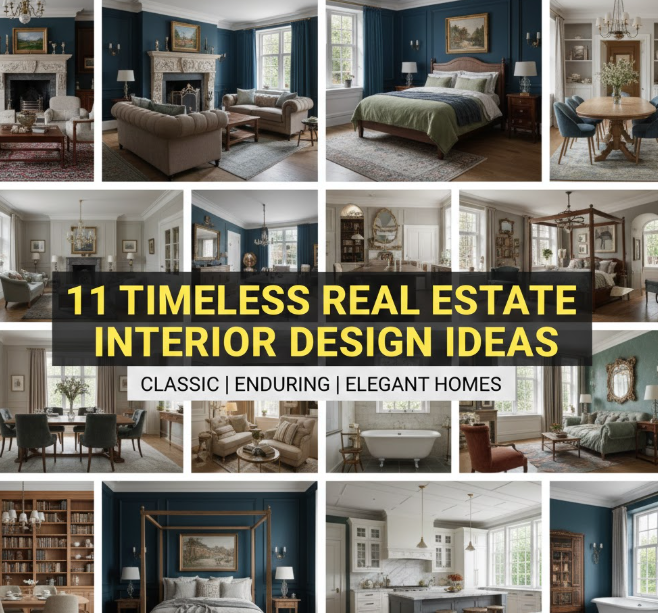
Real Estate Interior Design Ideas: 11 Timeless Styles That Sell Homes Fast
When selling a property or attempting to attract buyers, the right interior design can make all the difference. Whether you’re painting or curating art, your goal should be to make all spaces feel inviting, airy and ready for new ownership. Whether you’re a real estate agent staging a home or a homeowner getting ready to list your property, these design tips will help you show any room in the best light.
The best part? Never out of style, these classic looks are making a revamped comeback! They cater to a large swath of buyers and allow them to picture themselves living in the space. Below, we examine eleven design tactics that can turn any house into a homebuyer dream.
The Significance of Interior Design in Real Estate
Before taking a look at specific styles, let’s discuss the reasons design plays such an essential part in real estate. A good one could potentially add 5-15% to a property’s value and help the house sell as much as 73% faster than those that have not been staged. Great design evokes an emotional reaction from a would-be buyer, who falls head over heels for a house at first sight.
Furthermore, expert interior design showcases a home’s assets and minimizes any challenges. It provides a uniform look and one that tends to photograph well for online listings, where most home searches start today.
Modern Minimalist Magic
Minimalism is one of the most successful interior design ideas for real estate in modern homes. This look is about making lines clean, colors neutral and spaces clutter-free. It’s the “less is more” philosophy in action.
Key Elements of Minimalist Design
Begin with a neutral color scheme of whites, grays and beiges. Rooms will feel bigger and brighter with these colors. For your furniture, pick pieces with simple geometric profiles. Sleek seating, a glass coffee table and at least one streamlined shelving unit does the trick.
Keep decorations to a minimum. Instead of covering every surface, add a few statement pieces such as a large abstract painting or a sculptural vase. This strategy allows the architecture and space to take center stage here.
Why Buyers Love It
Sleek spaces are calming places to be. They also photograph beautifully, a crucial aspect for online listings. Buyers can easily picture their own belongings in these neutral, uncluttered spaces. Also, this look is attracting the younger buyers who prefer a more modern vibe.
Warm Contemporary Comfort
Minimalism is great, sure, but some buyers hanker for warmth as well as modern style. Contemporary warmth is achieved through clean lines, comfortable textures and warm colors. The result is an approachable look that feels as stylish as it does comfortable.
Creating Warm Contemporary Spaces
Start with a primary palette of neutral hues, and incorporate warmth via wood finishes. Natural beauty is introduced to the interior through oak floors, walnut furniture or bamboo accessories. Add soft textures with pile rugs, velvet cushions and linen curtains.
Lighting has a big effect here. Choose warm-toned LED bulbs and include several light sources at different levels. Yes, the floor lamps and table lamps (and pendant lights) you layer in can be warm — but not cozy like you get with overhead lighting that’s a little bit cold.
The Selling Advantage
This style is favored by families and professionals looking for a place that’s sophisticated and welcoming. It’s proof that a property can be fashionable without being icy or alienating. The warm touches provide a comfortable feeling for potential buyers seeing it.
Scandinavian Simplicity
Functional and beautiful: the Scandinavian design has become so popular also in real estate. It’s a Northern European style that is rooted in natural light, clean lines and a relationship to nature. It is one of the most adaptable real estate interior design ideas possible for a wide variety of property types.
Essential Scandinavian Features
Begin with an all-white or light gray foundation for walls and large furniture. Warm it up with light woods such as birch, pine or ash. Use natural materials like leather, wool and cotton in neutral colors.
Plants are an integral part of Scandinavian design. Bring in foliage with potted plants, hanging planters, or cut flowers. They are organic, so they breathe life and vitality into the room. Keep window coverings to a minimum, or hang sheer curtains for optimal light.
Market Appeal
This look is actually very nice in city lofts and contemporary dwellings. It makes small spaces feel big and an overall calm, which helps ease the stress of buyers while they’re walking through. Health-conscious buyers lap up the focus on natural light and clean spaces.
Transitional Balance
Transitional design is a combination of classic and modern design styles, it’s one of the most therapeutic real estate interior design style ideas for any home and market. This versatile look is so popular for the fact that it brings together traditional comfort and contemporary style.
Building a Transitional Look
Combine traditional furniture shapes with contemporary fabrics and finishes. For instance, pair a traditional rolled-arm sofa with crisp, bright geometric throw pillows. Pair antique wood with clean metal. The trick is to have a balance of about traditional 50 and contemporary 50.
Opt for a neutral palette with the occasional muted color. Taupe, cream and soft gray, warm beige operate as base colors. Instead, play with contrasting textures instead of bright colors. Think smooth silk curtains, nubby linen upholstery and polished wood surfaces.
Why It Works for Sales
Middle of the road design doesn’t make anyone mad, but it makes a lot happy. Traditional buyers love the traditional features and modern-thinking ones love those contemporary touches. This middle-of-the-road strategy makes properties feel current but not too trendy.
Coastal Retreat Vibes
Homes in deep inland areas can also take advantage of coastal-inspired design concepts. It’s a style that creates a sense of calm and relaxation — of being on vacation the moment buyers walk in. It works especially well for properties in warm climates or near any body of water.
Creating Coastal Interiors
Start with a palette of whites, soft blues, sandy beiges and seafoam greens. These are beach and sky hues that evoke a peaceful feeling. Opt for furniture with casual, easygoing lines — think slipcovered sofas and weathered wood tables.
Incorporate natural textures with, say, jute rugs, woven baskets and rattan furniture. Incorporate undertone nautical elements like rope-wrapped mirrors, driftwood accessories, or shell collections. You can make it chic to avoid falling into that nautical kitsch of anchors and life preservers.
The Buyer Connection
Coastal designs appeal to people’s vacation memories and hope for a carefree lifestyle. Buyers envision lazy weekends and quiet evenings in these spaces. The light and airy sensation can also create the illusion of more space while making a room inviting.
Industrial Edge
Industrial design makes chic city style your own. This look works well with lofts, converted warehouses and contemporary homes with soaring ceilings. It’s one of the more adventurous real estate interior design ideas, appealing to artistic homebuyers and young professionals.
Key Industrial Elements
Reveal things like brick walls, concrete floors or metal beams. If the elements are lacking, introduce an industrial feel through furnishings and decor. The industrial vibe is achieved via metal shelving units, factory-style lighting and leather furniture.
Offset the tough, raw materials with something softer. Warm the space with area rugs, throw blankets and upholstered seating. The rough and the smooth—the two different textures give visual appeal.
Market Positioning
Industrial spaces attract buyers in search of unusual, character-filled homes. This style has dramatic impact in photos, and makes listings pop online. It does especially well in urban markets where buyers favor edgy, contemporary design.
Mid-Century Modern Appeal
Mid-century modern never falls out of fashion. This antiquated, 1950s and 60s throwback technique is still one of the most popular real estate interior design ideas on the market to date. Its simple lines and natural shapes lend it an ageless quality.
Achieving Mid-Century Style
Concentrate on furniture with thin legs, curved lines and clean shapes. Opt for teak, walnut or rosewood pieces. Blend woods with statement accent colors, such as mustard yellow, burnt orange or teal. These color pops add character without taking over the room.
Introduce iconic design features (think sunburst mirrors, geometric patterns and abstract art). Keep window treatments spare — the mid-century marks the end of dark afternoons with heavy velvet curtains and wants to make everyone feel good. Add plants in ceramic planters for true period style.
Why Buyers Want It
Mid-century modern attracts design-savvy buyers who value quality and craftsmanship. The focus on being used over the style appeals to pragmatic homeowners. And real mid-century pieces hold their value, something that attracts investment-minded buyers.
Farmhouse Fresh
Modern farmhouse style has been all the rage for years now, and it’s no less popular in the real estate world. This is a warm, homely place that marries rustic appeal to modern comfort. It works well in suburban homes and rural properties.
Creating Farmhouse Interiors
Begin with a blank slate of white or cream walls. Bring old-world charm in with reclaimed wood features such as barn doors, open beams, or shiplap walls. Incorporate vintage details, such as farmhouse sinks and industrial lighting.
Add texture with cozy fabrics such as linen and cotton or wool. Try classic patterns such as gingham, ticking stripes and buffalo check. Include touches of warmth with some exposed shelving showcasing simple dishes, mason jars and woven bins. Fresh flowers and greenery tie it all together.
The Comfort Factor
Buyers love the farmhouse look, which immediately makes them feel at home. It evokes a simpler, more grounded way of life that so many yearn for. The focus on natural materials and hand-touched details speaks to buyers who are looking for authenticity in their homes.
Smart Space Solutions
Focusing on demonstrating a room’s efficiency has added importance in the current market. Efficient design solutions, where the space will serve as a storage area and is flexible are among the most practical real estate interior design ideas for contemporary homes.
Implementing Smart Design
Aim for multi-use furniture such as ottomans with storage, Murphy beds or expandable dining tables. Use built-in storage, wherever you can—under staircases, in awkward corners or along hallways. Demonstrate how every square foot is usable to buyers.
Design flexible spaces that have multiple uses. Provide a guest room that doubles as a home office, or display how a dining nook can be used for studying. Create zones within open-plan spaces with furniture arrangement.
Buyer Benefits
Today’s buyers, especially in high-density urban settings, want to use every last inch of space. Then they see how a room can work by doing things like showing them where to include clever storage solutions, creating flexible arrangements that show the height of possibility for the property. It really works well if you have say a small property or condo.
Luxe Traditional Elegance
Traditional elegance strikes a chord with any number of buyer segments, even in areas where many look for the most modern styles. Timeless design projects quality, longevity and elegant taste. It works great in larger homes and higher end properties.
Classic Design Elements
Opt for furniture in classic lines — rolled arms, turned legs, tufted upholstery. Dress those chairs in luxurious textiles of silk, velvet or damask in the colors like jewel tones or opulent neutrals. For a typical home, feel free to incorporate other architectural details including crown molding, wainscoting that works for you and decorative columns.
Add vintage touches with crystal chandeliers, antique mirrors and traditional artwork. Use symmetry when grouping furniture and locating accessories. Oriental carpets and floor-to-ceiling draperies add to the formal feel, along with gleaming wood surfaces.
Market Positioning
Classic design attracts older consumers and those pursuing enduring quality. It is especially effective in older homes or an upscale neighborhood. It also looks great in photos and suggests a kind of well-lived-in luxury that some buyers like.
Biophilic Natural Connection
One of the most innovative among stylish real estate interior design ideas is biophilic design—establishing strong ties with nature in interiors. This approach reflects rising buyer demand for wellness and environmentally-friendly living.
Bringing Nature Indoors
Utilize as much of the sunlight as possible. Use your windows where possible and minimize your window treatments. Incorporate the greenery of living plants throughout, from tiny succulents and herb pots to large floor plants. Incorporate natural elements like stone, wood, bamboo and cork into flooring, countertops and furniture.
Use water features such as small fountains or aquariums if possible. Opt for artwork and decor that highlights natural aspects and forms. Choose colors that are found in nature — earth tones, greens, blues and warm neutrals. Good air quality (through effective ventilation and air purifying plants).
Health and Wellness Appeal
Biophilic design speaks to buyers’ interest in healthier living environments. Studies show that nature connection reduces stress and increases well-being. Homes featuring these facilities are attractive to health-conscious buyers, and fetch top dollar in many markets.
Combining Styles for Maximum Impact
The good news for you: The most effective real estate staging is often a mix of several design philosophies. For instance, you may want to mix Scandinavian simplicity with biophilic elements, or a dash of transitional balance and smart space solutions. The trick is to help people visualize the possibilities, keep a cohesive style and create spaces that would appeal to your ideal buyer.
Think about the architecture and landscape of your property, and who the clientele is that you want to attract, when choosing which styles to promote. A studio apartment in a downtown high-rise might look great with industrial edge mixed with modern minimalism; a suburban family house could love farmhouse freshness and smart space solutions.
For more inspiration on creating beautiful, functional spaces, explore chic interior ideas that can help transform any property into a buyer’s dream home.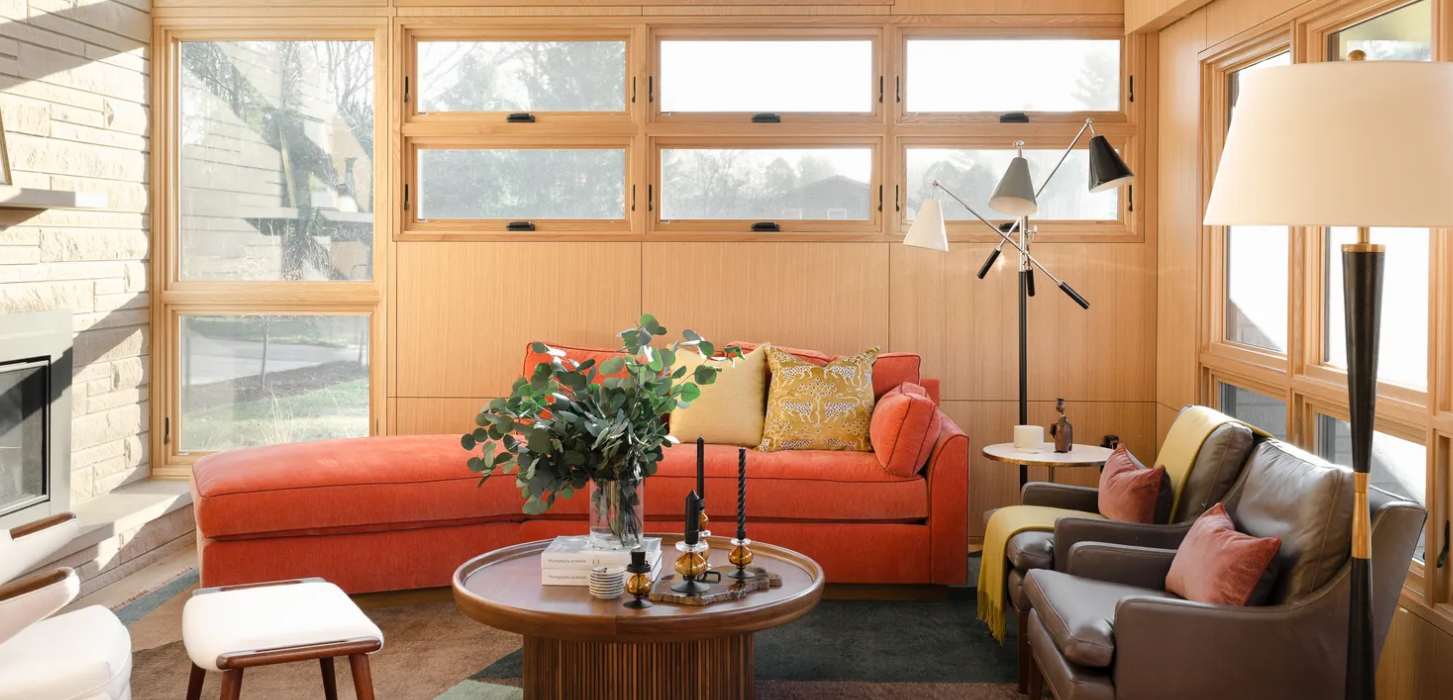
Design Value in Real Estate
| Design Style | Best For | Typical Impact to Speed of Sale | Ideal Buyer Range |
|---|---|---|---|
| Modern Minimalist | Urban properties, condos | 15-25% quicker | Young professionals, downsizers |
| Warm Contemporary | All property types | 20-30% quicker | Families, working couples |
| Scandinavian | Smaller-mid size homes | 25-35% faster | Millennials, first-timers |
| Transitional | All property types | 30-40% faster | Broadest appeal — all ages |
| Coastal | Homes near water/seaside areas | 20-30% faster | Vacation home seekers, retirees |
| Industrial | Lofts / modern homes | 15-25% faster | Creatives and young buyers |
| Mid-Century Modern | Updated older homes / some new builds | 25-35% quicker | Design enthusiasts, professionals |
| Farmhouse | Suburban and rural | 20-30% faster | Traditional demographic, Millennials |
| Smart Space Solutions | Smaller properties / Condos | 15-25% faster | Urban dwellers, families |
| Traditional Elegance | Upmarket/large family homes | 20-30% faster | Mature buyers |
| Biophilic Natural | Properties with green credentials | 25-35% faster | Wellness-focused, nature lovers |
Budget-Friendly Implementation Tips
These real estate interior design ideas don’t require a massive budget. Begin, of course, with the basics: fresh paint in relatively neutral colors, deep cleaning and decluttering. These 5 basic ideas form the basis of any design style.
Then concentrate on high-impact spots like the living room, kitchen and master bedroom. Reposition the furniture you already have to ensure better flow. Thoughtful accessories such as throw pillows, plants and artwork also are great ways to incorporate affordable impact in the style you have chosen. Browse thrift shops and online marketplaces for affordable furniture pieces.
Rent furniture and accessories for staging if the home is vacant. And professional staging companies offer packages that include everything you need to properly show a home. The investment tends to pay five to 15 times the cost in faster sales and higher offers.
Common Design Mistakes to Avoid
With the best real estate interior design ideas ever there remain worst mistakes that will sabotage your efforts. Don’t over-personalize spaces with dramatic colors or wacky decor that might not fly with most buyers. Avoid trendy elements that will look dated by the time the property sells.
And don’t forget scale — furniture that is too big will make your rooms feel smaller, and pieces that are too small will get lost in the space. Don’t cover natural light with heavy curtains or furniture. Don’t overlook lighting: Dark areas read as smaller and less welcoming.
And lastly, be consistent throughout the property. People are confused and their buying experience is interrupted when they move from one room with a country style to another with an ultra contemporary look. Decide on a cohesive design direction and follow it through the whole house.
Frequently Asked Questions
What is the best color for real estate interior design?
Most real estate properties are best with neutral colors. Whites in shades of linen, bone, and cream are ideal on walls, while it’s ultra-sophisticated to apply gray when highlighting floors and trim work. Soft grays and beiges on the walls create a relaxing environment that welcomes feature pieces. And if incorporating color is your thing…you can always take advantage of your beautiful new blank canvas: customize with furniture! These colors can also give a sense of space, brightness and cleanliness. You can infuse pops of color with accessories and artwork that you can refresh to reflect different styles.
What is the appropriate amount to spend on staging your home for sale?
According to industry advice, a homeowner should spend between 1% to 3% of their home’s listing price on staging services. On a $300,000 house, that’s $3,000 to $9,000. Even if you have a budget on the lower side ($500-$1,000), impact can still be achieved by focusing on key areas, like the living room and master bedroom. The investment pays for itself 5-15 times over.
Which rooms are the most important for interior design in real estate?
The three most important rooms to design well: The living room, kitchen and master bedroom. The rooms make the strongest first impression and appear in most listing photos. Bathrooms count, too, because they are decision-making areas for buyers. Give priority to designing these aspects first.
Can I mix various design styles at one property?
Yes – but try and keep some sort of a running theme. Opt for coordinating styles that have at least one thing in common — such as color palette or type of material. For instance, pairing modern minimalist with Scandinavian does work because they both focus on clean lines and neutral colors. Try not to make drastic changes in a style if the theme doesn’t carry through.
How do I pick the best design style for my home?
While you’re deciding, think about 3 variables: the architecture of your property, who you’re trying to sell to and local market trends as well. A mid-century modern home would lend itself naturally to that design style, whereas a new build may be a better fit with contemporary or transitional design. Research what’s hot in your area and who is buying.
Does good interior design really help homes sell more quickly?
Yes, absolutely. The stats are proof: Staged homes sell 73% faster than non-staged houses. Professional design enables buyers to form emotional attachments with a space, and when they fall in love, suddenly multiple offers start rolling in. Good design also photographs better—an essential, as 95% of homebuyers first view homes online.
What separates staging from interior design for real estate?
Staging is a short-term design, with the very specific goal of quickly and profitably selling a home. It is designed for mass appeal and best presentation of the home. Living interior design is a lot more personal and brings out the owner’s taste in style. Real estate staging employs neutral, universally appealing designs.
Is minimalist better than lived in when it comes to home sales?
The clean lines of minimalist styles often play well because they enable buyers to imagine their own possessions in the space. But the rooms can feel cold when they’re completely empty, and it can be difficult to gauge scale as a result. The answer is somewhere in the middle: well-curated spaces that are decorated but not cluttered, providing an attractive backdrop for living, and offering buyers ideas about the potential of a home without overwhelming them.
Making Your Design Vision Reality
The choice to do so does not have to be daunting when you are looking for the very best home interior design ideas. Begin with a strong plan that leverages your property’s strengths and suits its target market. Do it bit by bit, starting with the high-impact changes and most vital spaces.
Remember: The aim isn’t to design your dream space — it’s to create a place where potential buyers can envision their own dreams unfolding. Keep the designs neutral enough to attract a broad range of buyers and add enough character to make the property memorable.
According to the National Association of Realtors, well-staged homes not only sell faster but often command higher prices, making professional interior design a worthwhile investment for any seller.
Final Thoughts
Good interior design can make any house into a must-see home and, with the right aesthetic that transforms any property from a bunch of rooms to just another listing. These 11 classic strategies set the stage for effective real estate promotion. You can opt for modern minimalism, warm contemporary comfort or classic traditional elegance — but the point is to create spaces that feel inviting, useful and move-in ready.
But real estate design success has less to do with chasing every trend or creating Instagrammable spaces. Instead, it’s about identifying what buyers want and need — and then presenting your home to fulfill some of those desires. Use these tried and true real estate interior design ideas, and you will end up with photographs that look amazing, show fantastic – ultimately get the home sold faster for more!
Take the time to plan your strategy carefully, spend where it counts and show every room at its very best. The time you’ve spent considering interior design carefully will be worth it when the offers start rolling in and your property quickly sells.