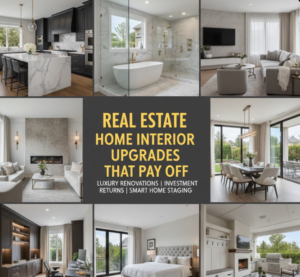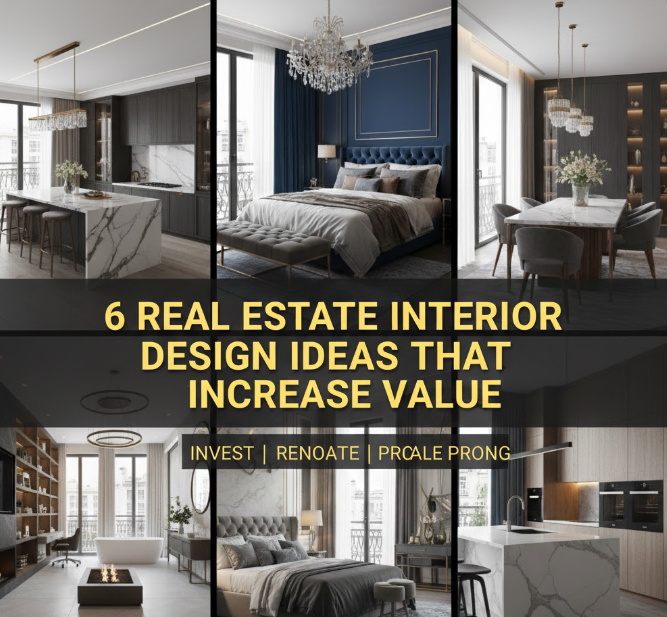
When you’re preparing to sell a home or investment property, making the right improvements can mean thousands of extra dollars in your pocket. Smart real estate interior design ideas don’t just make spaces look prettier—they create emotional connections with buyers and justify higher asking prices. Studies show that professionally designed homes sell 87% faster and for 7-10% more than comparable properties without design improvements.
The secret isn’t about spending the most money. Instead, it’s about knowing which design choices create the biggest impact on perceived value. Buyers today want move-in ready homes that feel modern, functional, and Instagram-worthy. They’re willing to pay premium prices for properties that check these boxes.
This guide breaks down six powerful design strategies that consistently increase property values. Each approach has been proven effective by real estate professionals, interior designers, and market data. Whether you’re a homeowner preparing to sell, a real estate investor, or a property flipper, these real estate interior design ideas will help you maximize your return on investment.
Why Interior Design Matters for Property Value
Before diving into specific strategies, let’s look at why design makes such a huge difference in real estate.
First impressions happen in seconds. When potential buyers walk through a door, their brains make instant judgments about quality, maintenance, and whether they can picture themselves living there. Good design triggers positive emotional responses that translate directly into higher offers.
Second, design helps buyers visualize possibilities. Empty rooms feel smaller and less valuable. Poorly designed spaces make buyers worry about renovation costs. Strategic design removes these mental barriers and showcases a property’s full potential.
Third, professional design signals that a property has been well-maintained. Buyers assume that owners who invest in thoughtful interiors also take care of mechanical systems, roofing, and other expensive components.
1. Open Up Floor Plans to Create Modern Flow
Modern buyers crave open, flowing spaces that accommodate their lifestyles. The days of chopped-up rooms and isolated kitchens are over. Creating an open floor plan is one of the most valuable real estate interior design ideas you can implement.
Breaking Down Walls Strategically
Removing walls between kitchens and living areas creates an immediate sense of spaciousness. However, not every wall should come down. Load-bearing walls require professional structural work and permits. Non-structural walls between kitchens and dining rooms typically offer the best return on investment.
The average cost to remove a non-load-bearing wall ranges from $500 to $2,000. This investment can increase a home’s value by $5,000 to $15,000 in most markets. The key is creating logical sight lines and maintaining traffic flow.
Creating Zones Without Walls
If removing walls isn’t feasible, you can still achieve an open feel through clever furniture placement and design tricks. Area rugs define separate zones within larger spaces. Furniture arrangements can suggest boundaries without blocking views. Half walls or columns preserve some separation while maintaining openness.
Maximizing Natural Light
Open floor plans work best when paired with abundant natural light. Removing heavy window treatments, painting walls in light colors, and strategically placing mirrors all enhance the sense of openness. Consider replacing solid doors with French doors or glass panels to allow light to flow between rooms.
2. Update Kitchens with High-Impact, Budget-Friendly Changes
Kitchens sell houses. This isn’t just a saying—it’s backed by real estate data showing that kitchen updates offer some of the highest returns on investment. You don’t need to gut everything to see major value increases.
Focus on Visible Elements First
Cabinet refacing costs 30-50% less than full replacement while delivering similar visual impact. Fresh paint on existing cabinets in trending colors like navy, sage green, or classic white instantly modernizes a kitchen. New hardware seems like a small detail, but swapping outdated pulls and knobs for contemporary options costs under $200 and makes a dramatic difference.
Countertops catch every buyer’s eye. Quartz and granite remain the gold standards, but high-quality laminate now comes in convincing stone looks at a fraction of the price. For budget-conscious projects, consider updating only the most visible countertop sections.
The Backsplash Effect
A stylish backsplash delivers maximum visual impact for minimal investment. Subway tile remains timelessly popular and DIY-friendly. Peel-and-stick options now offer surprisingly authentic looks for under $100. This single update can make a 20-year-old kitchen feel current.
Lighting Makes or Breaks the Space
Replace dated fluorescent fixtures with modern pendant lights or recessed LED lighting. Under-cabinet lighting adds both function and ambiance. These electrical updates typically cost $300-$800 but can increase perceived value by thousands.
| Kitchen Update | Average Cost | Value Added | ROI |
|---|---|---|---|
| Cabinet Refacing | $4,000-$9,000 | $7,000-$12,000 | 75-85% |
| Countertop Replacement | $2,000-$4,500 | $3,500-$6,000 | 70-80% |
| Backsplash Installation | $600-$1,500 | $1,200-$2,500 | 85-95% |
| Lighting Upgrade | $300-$800 | $1,000-$2,000 | 120-150% |
| Hardware Replacement | $100-$300 | $500-$1,000 | 200-300% |
3. Transform Bathrooms into Spa-Like Retreats
Bathrooms rank second only to kitchens in influencing buyer decisions. Fortunately, strategic updates in these smaller spaces cost less than kitchen renovations while still delivering impressive returns. These real estate interior design ideas for bathrooms focus on creating luxury experiences.
The Power of Fresh Fixtures
Dated faucets, showerheads, and towel bars scream “old house.” Modern fixtures in brushed nickel, matte black, or polished chrome immediately elevate a bathroom’s perceived value. A complete fixture swap costs $200-$600 but can make a 15-year-old bathroom feel brand new.
Rainfall showerheads have become must-have features for many buyers. They suggest luxury and self-care. Installation typically requires no major plumbing work, just unscrewing the old head and attaching the new one.
Vanity Updates That Wow
Bathroom vanities frame the entire space. A tired, builder-grade vanity with laminate countertops hurts perceived value. Replacing vanities offers returns of 70-80% on investment.
For tighter budgets, paint existing vanities and replace countertops with marble-look quartz or solid surface materials. Vessel sinks add modern flair and cost less than traditional drop-in models.
Small Details, Big Impact
White grout between tiles yellows over time and looks dingy. Re-grouting or using a grout pen costs under $50 and takes a few hours. The freshness difference is remarkable.
Updated mirrors matter more than most sellers realize. Frameless or minimally framed mirrors feel contemporary. Ornate, dated frames do the opposite. Adding LED lighting around mirrors creates a hotel-spa ambiance that buyers love.
Coordinated accessories—matching soap dispensers, toothbrush holders, and towel sets—create a cohesive, designed look. These finishing touches cost under $100 but signal attention to detail.
4. Master the Art of Neutral Color Palettes
Paint is the lowest-cost, highest-impact update in real estate. However, color choice makes all the difference between adding value and limiting appeal. Smart real estate interior design ideas always include strategic color selection.
Why Neutrals Win Every Time
Bold colors reflect personal taste. While you might love deep purple walls, potential buyers often can’t see past them. Neutral doesn’t mean boring—it means versatile. Shades of white, gray, beige, and greige (gray-beige) appeal to the broadest audience.
Neutral walls serve as blank canvases. Buyers can visualize their furniture, artwork, and style in these spaces. This mental ownership drives emotional attachment and higher offers.
Choosing the Right Neutrals
Not all neutral colors work equally well. Cool grays can feel sterile in homes without abundant natural light. Warm beiges sometimes read as dated. The solution? Test multiple shades in different lighting conditions.
Popular neutral colors for maximum value include:
- Agreeable Gray (warm, versatile gray)
- Simply White (clean white without coldness)
- Repose Gray (perfect greige balance)
- Accessible Beige (warm, inviting neutral)
- Edgecomb Gray (soft, warm gray)
The Accent Wall Strategy
If you must add color personality, use the accent wall approach. Paint one wall in a room with a slightly bolder shade while keeping other walls neutral. This satisfies the desire for character without overwhelming spaces or limiting buyer appeal.
Earth tones—sage green, dusty blue, terracotta—work well for accent walls because they feel current but not trendy. They complement rather than dominate.
Ceiling and Trim Considerations
Many people overlook ceilings and trim when planning paint projects. Bright white ceilings make rooms feel taller and more open. Painting trim in crisp white creates clean lines and architectural interest, even in older homes.
The small investment in painting—$2-$4 per square foot professionally or $200-$400 for DIY materials—returns 50-100% in added value while making properties show significantly better.
5. Upgrade Flooring for Instant Perceived Quality
Floors occupy the largest visual surface in any room. Worn, dated, or mismatched flooring immediately signals neglect and lowers perceived value. Conversely, beautiful floors elevate entire properties. These flooring-focused real estate interior design ideas deliver substantial returns.
The Luxury Vinyl Plank Revolution
Luxury vinyl plank (LVP) has transformed real estate design. This material mimics hardwood with remarkable accuracy while offering superior durability and water resistance. LVP costs $3-$7 per square foot installed—a fraction of hardwood’s $8-$15 per square foot.
For investors and flippers, LVP represents the sweet spot between cost and perceived value. Buyers often can’t distinguish high-quality LVP from real wood, especially in photos.
Hardwood Refinishing Versus Replacement
Real hardwood floors remain the gold standard for home value. If your property has existing hardwood buried under carpet or damaged from years of use, refinishing delivers incredible returns.
Professional hardwood refinishing costs $3-$5 per square foot. This investment can add $5,000-$10,000 to a home’s value. The fresh, glossy appearance suggests quality and care.
For severely damaged floors beyond repair, replacement might be necessary. However, consider which areas buyers actually see. Main living spaces and bedrooms matter most. Rarely seen areas can wait.
Continuity Creates Flow
Mixing multiple flooring types throughout a home creates visual choppiness. Buyers perceive these homes as less valuable and less cohesive. Using the same flooring throughout main living areas creates seamless flow and makes spaces feel larger.
The exception? Tile in bathrooms and possibly kitchens remains acceptable and expected. The key is transitioning naturally between flooring types without jarring changes.
Don’t Forget the Details
New flooring only delivers full value when properly installed with quality underlayment, clean transitions, and fresh baseboards. Baseboards frame floors like picture frames. Fresh white baseboards against new floors create a finished, move-in-ready look.
| Flooring Type | Cost per Sq Ft | Durability | Buyer Appeal | Best Use |
|---|---|---|---|---|
| Luxury Vinyl Plank | $3-$7 | Excellent | Very High | Entire home |
| Hardwood Refinishing | $3-$5 | Excellent | Highest | Living areas, bedrooms |
| New Hardwood | $8-$15 | Excellent | Highest | High-end properties |
| Ceramic Tile | $5-$10 | Excellent | High | Bathrooms, kitchens |
| Carpet (Quality) | $3-$6 | Fair | Moderate | Bedrooms only |
6. Optimize Lighting for Warmth and Function
Lighting transforms spaces more dramatically than almost any other design element. Unfortunately, it’s often the most overlooked aspect of real estate interior design ideas. Strategic lighting updates cost relatively little but dramatically increase perceived value and livability.
Layer Your Lighting
Professional designers always incorporate three lighting types: ambient (general), task (functional), and accent (decorative). Most homes rely solely on harsh overhead fixtures. This creates flat, uninviting spaces.
Ambient lighting provides overall illumination. Ceiling fixtures, recessed lights, or chandeliers serve this purpose. Task lighting helps with specific activities—reading lights, under-cabinet kitchen lights, vanity lights. Accent lighting highlights architectural features or artwork.
Replace Builder-Grade Fixtures
Standard builder fixtures scream “budget construction.” They hurt perceived value more than most sellers realize. Replacing every light fixture in an average home costs $800-$2,000 but can add $3,000-$5,000 in perceived value.
Modern options include:
- Drum pendant lights for dining areas
- Linear chandeliers for contemporary style
- Flush mount LED fixtures for clean, minimal looks
- Statement pieces in entryways or over kitchen islands
The Magic of Dimmer Switches
Dimmer switches cost $15-$30 each and take minutes to install. This simple upgrade allows mood adjustment and suggests luxury. Buyers notice dimmers and associate them with higher-end homes.
Install dimmers in living rooms, dining rooms, bedrooms, and anywhere ambiance matters. The $200-$400 total investment delivers returns far exceeding cost.
Natural Light Maximization
No artificial lighting beats natural sunlight. Remove heavy drapes and replace them with light-filtering shades or sheer curtains. Clean windows thoroughly—dirty glass blocks surprising amounts of light.
Consider adding mirrors opposite windows to bounce natural light deeper into rooms. This design trick costs nothing but makes spaces feel brighter and larger.
Smart Lighting for Modern Appeal
Smart bulbs and switches appeal to tech-savvy buyers. Starting around $50 per room, these systems allow voice control and smartphone operation. While not essential, smart lighting suggests a forward-thinking, updated property.
Frequently Asked Questions
Q: How much should I spend on interior design before selling my property?
A: Most experts recommend investing 1-3% of your home’s value in pre-sale updates. Focus on high-impact areas like kitchens and bathrooms first. Track spending carefully and prioritize updates that appeal to the broadest buyer pool.
Q: Do trendy design choices increase value or limit appeal?
A: Trendy elements risk dating quickly and limiting buyer appeal. Stick with classic, timeless choices for permanent features like flooring and cabinets. Save trends for easily changeable items like paint colors and accessories.
Q: Should I hire a professional designer or DIY these updates?
A: It depends on your skills and budget. Simple updates like painting and fixture replacement work well as DIY projects. Complex work like flooring installation and kitchen renovations often benefit from professional expertise. Consider hiring a designer for an initial consultation to create a strategic plan.
Q: Which room updates offer the highest return on investment?
A: Kitchens and bathrooms consistently deliver the highest ROI, typically 70-85%. After these, focus on flooring, paint, and lighting updates. Avoid over-improving beyond neighborhood standards.
Q: How do I know if my design choices will appeal to local buyers?
A: Research recently sold homes in your area. Visit open houses and note common design elements. Work with a knowledgeable real estate agent who understands local buyer preferences. Regional differences matter—coastal areas favor different styles than mountain communities.
Q: Can I increase value with furniture staging alone?
A: Staging helps properties show better and can reduce time on market, but it doesn’t add permanent value like physical improvements do. Combine strategic design updates with professional staging for maximum impact.
Q: What’s the biggest mistake sellers make with interior design?
A: Over-personalizing spaces with bold colors, unique fixtures, or controversial design choices. Remember that you’re designing for broad appeal, not personal taste. Also, attempting cheap DIY work that looks unprofessional hurts more than it helps.
Final Thoughts on Maximizing Property Value Through Design
Smart real estate interior design ideas balance cost, impact, and buyer appeal. The six strategies outlined here—open floor plans, kitchen updates, bathroom transformations, neutral colors, quality flooring, and optimized lighting—consistently deliver strong returns across different markets and price points.
Remember that design improvements should match neighborhood standards. Over-improving beyond local norms won’t recover costs. Under-improving leaves money on the table. The goal is strategic enhancement that positions your property at the top of its market segment.
Start with a clear budget and prioritize updates that address buyer concerns in your specific market. Some regions value outdoor living spaces while others focus on home offices. Understanding local preferences ensures your design investment pays off.
Finally, quality matters more than quantity. One beautifully executed update creates more value than three mediocre attempts. Take time to plan, source quality materials, and execute updates properly. Properties that show attention to detail command premium prices and sell faster.
Whether you’re preparing your personal home for sale or investing in rental properties, these design principles will help you maximize returns while creating spaces that buyers genuinely love. The real estate market rewards properties that look move-in ready, feel modern, and allow buyers to picture their lives unfolding in the space.
By implementing these real estate interior design ideas thoughtfully and strategically, you’ll position your property for maximum value, faster sales, and better returns on your investment.