
Why First Impressions Inside Your Home Make or Break a Sale
The moment a buyer walks through your front door, they start forming opinions. In fact, most buyers decide within 90 seconds whether they can picture themselves living in a space. That’s why smart property interior design is one of the most powerful tools a seller has.
You don’t need to spend a fortune on renovations. You just need to know what buyers are looking for and how to give it to them. Whether you’re selling a cozy apartment or a large family home, the right design choices can increase perceived value, create emotional connection, and ultimately get you a faster sale at a better price.
This guide walks you through 7 practical, proven interior design tips that real estate agents and home stagers swear by. Each tip is clear, actionable, and backed by what actually works in today’s market.
1. Clear the Clutter — Make Every Room Feel Bigger and Brighter
The Clutter Problem That Costs You Money
Clutter is one of the biggest deal-breakers for buyers. When a room is packed with personal items, furniture, or random objects, it sends one message loud and clear: this home doesn’t have enough space.
The truth is, clutter doesn’t just look messy — it physically makes rooms feel smaller. And smaller-feeling rooms mean lower offers.
Start by going room by room and removing anything that isn’t necessary. That means:
- Personal photos and collections
- Extra furniture pieces
- Countertop appliances and bathroom products
- Old magazines, toys, and sports equipment
What to Keep and What to Store
A good rule is the “one-third rule.” Remove at least one-third of everything in each room. This opens up visual space and lets buyers imagine their own belongings in the home.
Rent a storage unit if needed. It’s a small cost that can lead to a significantly higher sale price.
Pro Tip: Pay special attention to closets. Buyers always open them. A half-empty, organized closet signals plenty of storage space — which is a huge selling point.
2. Neutral Colors Are Your Best Friend in Property Interior Design
Why Neutral Paint Colors Work So Well
Color is personal. What you love, your buyer might hate. Bold red walls or a deep purple bedroom might reflect your personality perfectly, but they can distract buyers from seeing the home’s true potential.
Neutral colors, on the other hand, act like a blank canvas. They make rooms feel clean, bright, and move-in ready. And that’s exactly what buyers want to see.
The best neutral paint colors for selling a home include:
| Color | Tone | Best Used In |
|---|---|---|
| Agreeable Gray (Sherwin-Williams) | Warm gray | Living rooms, bedrooms |
| Accessible Beige | Soft beige | Kitchens, hallways |
| Simply White | Bright white | Bathrooms, small rooms |
| Pale Oak | Warm off-white | Open floor plans |
| Repose Gray | Cool gray | Modern homes, basements |
Don’t Forget Ceilings and Trim
Many sellers repaint walls but forget about ceilings and trim. Yellowed ceilings or scuffed baseboards can make an otherwise nice home feel old and uncared for.
Paint ceilings white or off-white to reflect light and add height. Clean or repaint trim in crisp white. These small touches make a huge difference in the overall feel of a room.
This is one of the most cost-effective home interior design moves you can make before listing your property.
3. Let the Light In — Bright Homes Sell Faster
How Lighting Transforms a Space
Lighting is one of the most underrated elements of property interior design. A dark room feels closed off and uninviting. A bright room feels open, clean, and full of possibility.
Natural light is the gold standard. Here’s how to maximize it:
- Remove heavy drapes and replace them with sheer curtains or blinds
- Clean all windows inside and out
- Trim back trees or bushes blocking outdoor light
- Use mirrors strategically to reflect natural light across a room
Layering Your Artificial Lighting
When natural light isn’t enough, layered artificial lighting fills the gap. Professional interior designers use three types of lighting in each room:
1. Ambient Lighting — The main light source (ceiling fixtures, recessed lights) 2. Task Lighting — Focused light for specific areas (under-cabinet lights, desk lamps) 3. Accent Lighting — Decorative and mood-setting (floor lamps, wall sconces)
Replace old, dim bulbs with bright LED bulbs in a warm white tone (around 2700K–3000K). This instantly makes a home feel more modern and welcoming during showings.
4. Stage Key Rooms Like a Pro
Which Rooms Matter Most to Buyers
Not all rooms carry equal weight when it comes to buyer decisions. Research from the National Association of Realtors shows that the living room, primary bedroom, and kitchen are the three spaces buyers pay the most attention to.
That’s where your staging energy should go first.
The Living Room
The living room is where buyers picture themselves relaxing, entertaining, and spending time with family. Set it up to feel warm and spacious.
- Use a sofa and two chairs arranged around a focal point (fireplace, TV wall, or window)
- Add a coffee table with a simple book and a small plant
- Use a large area rug to anchor the seating area
- Keep color schemes neutral with one or two accent colors
The Primary Bedroom
Buyers want to feel like the master bedroom is a retreat. Think hotel-style elegance — crisp, clean, and calm.
- Use white or light-colored bedding with plump pillows
- Add matching bedside lamps for symmetry
- Clear all personal items from dressers and nightstands
- Use a simple piece of art above the bed
The Kitchen
Kitchens sell homes. Even a modest kitchen can impress buyers if it’s clean, organized, and stylish.
- Clear all countertops except for one or two decorative items (a fruit bowl, a small plant)
- Deep clean all appliances inside and out
- Add new cabinet hardware if the current hardware is dated
- Place a simple vase of fresh flowers on the counter
Good interior design for your property in these three rooms alone can dramatically shift buyer perception and offers.
5. Make Smart Furniture Choices for Flow and Function
The Right Furniture Placement Changes Everything
Many homeowners make the mistake of pushing all furniture against the walls. It feels logical — more open floor space, right? But actually, floating furniture away from walls makes rooms feel larger and creates better conversation flow.
Here’s a simple formula for furniture placement:
- Living Room: Float the sofa about 12–18 inches away from the wall. Face seating toward a focal point.
- Bedroom: Center the bed on the main wall, ideally the one opposite the door.
- Dining Room: Make sure chairs can pull out fully without hitting walls or other furniture.
Scale Matters More Than Style
One common property interior design mistake is using furniture that’s too large or too small for the room. Oversized furniture makes a room feel cramped. Tiny furniture makes it feel cold and empty.
Choose pieces that fit the scale of the room. In smaller spaces, opt for furniture with legs — this lifts the eye and creates a feeling of airiness. Avoid bulky sectional sofas in small living rooms.
If your current furniture doesn’t work, consider renting staging furniture. Many professional staging companies offer rental packages specifically for home sales.
6. Add Life With Plants, Textures, and Simple Accessories
Why Accessories Are the Secret Weapon of Home Staging
Accessories are what transform a staged home from feeling like a showroom into feeling like a dream home. The right accessories add warmth, personality, and lifestyle appeal — without overwhelming the space.
The goal is to be selective. A few well-chosen pieces beat a dozen random ones every time.
The Power of Indoor Plants
Plants bring life into a space in a way no other accessory can. They add color, texture, and a sense of freshness that buyers respond to emotionally.
Some great staging-friendly plants include:
| Plant | Why It Works |
|---|---|
| Pothos | Low maintenance, trailing greenery |
| Snake Plant | Clean lines, modern look |
| Fiddle Leaf Fig | Statement piece, very on-trend |
| Peace Lily | Elegant white blooms |
| Succulents | Small, neat, low-water |
Texture Adds Depth and Comfort
A room with all smooth, hard surfaces feels cold. Adding texture creates visual interest and makes a space feel cozy.
Layer different textures throughout each room:
- Throw pillows in linen or velvet
- Chunky knit or woven blankets
- A jute or wool area rug
- Wooden bowls or trays on coffee tables
- Ceramic vases on shelves
These small details make buyers feel like they’re walking into a home — not just a house. And that emotional shift is exactly what good interior design for property achieves.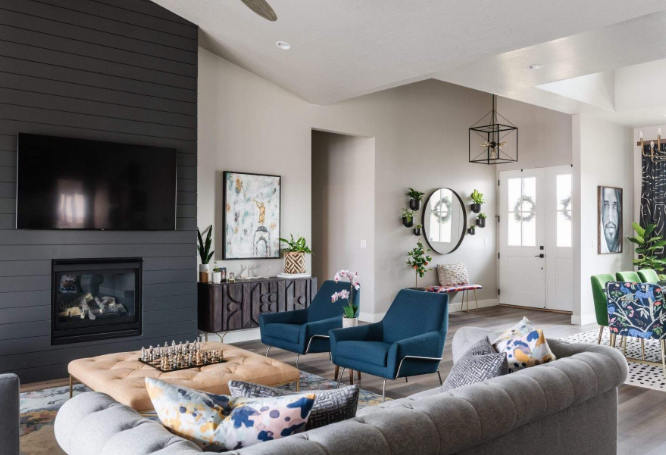
7. Fix the Small Stuff — Details Signal Quality to Buyers
Why Small Repairs Matter More Than You Think
Buyers notice everything. A leaky faucet, a cracked light switch cover, a door that doesn’t close properly — these small issues send a message that the home hasn’t been well maintained. And that makes buyers nervous about what bigger problems might be hiding.
The good news? Fixing small things is usually cheap and fast.
Here’s a checklist of quick fixes that make a big impression:
Walls & Ceilings
- Patch nail holes and small cracks with spackle
- Touch up paint in high-traffic areas
- Fix any water stain marks on ceilings
Doors & Windows
- Oil squeaky hinges
- Replace broken locks or handles
- Ensure all windows open and close smoothly
Fixtures & Hardware
- Replace burnt-out light bulbs
- Swap outdated brass hardware for brushed nickel or matte black
- Tighten loose cabinet handles and drawer pulls
Bathrooms
- Re-caulk around tubs, showers, and sinks if caulk is yellowing or cracked
- Replace a worn toilet seat
- Update an old mirror with a simple modern frame
The ROI of Small Repairs
Here’s a quick look at how small investments in repairs can impact buyer perception and sale price:
| Fix | Estimated Cost | Buyer Impact |
|---|---|---|
| Fresh coat of neutral paint | $500–$2,000 | High — buyers love move-in ready homes |
| New cabinet hardware | $100–$300 | Medium-high — modernizes the kitchen instantly |
| Re-caulking bathrooms | $50–$150 | Medium — signals care and cleanliness |
| New light fixtures | $200–$600 | High — dramatically updates a room |
| Patching walls and touch-up paint | $100–$300 | High — removes visual distractions |
Each fix is a signal. Together, they tell buyers: this home has been loved and looked after.
Bringing It All Together: A Room-by-Room Quick-Reference Guide
| Room | Top Priority | Quick Win |
|---|---|---|
| Living Room | Declutter and float furniture | Add a large mirror |
| Kitchen | Clear countertops | Add fresh flowers |
| Primary Bedroom | Neutral bedding, clear surfaces | Matching bedside lamps |
| Bathrooms | Deep clean, re-caulk | Rolled white towels, new soap dispenser |
| Hallway/Entry | Clear and welcoming | A console table and a plant |
| Home Office | Tidy desk, remove personal items | Good desk lamp |
| Basement/Bonus Room | Clean and bright | Define its purpose with staging |
Frequently Asked Questions About Property Interior Design for Sellers
How much does it cost to stage a home before selling?
Professional staging costs vary widely. A basic consultation might run $150–$600. Full staging with rental furniture can range from $1,500 to $5,000 or more depending on the size of the home and how long it’s listed. However, staged homes typically sell faster and for more money — studies suggest staged homes can sell for 1–10% more than unstaged ones.
Do I need to hire a professional interior designer to sell my home?
Not necessarily. Many of the most effective staging tips — decluttering, painting in neutral colors, rearranging furniture, adding plants — are things you can do yourself. If your budget allows, even a one-time consultation with a professional stager can provide a clear, room-by-room action plan.
What are the most important rooms to focus on when staging?
Focus your energy on the living room, kitchen, and primary bedroom first. These are the spaces buyers pay the most attention to. After that, bathrooms and the home’s entry are also high-impact areas.
Does property interior design really affect the sale price?
Yes — and the data backs it up. According to the Real Estate Staging Association, staged homes spend 73% less time on the market than non-staged homes. And 85% of staged homes sold for 6–25% above asking price in some studies. Good property interior design is one of the highest-ROI investments a seller can make.
Can I stage a home that’s already been moved out of?
Absolutely. In fact, an empty home often needs staging more than an occupied one — empty rooms make it hard for buyers to judge scale and feel. Vacant staging (bringing in rented furniture and accessories) is a common and effective approach.
What colors should I avoid when repainting before a sale?
Avoid very bold or dark colors like deep red, navy, forest green, or bright orange on large walls. Also steer clear of very cold grays — they can feel clinical and unwelcoming. Stick to warm neutrals and soft whites for the broadest buyer appeal.
How do I make a small home feel bigger with interior design?
Use light colors on walls and floors, maximize natural light, choose furniture with legs to create airiness, use mirrors to reflect space, and keep surfaces clear. Avoid heavy drapes, dark rugs in small rooms, and bulky furniture. Minimalist property interior design is particularly effective in smaller spaces.
The Bottom Line: Small Changes, Big Results
Selling a home isn’t just about listing it at the right price. It’s about presenting it in the best possible light — literally and figuratively. Property interior design is the bridge between a buyer walking in and a buyer falling in love.
The 7 tips in this guide don’t require a huge budget or months of renovation work. Most can be done in a weekend with a trip to a hardware store and a storage unit. But their impact on how buyers feel about your home — and how much they’re willing to pay — is significant.
Start with decluttering. Move through neutral paint and lighting. Stage the key rooms. Pay attention to the details. When you do all of this together, you create a home that feels move-in ready, well cared for, and easy to picture as someone’s own.
And in real estate, that feeling is worth a lot.
Ready to transform your property before listing? Start with one room, apply these interior design strategies, and watch how buyers respond differently. The right design choices don’t just attract buyers — they attract the right buyers, faster, and at the price you deserve.