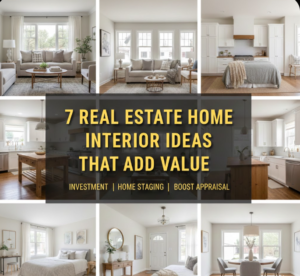
Living small doesn’t mean you have to skimp on style or comfort. The Best Of Real Estate Interior Design: Ideas To Beautify All Your Spaces Even the tiniest of spaces can become a home with good design. Whether you’re a homeowner seeking to enhance your home’s appeal, or a real estate investor readying the space for sale, these design tips will help make each square foot matter.
Small houses come with certain issues and one of them is definitely the limited space. “With the way that housing is right now, everyone seems to want tiny homes,” Kaelin said. As a result, the importance of being able to design them effectively has never been greater. This guide shares seven anything-but-coincidental, wallet-friendly design concepts that work brilliantly in small homes.
Why Good Design Matters In Small Spaces
Before we get to the particulars, let’s explore why thoughtful design is so important for small spaces. Done well, a small space can be more intimate than a sprawling one. A smart design can help you stay clutter-free, and even the illusion of more space will give you a better feeling about every item in your home.
Furthermore, better designs raise property values. Bigger-feeling spaces, with a sense of spaciousness and organization built-in are more appealing to buyers — and tend to fetch higher prices. Thoughtfully designed spaces are not lost on renters, who frequently will pay a premium for them too.
1. Embrace Multi-Functional Furniture
The moral of small-space living is to make furniture work harder. Multi-use items can really make a difference when every square foot counts.
Pieces You Can Convert According To Your Needs
Invest in furniture that adapts as circumstances change. A sofa bed has seating during the day and a comfortable sleeping area at night. Drop-leaf tables go from tiny to extended when company comes and back again when your desire for vacuuming strikes. Ottoman storage units give a place to sit as they hide blankets, books or whatever you need stowed away.
Murphy beds are another great idea. When unused, these wall-mounted beds fold up entirely, providing the floor space for other activities. Modern incarnations include integrated shelving, desks or even sofas connected to the bed frame.
Furniture Selection Guidelines
Consider these when selecting multi-tasking furnishings:
Size matters. Carefully measure your space before purchasing anything. Furniture that’s too large will “drown” the room, and furniture that is too small may feel awkward.
Quality counts. Multi-purpose furniture is used more than single use pieces. Shop: Invest in on-sale, good quality pieces that will stand up to frequent use.
Style consistency. Select items that correspond to your general design taste. It’s not just because furniture is functional that it can’t be beautiful.
2. Master the Secret of Vertical Space
If floor space is scarce, look up. One of the best tiny house interior design ideas for small homes is to maximize your vertical space.
Wall-Mounted Solutions
Add floating shelves in every room of your house. They offer storage without monopolizing floor space and can store decorative items, books or everyday necessities. In kitchens, install shelves up high to keep items you don’t use every day.
Wall cabinets are fantastic in bathrooms and bedrooms. Select units that go from floor to ceiling for added storage. Cabinets with glass fronts tend to make a space feel more open and help keep items tidy (and dust-free).
Creative Vertical Ideas
Think beyond traditional shelving. Put in some hooks to the wall, or behind doors for coats, bags and accessories hang up. Can be used in the kitchen, pantry, office or craft room; anywhere you want attractive storage. Tall, slender bookcases can help to tuck into corners and other areas without much space but in return provide a lot of storage.
Here’s how the vertical storage options stack up:
Storage Type | Ideal For | Space Economy | Installation Difficulty
- Floating Shelves – Living rooms, bedrooms | High | Easy
- Floor-to-Ceiling Cabinets – Kitchens, bathrooms | Very High | Moderate
- Pegboards – Offices, kitchens | High | Easy
- Wall Hooks – Entryways, bedrooms | Medium | Very Easy
- Tall Bookcases – Living rooms, offices | High | Easy
3. Employ Bright Colors and Clever Lighting
Room size is all about perception—color and lighting play a big part. It’s where real estate interior design ideas start to get exciting.
The Power of Light Colors
Lighter colors bounce more light around, so rooms feel bigger and airier. Paint the walls in soft whites, creamy or pale grays. These neutral shades create a soothing background and tend to open up space.
But that doesn’t mean your home needs to be a bore. Add character with accent walls and colorful art or accessories. It’s all about keeping the majority of surfaces light and adding pops of color to strategic places.
Lighting Strategies for Small Spaces
You and natural light are besties. Leave windows unblocked or hang sheer curtains that will let light in but offer privacy. Mirrored opposite windows will add natural light to the room.
If you have artificial light, use multiple sources instead of a single overhead light. Table lamps, floor lamps and wall sconces provide layers of light to help spaces feel warmer and more inviting. Task lighting gets tucked under the cabinets in kitchens, making the space appear larger.
For more inspiration on creating beautiful and functional interiors, explore expert design tips and trends.
4. Make Zones Thanks to the Furniture Layouts
Open floor plans are popular in small homes, but poorly organized they can feel chaotic. Zoning, which defines function in space, is a strategy for organizing smaller homes.
Defining Areas Without Walls
Use furniture placement to divide the space into separate sections for different activities. Use a sofa to separate living and dining areas. You could put a bookshelf perpendicular to part of a wall, dividing an office from your bedroom.
Rugs are powerful zone-creating tools. Here, a rug under the dining table forms the eating area, while another in the living area delineates relaxation. Opt for rugs in a color that goes with the flow of the room.
Flow and Function
Leave pathways between zones when you are designing them. Ideally, people should be able to move through your home without the stress of an obstacle course. Try for at least 30 inches of walking space in your main pathways.
Design furniture with traffic in mind. Don’t obstruct natural pathways or make folks squeeze by furniture to access important spaces like bathrooms and kitchens.
5. Incorporate Mirrors and Reflective Surfaces
Mirrors are the alchemists of small-space design. They are some of the best real estate interior design ideas as they deceive the eye into thinking that there is depth and space.
Strategic Mirror Placement
Add large mirrors on walls facing windows to reflect natural light and outdoor views. This has the effect of making rooms, and windows, look twice as large.
In tiny hallways fit mirrors in one side and give the illusion of space. Mirrored closet doors are very practical and also can make a bedroom feel larger.
Beyond Traditional Mirrors
Think creatively about reflective surfaces. Glass tabletops, glossy tile backsplashes and metallic accents all shimmer with the glow of reflected light while adding visual interest. Lacquered furniture, chrome fixtures and glass cabinet doors add to the lightened-up look.
Avoid overusing mirrors, though. Too many shiny surfaces can leave a space feeling cold or disorienting. Balance is key.
6. Hide the Mess with Intelligent Storage Solutions
Clutter is the devil of tiny homes. You cannot outsmart the chaos of too much stuff. It’s important to have strong organizing systems in place.
The One-In, One-Out Rule
Try out a definite rule: when you get something new, something else has to go. This eliminates clutter and keeps items handy.
Regularly assess your possessions. If you haven’t used something in a year, consider donating or selling it. Be honest about what you really need, as opposed to what you’re hanging on to “just in case.”
Organization Solutions That Work
Invest in organization that is tailored to your life. Drawer dividers help keep clothing and utensils in order. The alternative would be to have a closet organizer, which uses vertical space and makes everything accessible. Under-bed storage bins conceal, oh, just seasonal stuff or extra linens.
Label everything. Labeling the storage bins makes it easy to find what you need. They also help to make sure you keep it organized long-term.
Organization Challenge | Solution | Cost (Approx.) | Affordability
- Overflowing closets – Closet organization systems | $50-$300 | Very Affordable
- Kitchen clutter – Pull-out drawer organizers | $30-$150 | Affordable
- Bathroom chaos – Over-toilet storage units | $40-$200 | Affordable
- Bedroom disorder – Under-bed storage containers | $20-$100 | Modest
- Entryway mess – Wall-mounted hooks and shelves | $25-$100 | Affordable
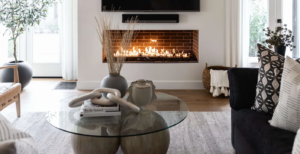
7. Opt for Scaled-Appropriate Furniture and Decor
The last tactic is finding furniture and decorative accents that fit your space well. This one’s apparent, but still among the most frequent errors in small-home design.
Sizing Furniture Correctly
Heavy furniture swamps small rooms and makes them seem even smaller. On the flip side, furniture that’s too little seems lost and fails to serve a purpose. Locate the Goldilocks zone — pieces that are “just right” for your space.
Apartment furniture is specially designed to fit into a compact space. These bits still have their functions but are smaller in size. Seek out sofas that measure under 80 inches, dining tables that accommodate four in between 36 and 48 inches, and beds with integrated storage.
Visual Weight Matters
Factor in the visual weight of furniture; not just its actual size. Heavy, dark pieces can make a room feel encumbered and small; relatively light furniture with legs that you can see underneath it leads to an airy feel. Furniture that is transparent, like an acrylic chair or glass table, appears to melt away and open space.
Opt for furniture with legs instead of pieces that sit on the floor. This opens up sight lines under furniture, which helps make rooms feel larger.
Decorative Restraint
In the world of small space decor, often less is so much more. A few curated items in a room speak more forcefully than haphazard stacks of clutter. Opt for oversized works instead of an array of smaller pieces that can create a scattered look.
Keep surfaces relatively clear. Instead of filling every table and shelf with knickknacks, placing a few things that matter creates visual breathing room, and the place is also easier to clean.
Bringing These Real Estate Interior Design Ideas to Life
These seven tricks are most effective when they’re used in combination, thoughtfully. Begin with a clear and organized space. Now throw in multi-purpose furniture, vertical storage and soft lighting. Utilize color, mirror and intelligent furniture placement to give the illusion of space.
Just don’t forget that achieving those real estate interior design ideas takes time, it is not an overnight revolution. Adjust in increments, and see what works best with your lifestyle and room. Of course, every household is different, so shape these tips around your own situation and tastes.
One of the joys of small-space design is that sometimes even small tweaks can make a big difference. You don’t need a huge budget or professional assistance to help your small home feel spacious, organized and downright stunning.
Learn more about maximizing small spaces from Apartment Therapy’s expert design tips.
Frequently Asked Questions
What are the best colors to make small rooms look bigger?
Light neutrals are good choices for giving the illusion of space. Softer whites, light tans, pale grays and light blues reflect more light and make walls seem to recede. Focus on these colors for walls and large pieces of furniture, then add personality through accessories in bold hues and artwork.
How do you find the correct size furniture for a small home?
Be really certain of your space before you shop. Seek out furniture designed for tight spaces, such as apartment-sized or small-scale pieces specifically made for compact living. As a rule of thumb, keep at least 30 inches free for walking paths, and be sure furniture can’t block doors or windows. Opt for something with exposed legs to add visual space underneath.
Are open shelving units good for small spaces?
Open shelving can be a good fit for small spaces, as it does not create visual barriers the way closed cabinets do. But it does require the discipline of organization, because everything’s on display. And it all looks pretty neat if you use matching storage containers or baskets on the open shelves.
What is the No. 1 mistake people make when decorating a small space?
The biggest mistake people make is putting in furniture that’s too big for the room. Large couches, beds or dining tables can dwarf a small room and seem to shrink the space. The second: Having too much stuff — cluttering up any space also makes it feel smaller.
How can I set up a home office in my small apartment?
Scout out an unused corner, or even the little nook underneath a built-in window seat, where you can slip in a small desk. Wall-mounted fold-down desks are a genius solution for spaces where floor is tight. Partition your work area from living areas with a room divider or bookshelf. Opt for a desk with storage to make the most of function over form.
Can I use wallpaper in a small room?
Yes, but choose patterns carefully. In fact, large-scale patterns can open up an area and make it feel more expansive — the opposite of claustrophobic — while busy small ones tend to suffocate a space. Vertical stripes can visually raise the ceiling, while light-color wallpaper provides visual interest without darkening the room. Think about using wallpaper on a single accent wall.
Final Thoughts
Tiny homes present a number of opportunities to get, well, creative and think outside the box. All of these real estate interior design tips will help you transform your home interiors into spaces that are comfortable, useable and with plenty of room too. The goal is to work with your space, not against it.
Look for multi-purpose furniture to serve many purposes. Get inventive with storage that reaches to the top of the room. Opt for light colors and good lighting to visually open up rooms. At the same time, divide up your space into different zones for different purposes. Use mirrors and reflective surfaces to reflect light and space. Don’t let clutter get the best of you with savvy systems that can help corral anything and everything. And, of course, select properly proportioned furniture and decor for a space that works the best it can.
These aren’t just tips to make spaces better-looking — they’re ideas for making homes work better related to the people who live there. Whether you’re getting your property ready for sale, renting out your first apartment, or just looking to love the small home that you already own a little more, here are six ideas from small-space design pros to help get you there.
Begin with one room or tactic and work from there. Little changes can add up to significant transformations. There’s so much potential in your small abode — these design ideas will help you make the most of it.