Though it’s true that the key to selling a home is said to be “location, location and location,” in a fast sale there are generally some other factors as well. Clever real estate interior design ideas will help your home stand out on the market and get you an excellent return. Priority No. 1 when buyers walk through a door or scroll through online listings: those initial few impressions mean everything.
Today’s buyers, however, are seeking homes that would fall in the move-in ready category or be stylish and functional. They seek rooms that inspire an emotional connection and yet serve functional roles. The right aesthetic decisions achieve that balance, lending rooms a sense of scale and light.
Here we dive into ten of the best, most tried and tested real estate interior design ideas that sell properties quicker and often for more money! These powerful tips can make all the difference whether you’re a home seller who is about to list their property or if you are an agent staging homes -or- an investor flipping houses, in today’s market.
The Important Link Between Interior Design and Home Sales
Good design and fast sales are not just aesthetically related. Professionally staged homes are on average sold 73% quicker than unstaged homes, according to statistics. What’s more, properly-designed spaces can lift the perceived value of a home by 6-10%.
Buyers buy with their hearts, then explain the decision logically. When they walk into a beautiful space, they start to imagine their lives there. The emotional bond often turns into offers.
Design also looks great in photographs, which counts for a whole lot in our digital-first real estate market today. Most buyers have viewed listings online before making the trek. Interior photographs that pop reel in scrollers and generate showing requests.
Neutral Palettes For Everyone
Neutral doesn’t mean boring. Contemporary neutral palettes include warm whites and soft grays, beiges or taupes to develop the background for a more sophisticated look that encourages buyers to envision their own style.
These colors open up spaces and brighten rooms. They also look great in photographs, which help online listings pop. White walls bounce off natural light, and even the smallest spaces feel airy and open.
How to implement this idea:
- Paint the walls with colors such as “Agreeable Gray” or “Swiss Coffee”
- Choose white or cream for trim and ceilings
- Add wooden accents or textured fabric to bring in some warmth
- Add pops of color with temporary trimmings
What so many neutrals (even appropriately named ones) have going for them is that they’re neutral. So, though bright red walls might turn off one buyer and attract another, pale grays and whites are almost never offensive. It has a broad appeal, so more potential buyers can envision themselves in the space.
Open Floor Plans and Planning for Space
Open floor plans are still the reigning trend in modern real estate; they flow and use space to its maximum capacity. Although you may not be able to knock down walls, mixing up your furniture placement can make an otherwise cramped feel seem more open.
Get rid of the furniture that clutters rooms. Each piece should have a reason to exist. Fewer pieces of furniture can, in fact, make rooms appear larger and more luxuriously appointed.
Space planning tips:
- Create clear pathways between rooms
- Use area rugs to define separate zones in open space
- Move furniture out from walls to add depth
- Be sure to leave at least a 3 foot clearance for walking around furniture
Open floor plans also allow for better entertaining and family time. Today’s buyers appreciate homes in which the kitchen is open to living areas, enabling hosts to cook while still socializing with guests.
Natural Light Maximization Techniques
Natural light is among the top things buyers look for. Homes awash in sunlight feel healthier, more spacious and more valuable.
Begin by cleaning all your windows inside and out. It’s amazing what a difference sparkling clean glass makes in how bright a room feels. Take down heavy drapes and replace them with lightweight curtains or basic roller blinds which can be opened fully.
Ways to boost natural light:
- If you want to introduce light into a dark room, place mirrors opposite windows
- Opt for shiny or semi-gloss paint finishes which reflect light
- Declutter the sills of windows
- Trim bushes or trees covering windows outside
- Replace solid doors with ones that feature glass panels, as appropriate
Think about the color of light at various times of day. Rooms facing north receive more even light, but it is cooler. South-facing spaces receive plenty of warm, direct sunlight. Knowing these patterns will also help you stage rooms so that they are most appealing when a showing occurs.
Kitchen Upgrades That Won’t Break the Bank
Kitchens sell homes. If the kitchen appears updated and functional, buyers will ignore other deficiencies. The good news is you don’t need a full renovation to get the look.
Simple updates create dramatic transformations. New cabinet hardware, a fresh backsplash and modern light fixtures can all give the kitchen a whole new look at a fraction of renovation prices.
Budget-friendly kitchen upgrades:
| Upgrade | Est. Cost | Impact |
|---|---|---|
| Paint cabinets white or gray | $200-500 | High |
| New cabinet hardware | $100-300 | Medium |
| Peel-and-stick backsplash | $150-400 | High |
| Modern light fixtures | $200-500 | Medium |
| New faucet | $150-$400 | Medium |
| Stainless appliances (if needed) | $2,000-4,000 | High |
Kitchens tend to appear larger and cleaner with white or light-colored cabinets. Stainless-steel appliances are a sign that the quality and design is contemporary. Even when appliances are in perfect working order, old-fashioned colors like almond or black can make an entire kitchen seem outdated.
Spa-Like Bathroom Transformations
Sure, bathrooms are small, but they play a big role in buying decisions. Today’s buyers want bathrooms that feel like personal retreats, not just utilitarian boxes.
You don’t need marble everywhere to create a spa atmosphere. Focus on cleanliness, good lighting, and a handful of luxurious touches that hint at relaxation and self-care.
Spa bathroom elements:
- Fluffy white towels neatly displayed
- Contemporary fittings in coordinated finishes (brushed nickel or matte black)
- Large mirrors to reflect light
- Frameless glass shower doors
- Gentle fragrances such as eucalyptus or lavender
- Humidity-loving live plants
If your budget allows, replace old shower curtains with new ones or install glass doors. Re-grout tile if grout lines appear dingy. These little touches indicate that the house has been well taken care of.
Extra touch: Put a small stool or bench in the shower. This easy addition communicates luxury and offers utility that customers value.
Clever Storage Solutions That Prove Your Organization Game Is on Point
Buyers want to know that a home has plenty of storage. Some smart real estate interior design concepts are focused on storage without making a space feel overfilled.
During showings, closets should be no more than two-thirds full. This demonstrates abundant space. Remove off-season and excessive clothing.
Storage display strategies:
- Get closet organizers with clear divisions
- For a store-like feel, use uniform hangers
- Install shelves in basement and garage
- Include furniture with hidden storage
- Organize and display pantries and linen closets
Storage features make the space seem like more than it is. Floating shelves, window-seats with storage, and custom closet systems indicate the home was thoughtfully designed.
And keep in mind, buyers will open closets and cabinets. Each and every storage area needs to be relatively clean and look roomy, so buyers feel like this home has plenty of space for their stuff.
Flooring Options To Increase The Value Of Your Home
Flooring plays a large role in how buyers see the value of a home. The right floors can transform an entire home, while tired or outdated flooring can make a property hard to sell.
Hardwood floors are the gold standard in real estate. They’re long wearing, classic and they suit most buyers. If you can’t redo the hardwood, luxury vinyl plank flooring offers an attractive, cost-effective option that is very hard to distinguish from the real thing.
Flooring comparison:
| Type of Flooring | Buyer Appeal | Durability | Cost |
|---|---|---|---|
| Hardwood | Very High | Excellent | $$$$ |
| Luxury vinyl plank | High | Very Good | $$ |
| Engineering flooring | High | Good | $$$ |
| Tile (kitchen/bath) | High | Excellent | $$-$$$ |
| Carpet (bedrooms only) | Medium | Fair | $ |
If you can, stay away from carpet in main living spaces. Buyers are also thinking about allergens, stains and the expense of having to replace it a few years down the road. If carpet is a must, then have it professionally cleaned and make sure that it’s as neutral as possible.
Consistency matters too. By extending the same flooring throughout main living spaces, there’s a direct visual flow and space feels visually larger.
Statement Lighting as Affordable Luxury
Few factors have as much power to completely alter a space as lighting. Contemporary light fittings indicate that a home is fashionable and up to date.
Swap builder-grade fixtures for statement pieces in pivotal spaces. The entry and dining room — the kitchen island, too — deserve statement illumination for a memorable first impression.
Lighting strategy by room:
- Foyer: Make a statement with chandelier or contemporary pendant
- Kitchen: Pendants above island; recessed for tasks
- Dining room: Chandelier is centered over the table area
- Living room: Floor and table lamps, along with overhead options
- Bedrooms: Soft bedside lighting in addition to overhead light source
- Bathrooms: Bright vanity, overhead and/or decorative lighting provided in every bathroom
Tiered lighting sets the stage and serves a purpose. Mix overhead lighting with task and accent lighting for best results.
Dimmer switches allow for flexibility and luxury at a modest cost. You can adjust the lighting to suit changing times of day, and set just the right mood at showings.
Outdoor Living Areas That Add Square Footage
Buyers are placing a premium on outdoor living spaces that seamlessly extend the interior of a home. Attractive patios, decks and backyards can be a big selling point and justify the higher asking prices.
And these real-life interior design ideas apply to the exterior of your home as well. Design separate outdoor “rooms” that impart a sense of purpose, whether for dining, relaxing or entertaining.
Outdoor staging essentials:
- Clean, modern outdoor furniture
- Weather-resistant rugs to define spaces
- Potted plants and flowers for pops of color
- Outdoor lighting for evening ambiance
- Clean grill or fire pit as a focal point
- Cushions and throws for comfort
Even modest balconies or patios can benefit from staging. A bistro set with some colorful planting makes for an inviting scene that can help buyers imagine morning coffee or evening relaxation.
Keep lawns mowed, bushes trimmed and fresh mulch in garden beds. Curb appeal continues beyond the front yard. Buyers are looking to see that the outdoor space has been cared for and is ready to be used.
Technology Integration for Modern Buyers
Today’s buyers want smart home features. You don’t have to automate all the things, but targeted tech upgrades are catnip for technology-loving buyers.
Smart thermostats, video doorbells and keyless entry are all relatively inexpensive and communicate a modern, forward-looking residence.
Popular smart home features:
- Smart thermostat (Nest or Ecobee)
- Video doorbell (Ring or similar)
- Smart locks for keyless entry
- Wi-Fi-enabled garage door opener
- Smart lighting controls
- Security camera system
- Whole-home sound system (time and budget permitting)
They photograph well in listings and give you something tangible to talk about during showings. They also hint at energy efficiency, which seems to resonate with environmentally minded consumers.
Ensure all smart features are set up correctly and shown at showings. The more easily understandable and accessible these systems, the greater their value.
How These Design Ideas Fit Together
The best real estate interior design ideas do not exist alone. They team up to produce coherent, attractive spaces that are as stylish as they are livable.
Begin by selecting your most impactful items: paint, flooring and lighting. These baseline factors lay the foundation for all else. And then layer in how to place furniture, storage solutions and finishing touches.
Consider the buyer’s journey through the house. They should have a natural rhythm to them, one lovely room leading onto another with the next room taking whatever you saw in the first and making it slightly more delightful.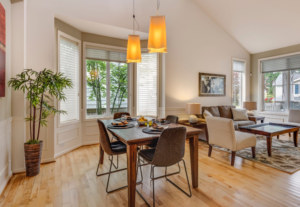
Budget Planning for Maximum Impact
Not all improvements fit in every home. Prioritize: Think about your home, your market and what you can afford before setting priorities.
Investment priority guide:
- Most Important (best ROI): Paint, spa-bath experience, decluttering, minor repairs
- High impact: New light fixtures, small kitchen updates, refresh the bathroom
- Upgrades: Flooring, outdoor staging, smart home features
- Good-to-have: Custom built-ins, gut renovations, high-end fixtures
Check with your real estate agent on what improvements are sensible in your local market. What sells fast in a city condo is not the same as what moves quickly in suburban family homes.
Keep a record of your spending and estimated return. As a general rule, you get the highest return on staging and improvements if you spend 1-3% of your home value without over improving for the neighborhood.
Frequently Asked Questions
Q: How much should I spend updating interior design before selling?
Most experts also recommend you invest somewhere between 1-3% of the sale price of your home in staging and updates. A $300,000 house may not require more than $3,000-9,000 in strategic upgrades. Start with high-impact, low-cost changes.
Q: Do I bring in a professional stager or do it myself?
This all depends on how much you want to spend and what you are capable of doing. Professional stagers have experience along with furniture rental resources and can completely change a room. Yet even if money is tight there’s no need to worry as many real estate interior design concepts can be simple and applied by the homeowner with just a bit of online support and some rented furniture on site.
Q: What is the No. 1 design change for selling?
Paint is always the change that packs the most punch for the least cash. Neutral fresh paint makes everything look cleaner, fresher and more valuable. It forms the basis of all other design improvements.
Q: How far ahead should I begin planning my home’s interior design?
Begin at least 4-6 weeks prior to listing. This allows you time to get updates finished, deep clean, declutter and correctly stage without feeling rushed. Other enhancements, such as painting, may require even more lead time.
Q: Do these design concepts function at all price points?
Yes, but the execution varies. Luxury homes – well, they might use high-end materials while starter home projects are all about basic clean improvements. We all know neutral is best, good lighting is key and that tidy spaces generally work.
Q: Do I need to clear out everything if staging my home?
Take down most personal items, such as family photographs, religious décor and collectible action figures or dolls. But when some neutral decor is left behind, the space feels welcoming. The aim is to depersonalize without being left with a cold emptiness.
Closing Thoughts on Selling Houses Through Design
The perfect real estate interior design ideas are emotional triggers that translate directly into offers. Today’s buyers are looking for homes that appear move-in ready, with style and a fresh sense of how well they’re maintained. Every design decision you make either feeds into that or takes away from it.
Keep in mind that you’re not designing for your own taste. What you’re doing is creating broad appeal that helps the most people picture themselves living in this space. Good neutral palettes, lighting, open layouts and occasional updates pull this off every time.
Begin with high-impact, budget-friendly improvements such as paint and decluttering. Then layer in customizations which work for your budget and market. Even fairly small investments in good design go a very long way toward reducing days on market and upping final sale prices.
Homes that photograph well as well as present attractively in person move more quickly within the market. With these ten modern design principles, your spaces will be presented in ways that help you rise above the online noise and shine at showings, resulting in faster sales than the competition.
Every home has potential. The right design choices bring out that potential, elevating ordinary properties into must-see listings that buyers can’t resist. Whether you adopt all ten tips or only a couple that apply to your home, these are 10 tested strategies for making homes sell fast in today’s market.