Interior Design for Real Estate: 8 Trends That Really Do Sell Houses
It is no longer just about location when you sell a house. Today’s buyers are looking for spaces that feel modern, comfortable and move-in ready. That’s where real estate interior design comes into play.
The Value of Staging
Good staging and design can increase market value between 5- to 15%, recent studies on the Seattle market have found. Finally, well-staged homes sell faster — and sometimes in half the time that unstaged properties do. Whether you are a real estate agent, property investor or homeowner about to sell your creation, it is important to know what is design based on current design trends.
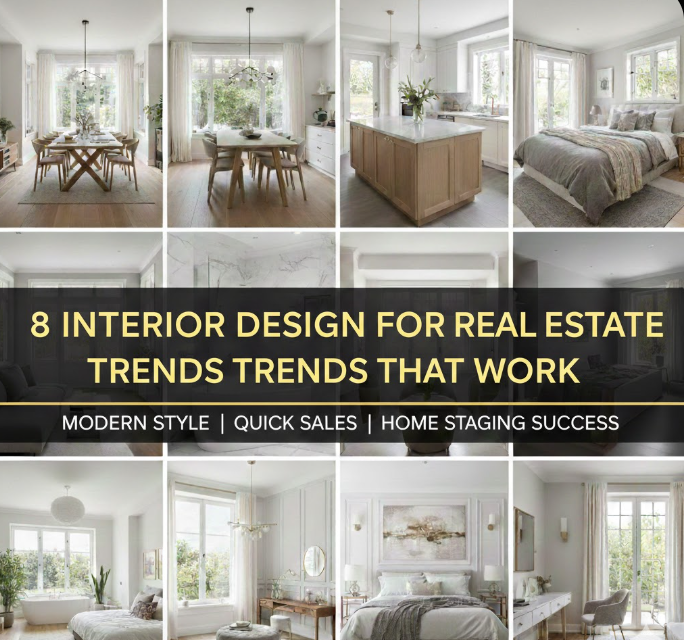
In this article, we’ll cover 8 robust interior design for real estate trends that never fail to impress buyers and seal the deal. These are not passing fads – they are proven tactics that work in the new market.
The Importance of Interior Design in Real Estate
First impressions happen within seconds. When prospective buyers open a door or swipe through online listings, they immediately make snap judgments about a property’s value.
Interior design transforms empty shells into beautiful homes. It allows prospective buyers to imagine their future life there. It also brings out the best in a property while minimizing flaws.
The numbers speak clearly. Staged homes get 73 percent more offers than unstaged ones. Buyers also will pay 1-5% more for a well-designed property. In pricey markets, that percentage amounts to a big boost in profit.
Even more important than financial gains is the fact that good design decreases your time on market. Homes that are professionally staged, meanwhile, tend to close 87% faster. This speed is significant because sellers who let a property languish often develop a stigma around them.
Trend 1: Neutral, Warm Color Palettes
The era of the stark white wall is over, everywhere. Modern interior design for real estate calls for warm neutrals that invite people in.
Why Warm Neutrals Work
Neutrals: Beige, greige (gray-beige), warm taupe and soft cream work for the most people. These colors make rooms seem larger and more light-filled. In addition, they offer ideal canvases to help buyers envision how their own furniture and style might look.
Warm undertones help make emotional connections. Cool grays can make a space feel sterile or uninviting. On the flip side, warm neutrals with hints of yellow or brown can feel cozy and refined.
Application Tips
Paint in main living areas can be colors such as Accessible Beige, Agreeable Gray or Swiss Coffee. These tones also photograph well for online listings. They even pair well with many furniture types and finishes.
For an accent wall, try one shade darker within the same color family. This is just such a good way to add depth without overcrowding areas. Do not go with bold colors like red, purple or dark blue — they’re too personal and can be off-putting for buyers.
Ceilings must be kept white, or off-white. It keeps the brightness and makes rooms appear taller. However, the white of course should have the same undertone as the wall colors for cohesive flow.
Trend 2: Open-Concept Living Spaces
Today’s buyers want open, flowing layouts. Walls between kitchens, dining rooms and living spaces keep vanishing in popular designs.
The Draw of Open Floor Plans
Open concepts are what make homes feel much bigger. They also allow families to interact and entertain more easily. Parents can prepare dinner while keeping an eye on kids playing. The hosts can cook while entertaining their guests.
Further, open spaces can mean more natural light throughout the space. Light from the windows travels further without any walls to block it. This light uplifts the mood and saves the electricity bill.
Creating Openness
If you can’t do major updates, visual space opens up with design. Have uniform flooring in adjacent rooms. This repetition tricks the eye into seeing one big space instead of a cluster of rooms.
Get rid of extra furniture items that obstruct view. Keep pathways wide and clear. Mirrors placed strategically in a room can also help visually open up the space and add more light.
For a real reno zing, the removal of non-load-bearing walls provides spectacular results. But, always speak to structural engineers first before knocking things down. Some walls that seem decorative are in fact supporting critical structural features.
Trend 3: Biophilic Design Elements
From trendy to essential as an option for real estate, bringing the outdoors indoors. Biophilic design reaches out and connects residents with natural elements that can increase their well-being—and your property’s charm appeal, as well.
Natural Materials and Textures
Wood is an essential building block of effective real-estate design. Hardwood floors, exposed beams and wood accent walls add warmth and character. These components also indicate quality construction to purchasers.
The stone components make for luxury and durability. Think stone fireplace surrounds, kitchen backsplashes and bathroom vanity tops. Obviously, natural stone is more enduring in terms of fashion than synthetic.
Incorporate plants throughout the home. Large potted trees in corners, hanging plants in kitchens and small succulents on shelves all contribute to the biophilic effect. Live plants not only help clean the air, they can also make any space feel vibrant and well-maintained.
Natural Light Maximization
Windows are the best real estate in town. Never obstruct them with heavy curtains or furniture. Instead, opt for sheer curtains or light-filtering shades that let in natural sunlight while still offering privacy.
Clean windows thoroughly before showings. Dirty windows also block out natural light, and just look bad. Trim exterior plants that block natural window light.
If you have money in your budget, think about adding skylights to dark spaces. They are especially useful in bathrooms, hallways and kitchens without outside walls.
Trend 4: Multi-Functional Spaces
Today’s homes need flexibility. Purchasers are looking for rooms that can grow and change with evolving lifestyles.
Home Office Integration
The work-from-home revolution has forever changed housing demands. Homes with pre-specified offices demand higher payments. But smart design can even wrangle this requirement into small homes.
Transform extra bedrooms into show-off offices. Quality desk, ergonomic chair and proper lighting. Install bookshelves and other organizational systems to show you have room for storage.
For homes that lack extra rooms, create zones of definition for work. A desk nook in the primary bedroom, a converted closet office or a designated corner of the living room all give buyers an idea of what it would be like to work from home.
Flexible Room Designs
Be hesitant to list rooms by single purpose. Instead of “nursery,” set up a room as a “bedroom/office” or “bedroom/exercise room.” It’s this adaptability that is appealing to different types of buyer.
Murphy beds allow bedrooms to double as other kinds of space. Fold them up during showings to showcase the room’s flexibility. Fold-down desks are also another way to make the most of a small space without making a permanent commitment.
No basement should be just one thing (ie: a finished one). Design separate spaces for entertainment, workouts and storage. This method demonstrates to buyers the full potential of the space.
Trend 5: Statement Lighting Fixtures
Lighting is about more than being able to see — it’s also about setting a mood and creating focal points. Upgraded light fixtures are fairly inexpensive and make a big impact on interior design for real estate.
Types of Statement Lighting
Dining-room and entryway chandeliers produce perceived home value quickly. Opt for fixtures that fit the room to avoid an out-of-scale feeling — big pieces in small spaces make rooms feel even smaller, while tiny fixtures in grand spaces seem stingy.
Hanging lights for over the kitchen islands have become a must in the modern homes. Three matching pendants for symmetry and visual appeal. Designed as task lighting for prep work here.
New ceiling fans with built-in lights solve two problems. They make your home more energy efficient, offer light and add style. Opt for clean lines instead of dated brass or ornate models.
Strategic Placement
Layer lighting throughout each room. Mix ambient (overhead), task (desk lamps, under-cabinet) and accent (picture lights, uplights) sources. This variety can be used to imagine everything from uses to moods.
Dimmers contribute both flexibility and the perception of luxury. Put them in living rooms, dining rooms and master bedrooms. Buyers like that you can tailor the lighting to different moods.
Get rid of all the old fixtures before you list. Replace anything with brass, bronze or fussy crystal. Contemporary brushed nickel, matte black or chrome finishes look current and crisp.
Trend 6: Spa-Inspired Bathrooms
Bathrooms have come a long way from being merely functional places to personal havens. National home buyers desire at least one spa-like feature, and those features are playing an increasing role in property values.
Key Spa Elements
Buyers lust after walk-in showers with frameless glass doors. They feel luxe, help bathrooms look larger. Install rainfall showerheads and handheld sprayers for hotel-like pampering.
Freestanding tubs serve as dramatic focal points in primary bathrooms. Their sculptural aspect resonates with buyers on an emotional level, even if they seldom take baths. Whenever possible, place them near windows to have a better atmosphere.
Double vanities eliminate morning and evening tensions in shared bathrooms. They are also signs of space and planning for modern times. If you have a large bathroom, add a separate makeup vanity for extra luxury.
Material Choices
White and light gray tiles are still your best bet for wide appeal. That said switch it up through texture or pattern variation. Subway tiles, hexagon patterns or even large-format tiles are all great.
No trendy colored grout that will date quickly. Keep it simple with white, light gray or matching grout colors. These choices maintain timeless appeal.
Luxury on a budget: Heating the floor. That’s especially true in cooler climes. Highlight this feature loudly in listings — it’s an excellent selling point.
Finishing Touches
Give thick white towels, bath mats and neutral accessories for showings. These are things that help the individuals who buy them visualize the spa. Candles, diffusers and other scents for the senses.
Utilize space with floating shelves, medicine cabinets and under-sink storage. Clutter kills the spa vibe in an instant. Everything should have designated places.
Trend 7: The Integration of Smart Home Technology
Home buyers today look for homes with technology features. Embedding smart elements increases real estate value and, therefore, prices.
Essential Smart Features
Smart thermostats both help in saving energy, and provide easy everyday use. They also exhibit the home’s contemporary systems. Buyers are well-acquainted with the Nest and Ecobee offerings.
Smart doorbells with camera have taken security to the next level. They are especially popular with couples and families, as well as single buyers. It’s easy to install and the cost is just acceptable.
Smart lighting also lets you control it with your phone or a voice command. Although full-house systems can be costly, even simple smart bulbs in vital spots have connectivity.
Subtle Integration
Spaces should be developed, not overpowered by technology. Tuck away routers, cords and chargers. Designated charging drawers or stations in kitchens or home offices.
There are built-in speakers with the hidden system, so you can enjoy it without any visible equipment as well. They are especially useful in bathrooms, kitchens and outdoor living spaces. Systems like those of Sonos interface discretely with smart home systems.
Mention smart features in listing descriptions — but not too prominently. Younger buyers assume these aspects, but older ones may be overwhelmed. Maintain the balance by adding features like you mean it.
Trend 8: Environmentally Friendly and Sustainable Design
Green marketing transcends demographic categories. Green characteristics both resonate with values and deliver practical advantages.
Energy Efficiency
A thorough spread of LED lighting everywhere in the house cuts costs and attracts environmentally minded buyers. Change out all the bulbs before you list — it’s cheap and super effective.
Low energy windows can save you a bundle on utility costs. If replacing the windows isn’t an option, disclose window age and efficiency in disclosures. New windows are very strong reason for an increase in asking price.
As well, smart thermostats and programmable devices show environmental responsibility. They also offer documentation of energy savings, which many cost-conscious buyers find appealing.
Sustainable Materials
Bamboo flooring is incredibly hard-wearing and suitable for floors as well as many other applications. Bamboo grows much faster than hardwood, making it the more environmentally friendly option. Contemporary bamboo items are available that resemble the look and feel of hardwood but are cheaper.
Recycled glass has a wow factor which upgrades your kitchen with used resources and products. They are conversation pieces that set properties apart from competitors.
Low-VOC paints and finishes provide a healthier environment. Mention that to any prospective buyers you meet who have allergies or chemical sensitivities — it’s a real selling point.
Water Conservation
Showerheads and other low-flow fixtures in bathrooms and kitchens save water as well, without the loss of performance. The weak pressure issues of old are a thing of the past in modern designs.
Tankless hot water heaters never run out of hot water while saving energy. They are also more space-saving than conventional tank heaters.
Drought-resistant landscaping cuts outdoor water demands. It also reduces maintenance — a great selling point for busy buyers. Natives aren’t going to require a lot of maintenance.
Developing Your Interior Design for Real Estate Strategy
These trends will need to be strategized. You don’t need all of the trends for your property — any success you have is likely to come from picking and choosing the elements that best match your market and the type of space you are trying to lease.
Budget Allocation
Spend money on high-impact areas that prospective buyers notice first. Kitchens and bathrooms have the highest rate of return. The entrance could be some changes to make in a section where first impressions are key.
Whether you are decorating entire rooms or just covering small items, paint is the most bang for your buck. Neutral, fresh paint will quickly update any space. Allocate 15-20% of entire staging budget here.
Low-cost light makeovers bring big change with minimal cost. Plan for fixture updates and bulb replacement with 10-15% of the budget.
Market Research
Research recent sales in your neighborhood. What kinds of design trends do you notice in homes that sold? What does seem to be the common denominator for properties staying on market?
You should also go to open houses as a buyer would. Pay attention to which staging devices get an emotional response. Take note of how other properties photograph for online listings.
Talk to real estate agents in the area about what buyers are liking. They know market intricacies and will guide feature priorities. Some neighborhoods lean to traditional styles, while others clamor for contemporary. For more interior design inspiration and ideas, explore resources that showcase current trends and timeless strategies.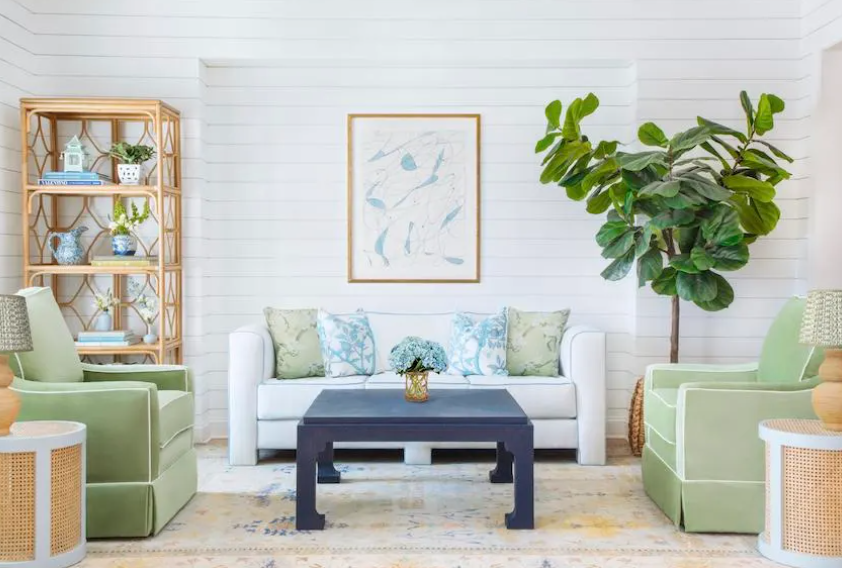
Professional Help
For higher value properties, you might want to consider professional stagers. The experts, they say, generally earn their fees with faster sales and better prices. Staging typically costs between 1-3% of a listing price, however you will see a return that is typically up to 5-15% in increased value.
A real estate-savvy interior designer knows the psychology behind a buyer. They know which investments return and which do not. Their neutrality can also prevent decision making based on personal taste.
Professional photos are a necessity for online listings. The vast majority of buyers kick off their search online, and photos are crucial. Bright, staged shots will attract way more showings.
Common Mistakes to Avoid
With the best of intentions, sellers and agents still sometimes make design mistakes that can cost them money when it comes time to sell.
Over-Personalization
Take out family photos, personal collections and anything really unique. Buyers must be able to imagine themselves there. Your remembrances work as obstructions to a reach of emotion.
Vibrant paint, themed rooms and unique wallpaper may turn off buyers. Your love might be repellent to another. Neutral options will generally always have a wider following.
Under-Staging
Bare rooms feel cooler and look smaller than furnished rooms. Sparse furnishings indicate the size and function of a room. Strategic pieces direct traffic and draw attention to architectural details.
However, avoid over-furnishing. Too much furniture creates a closed, cramped feeling. Take away 30-50% of typical furniture before you show.
Neglecting Curb Appeal
It’s the outside looks that can make buyers walk in the door. You need fresh mulch, trimmed hedges and clean walkways. Use welcoming colors to paint front doors, like navy, black or deep red.
Power-wash siding, driveways, and walkways. Dirty and neglect seem to seep through the entire property. Clean exteriors signal well-maintained homes.
Ignoring Maintenance
Design will not fix glaring maintenance problems. Replace leaky faucets, nail up any holes, re-grout or replace broken tiles, and fix broken fixtures. These problems read as potential bigger problems to buyers.
Replace dated items such as cabinet hardware, light switch plates and door handles. Together, these little things end up conveying a sense of quality (or lack thereof).
Measuring Success
Track your results to learn which “interior design for real estate” strategies are most successful for your properties and market.
Key Performance Indicators
| Metric | Target | Significance |
|---|---|---|
| Days on Market | 30-45 days | Indicates market attractiveness |
| Showing-to-Offer Ratio | 1:8-10 | Measures design performance |
| List-to-Sale Price | 95-100% | Shows accurate pricing and desirability |
| Amount of Offers | 2+ | Demonstrates strong buying interest |
| Time to First Showing | 24-48 hours | Indicates online listing appeal |
Monitor online listing engagement. Monitor views, saves and shares on properties via real estate platforms. High activity typically leads to in-person showings.
Compare your properties to other like homes that are renting or for sale in your area. Are you generating more interest? Selling faster? Commanding higher prices? These comparisons reveal strategy effectiveness.
Gathering Feedback
Solicit feedback from buyer agents after showings. What did their clients love? What concerned them? This feedback informs revisions and updates for new listings.
Review offers carefully. In the comments on their offer letters, buyers often say what struck them. Apply this knowledge in improving staging procedures.
Consider buyer surveys after closings. Knowing what made that switch is how to multiply success.
Frequently Asked Questions
How much do I budget for interior design when selling?
Expect to invest between 1-3% of your home’s listing price on staging and design. On a $400,000 home, that amounts to $4,000-$12,000. One could make a larger investment in high-end property. Concentrate spending on kitchens, bathrooms and main living areas for the most return.
Can I do it myself? Or should I call in a professional home stager?
Self-staging may be a winning solution for certain sellers, particularly those with a design background and the ability to maintain some distance. But pros generally do a better job, as they know what appeals to buyers and which are today’s preferred treatments. Staging is worth the investment. The higher the home price, the more likely that professional staging will recoup its cost.
What rooms are most important for real estate interior designing?
Kitchens and primary bathrooms have the biggest impact on buyers. These rooms command a premium price and often decide whether buyers even offer to purchase. Entryways offer critical first impressions. Living rooms are meant to be big and inviting. Do not overlook these four critical areas.
How long do I need to stage my home before it goes on market?
All staging should be done before your first showing or photo shoot. Professional photos require finished staging. Once you’re on the market, keep staging all the way through selling. No deleting staging until offer is accepted – back up offers may still need showing.
Are design trends specific to price ranges of homes?
Yes, significantly. Luxury properties will have those higher-end finishes, designer fixtures and premium materials. For mid-range homes, the emphasis is on clean, neutral and move-in ready. Affordable homes focus on value, functionality and potential. You’ll want to research into what your particular market segment expects.
Do I need to implement all trends, or is there something I should really focus on?
Prioritize upgrades with the most impact, instead of full gutting. A new coat of paint, light fixtures and professional staging bring a far greater return than tearing the whole house apart. Take care of all the obvious maintenance problems but stop short of over-improving for your neighborhood.
What’s one staging design aspect I should steer clear of when selling?
Stay clear of personal effects, bright colors, heavy curtains and too much furniture. Avoid fashionable details that can end up looking dated. Don’t use cheap or even obviously temporary fixtures — buyers can tell good from bad. Stay away from scented candles or air fresheners, which some buyers find overbearing.
How important are online listing photos when it comes to interior design?
Very important — 93% of buyers begin the search to buy a house online. Photos need to be good representations of your design work. Hire professional photographers that know real estate. All rooms should be approached like this – well lit, free of clutter and staged prior to snapping the photo.
Final Thoughts
Interior design for real estate has become a science based on the psychology of buyers and the market forces. These eight home trends covered here—warm neutrals, open spaces, biophilic features, combination spaces and statement light fixtures; spa-like bathrooms; smart home tech; and sustainable features—all maximize curb appeal and buyers’ willingness to pay.
Any path to success will involve knowing your particular market and buyer demographics. Just because not every property needs every trend does not mean that all properties do not benefit from thoughtful design. You want to create emotional ties that help buyers picture their future lives in the space.
Investing in actual interior design for your real estate will instantly return 3-10X back to you in sales faster and at higher prices. In competitive markets, effective staging and design can be the difference between selling quickly at full price or sitting on the market unsold for months.
Begin by paying a visit to the big three: fresh paint, decluttering and deep cleaning. Then add a layer of on-trend features that make sense for your type of property and its target buyer. Just remember that design should play up your home’s best features, working to offset any weaknesses. If you think about and execute these eight trends, your sales transactions will be quicker and more effective in any real estate market.