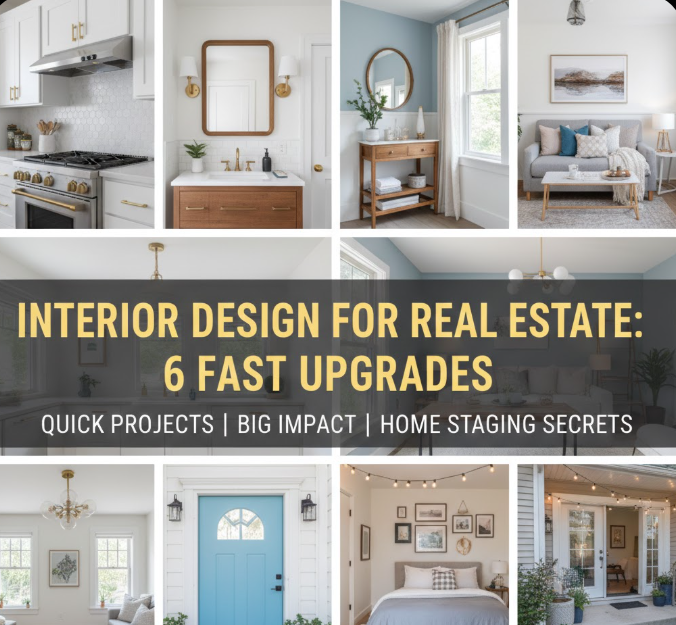
When you are selling your home, first impressions are much more important than you may think. Interior design for real estate can be the difference between making a sale in today’s competitive home market. Buyers walk into a showing and within seconds, decide if they can see themselves living there. Smart design choices help them say “yes” more quickly.
The good news? You don’t have to embark on a full renovation, or even have a huge budget, to make your space sparkle. Strategic upgrades, though, can quickly turn tired rooms into buyer bait. These changes are powerful because they play on emotion, while fixing practical problems. A new coat of paint, brighter lighting or uncluttered spaces may add thousands to your selling price.
This guide takes you through six quick upgrades with a big impact. Both strategies are about making spaces that photograph well and feel inviting in a showing. So if you are a homeowner who’s getting ready to sell or an investor flipping properties, these strategies will set you apart from the competition.
Why Good Design Sells Homes Faster
Here’s a dirty little secret that real-estate agents don’t want you to know: Cool stuff sells homes! And good staging sells: Well-staged properties spend 73% less time on the market, according to industry data. That’s because buyers make emotional connections with spaces that look move-in ready.
Now consider it from a buyer’s standpoint. These people are swinging by half a dozen properties in one day. They’re feeling choice fatigue. The homes that leave an impression are those where they can “see” their own furniture in the rooms, picture family dinners taking place or experience quiet mornings with coffee. Interior design for real estate makes it possible for those moments to exist.
Professional staging can run into the thousands, but many enhancements offer comparable bang for much less cash. The trick is knowing what most buyers care about. Clean spaces, neutral colors, good lighting and functional layouts are at the top of every buyer’s list. These are not fads of the moment but timeless principles that work in markets good or bad.
Upgrade #1: Paint With Intention in a Neutral Palette
Paint is the big gun in real estate transformations. It’s cheap, quick and it completely changes how a room feels. But choosing the correct colors can make all the difference between an apartment that draws potential buyers in and one that scares them away.
The Power of Neutral Palettes
Sure, bright purple is fantastic for a guest room, but buyers grapple with strong personal statements. Neutral doesn’t have to mean boring, it means versatile. Neutral shades such as warm gray, soft beige, creamy white and gentle taupe provide blank canvases for home buyers to project their personal style.
These colors also open up and enhance small, dark rooms. Light reflects off of neutral walls differently than dark or saturated colors. This optical illusion is particularly useful in a small room or a space that has little natural light.
Strategic Color Placement
Each wall doesn’t require the same approach. In living spaces, try painting accent walls in a hue one shade darker than the main color. This creates depth without over-powering. In kitchens and bathrooms, crisp white connotes a clean, modern feel that implies good maintenance.
Trim and molding need love too. Bright white trim pairs well with other white elements on a neutral wall for the cleaner style of finish. It’s a small touch indicative of quality throughout the property.
Quick Application Tips
Professional painters will usually be done in 2-3 days for most homes, but a D.I.Y. project can be just as good if you’re careful. Use painter’s tape to get a clean line, invest in some good rollers and use two coats at minimum for an even coat. Make sure you consider the ceilings — dingy overheads can make even newly painted walls seem tired.
Real estate and interior design experts say people really should try out colors in a variety of light conditions. Paint small areas and view them at different times in the day. Morning light has different tones from afternoon sun or evening lamps.
Upgrade #2: Ambiance And Function Lighting
Rooms with little or no natural light feel small, unwelcoming and even creepy to buyers. The key: lighting, which serves many purposes including accentuating architecture, providing warmth and making every square foot count. This update is a mix of quick fixes and strategic installs.
Layer Your Light Sources
Professional designers utilize three types of lighting: ambient (general overhead), task (directed to specific activities) and accent lighting (to emphasize a feature). Houses that include all three seem more refined and flexible.
Begin with ambient lighting in primary spaces. Instead of dated fixtures, opt for something contemporary that gives off bright, even light. LED bulbs are energy-efficient and long-lived compared to traditional options. Consider warm white (2700K-3000K) for inviting, personal environments instead of cool white.
Task lighting is especially important in kitchens, bathrooms and home offices. Under-cabinet strips keep countertops lit for cooking. Sconces placed on either side of a bathroom mirror prevent shadows. Desk lighting in office environments shows promise of productive work areas.
Maximize Natural Light
Windows are a selling point, so show them off correctly. Swap heavy drapes for light-filtering alternatives that allow the sun in. And if your window doesn’t have a curtain, simply hang a window treatment you love. Clean windows (inside and out) — it makes a huge difference.
Trim any bushes or trees that block windows from the outside. Buyers feel when a room is bright and airy as opposed to dark and closed-in. If you can afford to lose some privacy, leave the windows bare during showings.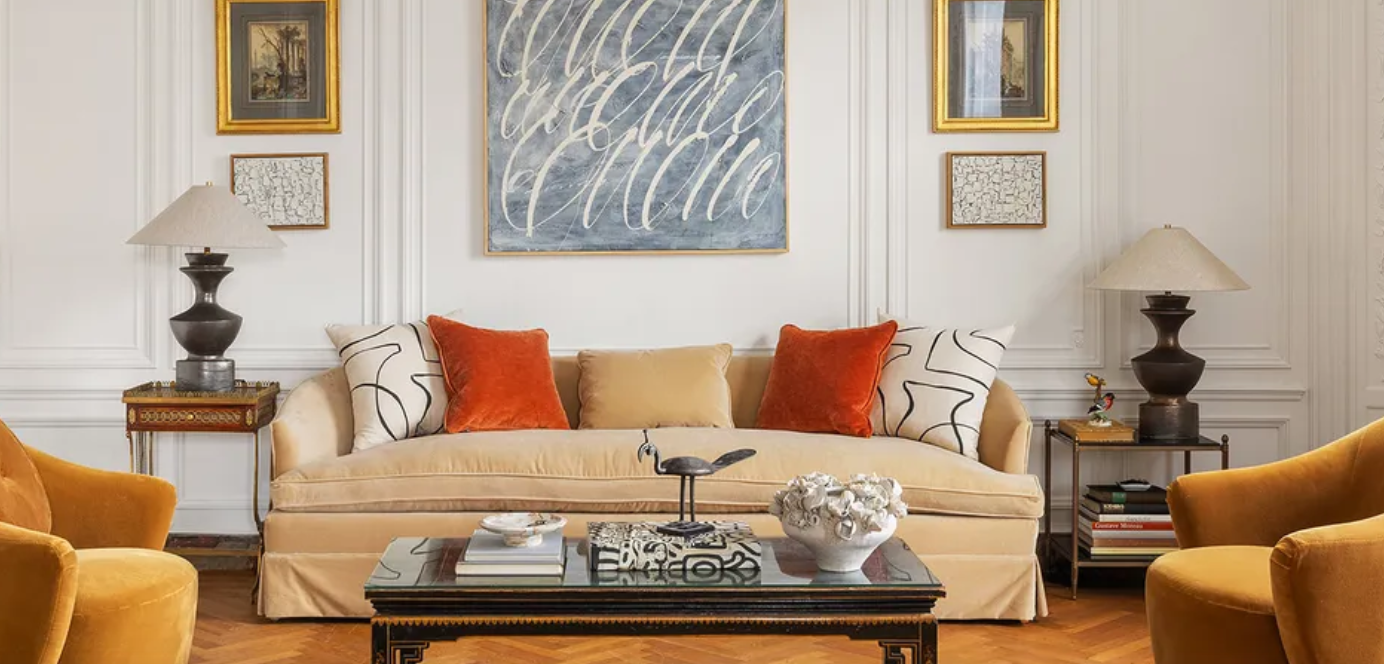
Affordable Fixture Upgrades
For those wary of their dated lights, swapping them out is not as costly as you might assume. Modern pendant lights, flush mount fixtures and contemporary chandeliers can provide instant style with all the light you need. Start with the most high-impact areas: entryways, dining rooms, kitchens.
Match finishes across the house for a unified appearance. If you’ve picked brushed nickel in the bathroom, bring that finish into both cabinet hardware and light fixtures in nearby spaces.
Upgrade #3: Declutter & Depersonalize All of the Spaces
Your family photos, ceramic frogs and shelves lined with books tell your story. Unfortunately, they also prevent buyers from picturing their own lives in your space. Decluttering is the easiest and least expensive upgrade of them all!
The 50% Rule
Get rid of at least half of everything in every room. That’s drastic, but it works. Clear counters in kitchens except for one or two decorative appliances. Pare bookcases with only a handful of thoughtfully placed books and objects. Those closets should be so thin that they look half-empty — buyers want to see storage space, not evidence that there’s barely enough room for your belongings.
Put away personal items such as family photos, kids’ artwork and souvenirs. This stuff means something to you but prevents buyers from envisioning your house as their own. Replace with neutral art or simple decor that ties in to your color palette.
Organize What Remains
There should be a reason and a spot for everything that is still in plain sight. Use coordinating baskets or bins to corral things in bathrooms and closets. Sort books by size to keep things neat. Group decorative items in odd numbers (better than doing even amounts, such as three or five.)
Be extra mindful of high-traffic spots. Entryways should be open and welcoming, not crowded with shoes and coats. Kitchen counters require adequate clear space to convince buyers that meal preparation is an easy and enjoyable endeavor.
Storage Solutions That Show Well
And if you’re concerned about where to store all the extra stuff, consider renting a storage unit while your house is on the market. The investment of low monthly fees is outweighed by the payoff in selling faster and for more.
For items that are remaining in the home, choose attractive storage which can serve as decor. Baskets, decorative boxes and vintage trunks are also great accessories for stowing away clutter with a visual twist. This works particularly well in real estate interior design because it shows potential buyers how a space can be lived in beautifully.
Upgrade #4: Floor Fixes That Make Rooms Shine
Floors occupy a lot of visual space and receive the most wear. Stained carpets, scratched hardwood and cracked tiles are all things buyers notice soon after walking in the door. The good news is that there are several easy solutions to flooring woes that won’t break the bank – or your back.
Deep Clean or Replace Carpets
Years of dirt, stains and odors disappear with professional carpet cleaning. It is a service that costs an average of $100-300 depending on the size of your home and it will take old carpets from dingy to looking new. For carpet that has major wear and tear, pet stains or damage, replacement may be needed.
Low-cost carpeting with installation runs $2 to $5 per square foot. Opt for neutral hues in long-lasting fibers. Stay away from thick, plush styles that show footprints and vacuum marks. Area rugs in low-pile beige, gray, or tan will be more durable and attract more buyers.
Hardwood Revival Techniques
Hardwood floors with scratches can be refinished as an alternative. For wear that’s not too bad, you might be able to get away with buffing and recoating the wood for about half the price of full refinishing. It provides a new protective layer and brightness without sanding down to the wood.
If you need refinishing, go with natural or medium stain colors. Ultra-dark, or red-tinged finishes discourage potential buyers. Natural wood tones can be mixed with almost any style of decor and will not feel dated in a few years.
Tile and Grout Transformations
Dirty grout can ruin the look of beautiful tile. Professional grout cleaning and sealing costs a couple hundred dollars, but can make bathrooms and kitchens look practically new. For tough stains, grout paint or stain products are available as a budget-friendly option.
Damaged or broken tiles should be replaced before listing. Even a single damaged tile catches buyers’ eyes and makes them worry about maintenance. Try to match them as closely as possible, or if you don’t think that is feasible replace entire small sections.
Quick Laminate and Vinyl Updates
Today’s luxury vinyl plank and laminate flooring go down in a snap and cost a fraction of what you’d pay for wood. And those have gotten significantly better in recent years. They resist water damage, scratches and wear and look great in wood grain.
If your existing laminate has visible damage and you want to replace only damaged planks without disturbing the surrounding floor, spot replacement is possible. Save any planks leftover from installation in case of this type of issue. If you don’t have enough extras, take a sample to flooring stores for matching.
Upgrade #5: Renovation-Free Kitchen and Bathroom Refreshes
Kitchens and bathrooms sell homes. When they appear updated and well maintained, these rooms command a premium price. Full renovations cost tens of thousands, but targeted refreshes provide the same visual impact for a fraction of the price.
Cabinet Transformations
Cabinet replacement is one of the most expensive home improvements. Instead, consider these alternatives:
Paint the cabinets for a totally new feel. White, light gray or pale blue gives you a modern look. Take off doors; clean, sand and apply two coats of quality cabinet paint. Add new hardware for an added impact.
Just replace doors and drawer fronts if the cabinet boxes are still solid. This is less expensive than full replacement, but has the same effect. Match new door styles to current home design trends—shaker style does not go out of fashion.
Update hardware on existing cabinets. New pulls and knobs cost from $3-10 each, but they can totally change the look of your kitchen. Opt for finishes that complement faucets and light fixtures.
Countertop Solutions
Granite and quartz replacements run into the thousands, but for sellers on a budget there are alternatives:
Refinish laminate counters with kits that mimic the look of stone. These DIY products involve precise painting but cost less than $300 for most average-size kitchens.
Paint countertops with specialty countertop paint and sealer systems. The results won’t fool experts, but they do create clean, up-to-date looks for showing.
Purchase peel-and-stick options that look like marble or granite. Good versions can hold up for several years and are far cheaper than stone.
Fixture and Faucet Updates
Old, dingy faucets scream “dated” even when everything else is up to snuff. New faucets with sleek designs range from $50 to $200 and take less than an hour to install. Select finishes that match other hardware in the room.
Replace fixtures in the bathrooms. Contemporary vanity lights enhance your decor and functionality. Do not overlook exhaust fans — quiet models that provide enough ventilation attract buyers worried about moisture and mold.
Backsplash Beauty
Installing or updating backsplashes creates focal points in kitchens and bathrooms. Those not feeling so ambitious can skip the mortar and grout, and try one of the peel-and-stick tile options on the market. They aren’t permanent fixes, but they hold up wonderfully in both showings and photos.
Traditional tile backsplashes offer more value and look better if they are professionally installed. Subway tile is still classic and really affordable. Glass, ceramic and stone can add personality but will appeal broadly. For more interior design inspiration and tips, explore comprehensive guides that can help you make the most of your space, or check out professional staging resources from the National Association of Realtors.
Kitchen & Bath Upgrade Cost Comparison
| Upgrade | Cost Range | Time to Complete | Impact Level |
|---|---|---|---|
| Cabinet Painting | $200-$1,000 | 2-4 days | High |
| Replacing Hardware | $100-$400 | 2-4 hours | Medium |
| Updating Faucets | $50-$200 each | 1-2 hours | Medium |
| Resurfacing Countertop | $200-$500 | 1-2 days | Medium-High |
| Installing Backsplash | $300-$1,500 | 1-3 days | Medium |
Upgrade #6: Give Buyers An Enticing Reason To Enter
The interior design of real estate begins before the buyer even walks in. Curb appeal sets first impressions that carry through everything else. A welcoming exterior invites buyers to discover a well taken care of interior.
Front Door Focus
Your front door is the first thing every visitor sees. A bright, fresh coat of paint is immediately impactful. You can’t go wrong with navy blue, charcoal grey or a classic red. Pick colors that will blend with your home’s exterior while also being special.
Update old hardware with new handles and locksets. Get a fresh doormat, modernized house numbers and even think about adding a simple wreath or seasonal arrangement. These personalizing touches show ownership pride.
Landscaping Basics
Overgrown bushes, dead plants and patchy grass send a message to buyers that the house needs work. Even if you’re not into gardening, some simple maintenance counts:
Trim all bushes and trees, in particular those hiding windows or touching the house. Edge walkways and driveways on both sides for clean lines. Weed the flower beds and add new mulch. Plant brightly colored annuals near your front door for instant cheer.
If your lawn is struggling, you may want to seek professional treatment or opt for sod if it’s a bad case. Lush, green grass elevates the entire property.
Power Washing Magic
Pressure washing erases years of dirt, mildew, and grime from siding, driveways, walkways and decks. Just this one step will make your home look 10 years younger. Rent equipment for do-it-yourself projects or pay professionals a few hundred dollars.
Look for details such as your gutters, window frames and outdoor light fixtures. Clean windows cast sunlight and make the inside of a home visible to passers-by — another selling point.
Outdoor Living Spaces
If you have outdoor space — a patio or a deck or even just a porch — stage it the way you would your interior rooms. Introduce comfortable seating, well-placed outdoor rugs and potted plants. Demonstrate to buyers how these spaces can be used for relaxing and entertaining.
Clean and repair decking or railing if needed. Stain or seal wood to keep it looking new. Change burnt out exterior lights and make sure all electrical outlets function correctly.
Measuring Your Impact: Before & After
Monitor your upgrade spending and performance. First you need to take some high quality professional style pictures before any tasks begin. After your upgrades are in place, photograph again from those same perspectives. These comparisons add value to prospects and tend to support your valuation of the property.
Think about creating an easy to read spreadsheet to keep track of:
- Upgrade completed
- Cost invested
- Time required
- Visual impact rating (1-10)
This information enables you to make informed decisions about where to invest time and budget. Some improvements are better investments than others in your geographical market.
Compare your home with recent sales where you live. How do your upgrades compare to the other properties? Real estate interior design is most effective when you know what buyers locally like and pay for.
Upgrade Pitfalls To Avoid
But with all the good intentions in the world, sellers can sometimes make decisions that end up hurting more than helping. Avoid these common errors:
Over-personalizing upgrades. Buyers may not be drawn to your favorite statement wallpaper or unique tile pattern. Stick to timeless options that won’t look dated in a hurry.
Skipping small repairs. Buyers see leaking faucets, stuck doors and loose doorknobs. These little things indicate bigger maintenance problems elsewhere.
Inconsistent quality. Don’t install builder-grade bathroom fixtures with luxury finishes in the kitchen. Keep the same quality level throughout the house.
Forgetting outdoor spaces. Buyers consider every part of the property, including yards, patios and garages. Do not forget about these areas in an internal-only focus.
Ignoring odors. Pet odors, cigarette smells and cooking odors don’t mask well with air fresheners. Deal with sources by deep cleaning, painting and in some cases replacing the flooring or ductwork.
Budget-Friendly Strategies for Maximum Impact
Not every seller can sink thousands into upgrades. Prioritize projects based on:
Visibility. Concentrate on the rooms and features buyers see first — entryways, living rooms, kitchens and primary bathrooms.
Condition. Tackle visibly damaged or shabby pieces before changing just for trends.
ROI potential. Some improvements yield more than others. Updating kitchens and bathrooms usually results in better returns than improvements made to bedrooms.
Structure a three-tier budget: must-do, should-do and nice-to-have. Take care of all must-do items, then tackle the others as your budget permits.
Do a few things yourself while you hire out the professionals for trades. You might be able to paint and declutter on your own, but both electrical and plumbing are probably going to require a licensed contractor.
Frequently Asked Questions
How much should I spend on interior design for real estate staging?
The general rule of thumb is 1-3% of the value of your home should be invested in staging and upgrades. For a home valued at $300,000, that could be $3,000-$9,000. Start by considering high-impact, low-cost changes, and then add other upgrades if your budget permits.
Can I stage my own home without hiring professionals?
Absolutely. Most sellers stage their own homes with these principles. Stagers know how to place the furniture and what accessories to use but with a little research you can do it yourself.
What room should I focus on upgrading the most?
Kitchens and master bathrooms have the best returns. After those, target living rooms and entryways through which buyers get their first impressions. Bedrooms typically require less investment unless they are in really bad shape.
When should I start making improvements to the property before listing?
Begin at least 4-6 weeks prior to your prospective listing date. That provides time to paint, do repairs, deep clean and also handle anything unexpected that pops up. Rush jobs often have low quality that harms rather than aids sales.
Does it really help sell homes to paint them in muted hues versus bold ones?
Data increasingly demonstrates the fact that homes with neutrally colored walls sell quicker and for more money. Buyers are better able to imagine their own style in blank-canvas spaces. Reserve bold colors for accessories that can be quickly swapped out.
Is it necessary to replace old appliances before selling?
If appliances are functioning well, a deep cleaning is often enough. Replace only if they are broken, extremely old (15 or more years) or do not match. Mismatched appliances look worse than older matching counterparts.
What’s the quickest upgrade I can make that will have an immediate effect?
Decluttering makes for a dramatic transformation. Eliminating half your stuff makes rooms feel bigger and better in a matter of hours.
Final Thoughts: Smart Design Moves Pay Off
Interior design for real estate doesn’t have to be performed by professionals, or break the bank. The six upgrades discussed here make sense because they tackle what buyers are most concerned with: clean, neutral, well-maintained spaces that feel move-in ready.
Begin with paint and decluttering — both relatively cheap fixes that can bring a significant return, quickly. Consider adding lighting upgrades and flooring repairs to address functional issues while enhancing the look. Freshen kitchens and bathrooms judiciously, with budget-minded makeovers that appear expensive. Finally, create curb appeal that makes buyers want to come inside and see your interior upgrades.
Keep in mind that each market is slightly different. What will buyers pay for in your neighborhood and price point? Take a walk through some model homes, and look at a few recent listings in the area to get an idea of what’s trending with buyers.
Even more importantly, look at your home as a buyer and not through the eyes of an owner who is sentimentally attached. The aim is not to design your dream space — it’s to craft a place where prospective buyers imagine their own dreams.
These strategic improvements make your property a hot commodity in competitive markets, appeal to serious buyers and warrant premium pricing. With a little bit of planning, some sweat equity and wise investing, you’ll construct spaces that will sell themselves while maximizing your return. Your investment of time and money now will come back to you when the right buyer walks through your beautiful space and says “yes, this feels like home!”