
When it comes to selling your home or increasing its worth, the real estate home interior plays a massive role in determining how much buyers are willing to pay. A well-designed interior doesn’t just look good—it actually boosts your property’s market value. Whether you’re planning to sell soon or just want to invest wisely in your home, these seven interior upgrades will give you the biggest bang for your buck.
Smart homeowners know that not all renovations are created equal. Some upgrades cost a fortune but add little value, while others pay for themselves many times over. In this guide, we’ll explore proven interior improvements that real estate experts recommend. These ideas range from simple cosmetic changes to more substantial updates, but they all share one thing in common: they make buyers open their wallets wider.
Why Your Interior Design Matters More Than You Think
Before diving into specific upgrades, let’s talk about why interior design is so important in real estate. First impressions happen fast—within the first 30 seconds of walking through your door. Buyers form opinions based on what they see, feel, and imagine living in your space.
A thoughtful real estate home interior tells buyers that the house has been cared for. It helps them visualize their own furniture and family in the rooms. More importantly, it eliminates objections before they even form. When buyers don’t have to worry about fixing outdated kitchens or ugly bathrooms, they’re willing to pay premium prices.
Studies show that staged homes sell for 5-20% more than empty or poorly presented properties. Even small touches like fresh paint or updated lighting can trigger emotional responses that lead to higher offers.
1. Kitchen Upgrades That Pay Off Big Time
The kitchen remains the heart of every home and the number one room that influences buying decisions. You don’t need to gut your entire kitchen to add value—strategic upgrades work wonders.
Focus on Cabinets and Hardware
Old cabinets drag down your entire kitchen’s appearance. Instead of replacing them completely, consider these budget-friendly options:
- Cabinet refacing: Keep the existing structure but replace doors and drawer fronts
- Fresh paint: White, gray, or navy cabinets are currently trending
- New hardware: Modern handles and pulls make a shocking difference
- Remove upper cabinets: Create an open, airy feel in smaller kitchens
These changes can transform your kitchen for a fraction of replacement costs. Buyers see modern cabinetry and assume the whole kitchen is updated.
Countertop Transformations
Countertops catch everyone’s eye immediately. If you have worn laminate or outdated tile, upgrading makes sense. Quartz has become the gold standard because it looks like marble but requires zero maintenance. Granite still holds value, especially in higher-end homes.
For budget-conscious sellers, even painting countertops or installing butcher block can refresh the space. The key is making surfaces look clean, modern, and durable.
Appliance Upgrades Worth Considering
Stainless steel appliances remain the safe choice for resale value. They appeal to the broadest range of buyers. If your appliances are more than 10 years old or mismatched, replacing them adds serious appeal.
You don’t need top-of-the-line models. Mid-range brands that look good and function well hit the sweet spot for value.
2. Bathroom Renovations With Maximum Return
Bathrooms rank second only to kitchens in importance. Dated bathrooms with pink tiles or worn fixtures send buyers running. Modern, spa-like bathrooms make them reach for their checkbooks.
Simple Updates That Make Big Impacts
Not every bathroom needs a complete overhaul. These affordable changes deliver impressive results:
- Replace the vanity with a modern floating design
- Install a new mirror with integrated lighting
- Update faucets and shower fixtures to brushed nickel or matte black
- Replace old toilets with water-efficient models
- Add a fresh shower curtain or glass enclosure
These improvements signal that the bathroom is current and functional. Buyers worry less about immediate renovation needs.
Tile and Flooring Choices
Old tile can make bathrooms look dingy no matter how clean they are. If your budget allows, retiling the shower or floor creates a fresh canvas. Large-format tiles in neutral colors work best for resale.
Vinyl plank flooring has become incredibly popular for bathrooms. It looks like real wood, resists water damage, and costs much less than tile. Installation takes just a day or two.
Lighting Makes Everything Better
Bathroom lighting often gets overlooked, but it matters tremendously. Replace builder-grade fixtures with modern sconces or pendant lights. Add dimmer switches for mood control.
Good lighting makes small bathrooms feel larger and helps buyers imagine getting ready in the space. It’s one of the easiest wins in bathroom upgrades.
3. Fresh Paint: The Cheapest Value Booster
Nothing transforms a real estate home interior faster or cheaper than paint. This simple upgrade offers the highest return on investment of any home improvement.
Color Psychology for Resale
Stick with neutral colors that appeal to the widest audience:
- Warm whites and creams create inviting spaces
- Soft grays offer modern sophistication
- Greige (gray-beige) bridges traditional and contemporary
- Accent walls in navy or charcoal add depth without overwhelming
Avoid bright colors, dark rooms, or anything too trendy. Buyers want blank canvases where they can imagine their own style.
Prep Work Matters
Don’t skip the preparation steps. Fill holes, sand rough patches, and prime properly. Clean, smooth walls make paint look professional and homes feel well-maintained.
Pay special attention to trim and doors. Bright white trim against neutral walls creates crisp, finished edges that buyers notice.
Which Rooms to Prioritize
If you can’t paint everything, focus on these high-impact areas:
- Living room and main gathering spaces
- Master bedroom
- Kitchen and bathrooms (if not renovating)
- Entryway and hallways
These rooms get the most attention during showings and set the tone for the entire home.
4. Flooring That Stands the Test of Time
Floors take serious abuse, so buyers scrutinize them carefully. Worn carpet, scratched hardwood, or outdated tile immediately lowers perceived value.
Hardwood Remains King
Real hardwood floors add significant value in any market. If you have hardwood hiding under carpet, expose it and refinish. The investment almost always pays off.
For homes without hardwood, consider these alternatives:
Engineered hardwood: Looks identical to solid wood but costs less and handles moisture better
Luxury vinyl plank (LVP): Incredibly durable, waterproof, and comes in realistic wood patterns
Laminate: Budget-friendly option that’s improved dramatically in quality
Carpet Considerations
If keeping carpet, replace anything worn, stained, or outdated. Neutral carpet in good condition reads as clean and move-in ready.
Stick with quality padding underneath—it makes carpet feel more luxurious and last longer. Buyers notice the difference when walking through.
Consistency Matters
Try to maintain flooring consistency throughout main living areas. Constantly changing floor types makes spaces feel choppy and smaller. Flowing from room to room with the same material creates visual continuity.
5. Lighting Upgrades That Brighten Your Bottom Line
Proper lighting might be the most underestimated element in real estate home interior design. It affects mood, perceived space, and how buyers experience every room.
Layer Your Lighting
Professional designers use three types of lighting:
- Ambient: Overall illumination from ceiling fixtures
- Task: Focused light for specific activities like reading or cooking
- Accent: Highlights architectural features or artwork
Homes with layered lighting feel more sophisticated and functional. Buyers appreciate the flexibility and attention to detail.
Replace Dated Fixtures
Light fixtures age homes faster than almost anything else. Brass chandeliers, boob lights, and fluorescent tubes scream “outdated.”
Modern fixtures don’t have to cost a fortune. Affordable options at home improvement stores look clean and contemporary. Replacing even 5-10 fixtures can modernize your entire home.
Natural Light Maximization
Make the most of natural light by:
- Removing heavy curtains or replacing with sheers
- Cleaning windows inside and out
- Trimming bushes that block light
- Adding mirrors to reflect light deeper into rooms
Bright, naturally lit homes photograph better and feel more welcoming during showings.
6. Storage Solutions Buyers Crave
Storage ranks high on every buyer’s wish list. Homes that solve storage problems command higher prices because buyers see them as more functional.
Closet Organization Systems
Builder-grade closets with a single rod waste valuable space. Installing closet systems shows buyers you’ve maximized every square foot.
DIY systems from stores like IKEA or Container Store cost a few hundred dollars per closet but add thousands in perceived value. Built-in drawers, double hanging rods, and shoe racks make closets work harder.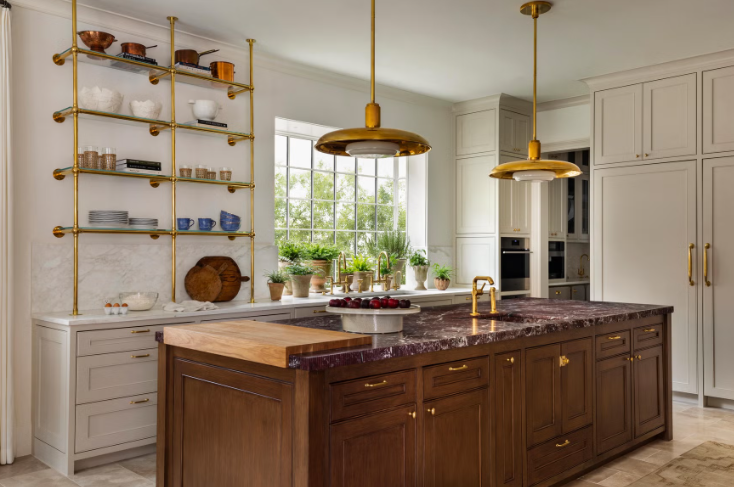
Creative Storage Ideas
Beyond closets, look for these storage opportunities:
- Built-in shelving in living rooms or home offices
- Kitchen pantry organization with pull-out shelves
- Garage storage systems and workbenches
- Mudroom hooks and cubbies
- Under-stair storage solutions
Each solution demonstrates thoughtful use of space. Buyers imagine their own belongings organized and accessible.
Decluttering as a Strategy
Sometimes the best storage upgrade is simply removing excess stuff. Clean, organized spaces feel larger and more valuable. Before showing your home, clear out:
- Overcrowded closets (remove 50% of contents)
- Countertops (leave them mostly bare)
- Refrigerator fronts (remove magnets and papers)
- Shelves (keep minimal decorative items)
Empty space sells. Buyers need to imagine their lives, not navigate around yours.
7. Smart Home Features for Modern Buyers
Today’s buyers expect technology integration. Smart home features appeal especially to younger generations and can differentiate your property from comparable listings.
Entry-Level Smart Upgrades
You don’t need a fully automated mansion. These affordable additions impress buyers:
- Smart thermostat: Nest or Ecobee models save energy and look sleek
- Smart doorbell: Ring or similar provides security and convenience
- Smart locks: Keyless entry appeals to tech-savvy buyers
- LED bulbs: Energy-efficient lighting throughout
- USB outlets: Modern convenience in kitchens and bedrooms
These upgrades cost a few hundred dollars total but signal that your home is current and efficient.
Security Systems
Home security matters more than ever. A monitored security system or even just outdoor cameras adds value and peace of mind.
Systems like SimpliSafe or ADT can transfer to new owners, making them a selling point during negotiations.
Energy Efficiency Pays
Smart home technology often overlaps with energy efficiency:
- Programmable thermostats reduce utility bills
- LED lighting lasts years and uses minimal power
- Smart power strips eliminate phantom energy drain
- Water leak detectors prevent costly damage
These features save money and show environmental consciousness—both attractive to modern buyers.
Measuring Your Return on Investment
Not all improvements offer equal returns. Understanding the numbers helps you prioritize wisely.
| Improvement | Average Cost | Value Added | ROI % |
|---|---|---|---|
| Fresh Paint | $2,000-$5,000 | $5,000-$10,000 | 100-200% |
| Minor Kitchen Remodel | $15,000-$25,000 | $20,000-$35,000 | 80-140% |
| Bathroom Refresh | $5,000-$12,000 | $8,000-$18,000 | 60-150% |
| Flooring Replacement | $3,000-$8,000 | $5,000-$12,000 | 60-150% |
| Lighting Updates | $1,000-$3,000 | $2,000-$5,000 | 100-200% |
| Closet Systems | $500-$2,000 | $2,000-$4,000 | 100-400% |
| Smart Home Tech | $500-$2,000 | $1,500-$3,500 | 75-175% |
These numbers vary by market, home price point, and quality of execution. However, the pattern is clear: smaller cosmetic improvements often deliver better percentage returns than major renovations.
Making Your Interior Work Together
Individual upgrades help, but cohesive design multiplies their impact. Your real estate home interior should tell a consistent story throughout the house.
Creating Flow
Choose a color palette that carries through all rooms. This doesn’t mean everything matches perfectly, but complementary colors create visual harmony.
Maintain similar style choices—don’t mix ultra-modern in one room with heavy traditional in another. Buyers appreciate homes that feel intentionally designed.
The Power of Staging
If selling, consider professional staging. Stagers know how to arrange furniture, choose accessories, and create emotional connections with buyers.
Even DIY staging helps. Remove personal photos, minimize furniture, and arrange pieces to maximize flow and space. Buyers need to see rooms, not your stuff.
Frequently Asked Questions
What interior upgrades add the most value to a home?
Kitchen and bathroom updates consistently deliver the highest returns. However, simpler improvements like fresh paint, updated lighting, and new flooring often provide better ROI percentages because they cost less while still significantly improving appearance.
How much should I spend on interior improvements before selling?
Financial experts recommend spending 1-3% of your home’s value on pre-sale improvements. Focus on fixes that remove buyer objections (worn carpet, dated fixtures) and affordable upgrades with proven returns like paint and lighting.
Should I renovate my kitchen before selling?
Full kitchen renovations rarely make financial sense before selling unless your kitchen is severely outdated or damaged. Instead, focus on affordable updates like cabinet painting, new hardware, updated lighting, and fresh countertops if needed.
Do smart home features really increase home value?
Smart home features appeal to younger buyers and can help your home sell faster. They add moderate value (usually $1,500-$5,000) but differentiate your property in competitive markets. Basic features like smart thermostats and doorbells offer the best return.
What colors should I paint my interior for resale?
Neutral colors work best for resale: warm whites, soft grays, and greige (gray-beige). These create blank canvases that appeal to the widest range of buyers. Save bold colors for accent walls if you must use them at all.
Are hardwood floors worth the investment?
Real hardwood floors almost always add value and appeal. If you already have hardwood under carpet, refinishing is definitely worth it. Installing new hardwood in key areas (living room, dining room, bedrooms) typically returns 70-80% of the cost.
How important is lighting in real estate value?
Lighting significantly impacts how buyers perceive your home. Well-lit spaces feel larger, cleaner, and more inviting. Updating fixtures and maximizing natural light are among the most cost-effective improvements you can make.
Final Thoughts: Investing Wisely in Your Space
Improving your real estate home interior doesn’t require unlimited budgets or months of construction. The smartest approach focuses on changes that matter most to buyers while staying within your financial comfort zone.
Start with fixes that remove objections—anything broken, stained, or obviously worn needs attention first. Then move to affordable upgrades that modernize your space: paint, lighting, and hardware updates deliver impressive results for minimal investment.
Save major renovations for problems that truly impact value or livability. A 30-year-old kitchen with functional appliances might just need cosmetic refreshing rather than complete replacement. Let buyer feedback guide your choices if possible.
Remember that every market differs slightly. Luxury homes might need high-end finishes to compete, while starter homes benefit most from clean, neutral presentations. Research comparable homes in your area to understand local expectations.
The goal isn’t creating your dream home—it’s maximizing value for the next owner. Keep improvements broad in appeal, high in quality, and smart in execution. Your real estate home interior should welcome buyers and help them imagine their future, all while protecting and enhancing your investment.
Whether you’re selling next month or planning ahead for years down the road, these seven strategies will serve you well. They boost value, increase appeal, and make your home more enjoyable while you’re still living there. That’s the best kind of investment—one that pays dividends both now and later.