
When it comes to real estate home interior improvements, not all upgrades are created equal. Some renovations drain your wallet without adding much value, while others deliver impressive returns when it’s time to sell. Smart homeowners know that strategic interior upgrades can transform a property from average to exceptional, attracting buyers and commanding higher prices.
The key is understanding which real estate home interior changes actually matter to buyers. This article breaks down the most profitable upgrades, showing you exactly where to invest your money for the best results. Whether you’re preparing to sell or simply want to increase your home’s value, these proven strategies will help you make smart decisions that pay off.
Kitchen Upgrades That Deliver Real Value
The kitchen remains the heart of any home. Buyers pay close attention to this space, making it one of the most important areas for real estate home interior improvements.
Cabinet Refresh Over Complete Replacement
Replacing all your kitchen cabinets costs a fortune. Instead, consider these budget-friendly alternatives that still pack a punch:
Painting existing cabinets in modern colors like soft gray, navy blue, or classic white instantly updates the space. This simple change can cost 90% less than new cabinets while delivering a fresh, contemporary look.
New hardware makes a surprising difference too. Swapping outdated brass handles for sleek brushed nickel or matte black pulls takes just an afternoon but transforms the entire kitchen aesthetic.
Countertop Choices That Make Sense
Granite and marble countertops sound luxurious, but they’re not always the smartest investment. Quartz countertops offer similar beauty with better durability and lower maintenance requirements. They resist stains, don’t need sealing, and come in countless styles.
For tighter budgets, high-quality laminate has improved dramatically. Modern laminate countertops can mimic stone at a fraction of the cost, making them perfect for rental properties or quick flips.
Lighting Upgrades That Brighten Your Return
Under-cabinet lighting creates ambiance and functionality. LED strip lights cost less than $100 to install but make countertops more usable while adding a professional finish.
Pendant lights over islands or eating areas serve as focal points. Choose fixtures that complement your home’s style without being too trendy or personal.
Bathroom Renovations Worth The Investment
Bathrooms rank second only to kitchens in buyer importance. The good news? You don’t need a complete gut job to see significant real estate home interior value increases.
Fixture Updates That Modernize Instantly
Old faucets, showerheads, and towel bars scream dated. Replacing these items takes minimal time and money but delivers maximum impact.
Modern fixtures in consistent finishes create cohesion. Stick with one metal tone throughout each bathroom—mixing chrome, bronze, and nickel looks messy and unplanned.
The Power of Fresh Paint and Grout
Dingy grout kills bathroom appeal faster than almost anything else. Re-grouting tiles or using grout paint products costs very little but makes bathrooms look clean and well-maintained.
Painting bathroom walls in neutral, soothing colors creates a spa-like atmosphere. Soft grays, warm beiges, and gentle blues all work beautifully. Skip bold accent walls—they limit buyer appeal.
Vanity Improvements on a Budget
New vanities can be expensive, but updated ones don’t have to be. Painting existing vanities and adding new hardware follows the same successful strategy as kitchen cabinets.
Replacing just the countertop and sink while keeping the vanity cabinet saves money while still refreshing the space. A new vessel sink or modern undermount option changes the entire look.
Flooring Changes That Add Lasting Value
Flooring impacts every room and influences buyer perceptions of quality and maintenance. Smart real estate home interior flooring choices pay dividends.
Hardwood Alternatives That Look Luxurious
Real hardwood flooring delivers excellent returns, but luxury vinyl plank (LVP) comes close at a much lower price point. Modern LVP looks remarkably similar to wood, resists water damage, and costs 50-70% less to install.
Engineered hardwood splits the difference. It offers real wood surfaces with better moisture resistance than solid hardwood, making it practical for more areas of the home.
Strategic Carpet Replacement
New carpet in bedrooms feels comfortable and inviting. Neutral colors like beige, light gray, or soft tan appeal to the widest range of buyers.
High-traffic areas benefit most from carpet replacement. Fresh carpet in living rooms, stairs, and hallways signals a well-maintained home.
Tile That Stands The Test of Time
Large-format tiles in bathrooms and entryways look modern and are easier to clean than small tiles with excessive grout lines. Choose neutral colors that won’t date quickly.
Porcelain tiles resist moisture, stains, and wear better than ceramic options. The slight price increase delivers better longevity and appeal.
Paint Colors That Sell Homes Faster
Paint offers the best return on investment of almost any real estate home interior upgrade. It’s inexpensive, transformative, and accessible to most homeowners.
The Neutral Palette Strategy
Buyers want to envision their belongings in your space. Bold accent walls and unusual colors make this difficult.
Stick with these proven winners:
- Warm whites and soft creams for main living areas
- Light grays with warm undertones for modern appeal
- Greige (gray-beige) for maximum versatility
- Soft blues for bedrooms and bathrooms
Quality Matters More Than You Think
Cheap paint looks cheap. It requires more coats, shows streaks, and ages poorly. Premium paint costs more upfront but covers better and lasts longer.
One coat of high-quality paint beats three coats of budget paint every time. The labor savings alone justify the upgraded product.
Don’t Forget Trim and Doors
Fresh white trim makes rooms look cleaner and larger. Crisp white doors and baseboards create a polished, move-in ready appearance.
This detail often gets overlooked, but buyers notice. Dingy yellow trim dates a home instantly.
Lighting Improvements That Illuminate Value
Modern lighting transforms spaces and moods. Updating fixtures ranks among the most cost-effective real estate home interior improvements available.
Chandeliers and Statement Pieces
Dining rooms and entryways benefit from eye-catching light fixtures. A beautiful chandelier creates a focal point and suggests luxury without enormous expense.
Choose fixtures that fit the space proportionally. Too small looks cheap, too large overwhelms.
Recessed Lighting for Modern Appeal
Adding recessed lights in living rooms, kitchens, and hallways creates ambient lighting that feels current and sophisticated. While installation requires some electrical work, the impact justifies the cost.
Dimmer switches add functionality and romance. They cost little to install but give rooms multiple moods and uses.
Natural Light Maximization
Removing heavy drapes and replacing them with simple blinds or light-filtering shades brightens rooms dramatically. Natural light makes spaces feel larger and more inviting.
Cleaning windows thoroughly sounds basic, but dirty windows block surprising amounts of light. This zero-cost improvement brightens homes instantly.
Smart Storage Solutions Buyers Love
Storage sells homes. Buyers always want more closet space, and clever real estate home interior storage upgrades address this universal need.
Closet Organization Systems
Custom closet systems don’t require professional installation anymore. Wire shelving systems from home improvement stores dramatically improve closet functionality at reasonable prices.
Double hanging rods, shoe racks, and shelf dividers maximize vertical space. An organized closet looks larger than a cluttered one, even if the actual square footage stays the same.
Built-In Shelving That Adds Character
Built-in bookshelves in living rooms or home offices add charm and functionality. They can be DIY projects or professional installations, depending on your skill level and budget.
Window seats with storage underneath serve double duty. They create reading nooks while hiding clutter, appealing to buyers’ desire for both style and practicality.
Mudroom and Entryway Organization
Hooks, benches, and cubbies in entryways keep clutter contained. Even small spaces can accommodate these features, making homes feel more organized and intentional.
Buyers appreciate thoughtful storage solutions. They signal that the home has been cared for and updated with livability in mind.
Energy-Efficient Upgrades With Double Benefits
Energy efficiency saves money and appeals to environmentally conscious buyers. These real estate home interior improvements pay off twice.
Window Treatments That Insulate
Cellular shades trap air in honeycomb pockets, reducing heat loss in winter and heat gain in summer. They look clean and modern while cutting energy bills.
Thermal curtains serve a similar purpose with a different aesthetic. Both options cost far less than window replacement while still improving efficiency.
Smart Thermostat Installation
Programmable thermostats cost under $200 but can reduce energy bills by 10-15%. They appeal to tech-savvy buyers and demonstrate home modernity.
Installation takes less than an hour for most homeowners. The combination of easy installation, low cost, and high appeal makes this upgrade a no-brainer.
LED Lighting Throughout
Swapping incandescent bulbs for LEDs costs very little but reduces energy consumption by 75-80%. Buyers appreciate lower utility costs and the reduced hassle of changing bulbs less frequently.
This upgrade has virtually no downside. It’s cheap, easy, and universally appreciated.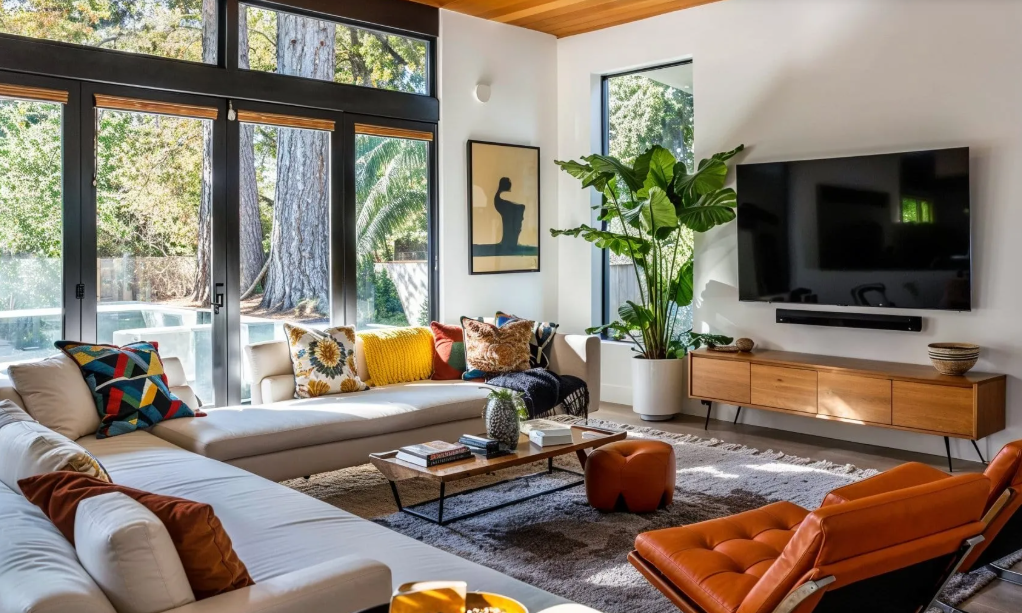
Budget-Friendly Finishing Touches
Small details complete the real estate home interior package. These final touches don’t cost much but create a polished, intentional appearance.
Updated Switch Plates and Outlet Covers
Yellowed plastic switch plates date homes instantly. New white or colored plates that match your decor cost pennies but freshen every room.
This minor detail makes a surprising difference in perceived home quality and maintenance.
Crown Molding and Baseboards
Adding crown molding creates elegant transitions between walls and ceilings. It suggests craftsmanship and attention to detail.
Taller baseboards look more substantial and expensive than standard options. This simple swap adds perceived value throughout the home.
Door Hardware Consistency
Mismatched door handles throughout a home look unplanned and cheap. Replacing all interior door hardware with matching sets creates cohesion.
Choose timeless styles over trendy options. Brushed nickel and oil-rubbed bronze both offer longevity and broad appeal.
Return on Investment Comparison Table
| Upgrade Type | Average Cost | Expected ROI | Buyer Appeal |
|---|---|---|---|
| Kitchen Cabinet Paint | $500-1,500 | 80-100% | Very High |
| Bathroom Fixture Update | $300-800 | 70-90% | High |
| Interior Paint (whole home) | $2,000-5,000 | 50-75% | Very High |
| New Flooring (LVP) | $3,000-7,000 | 60-80% | High |
| Lighting Updates | $500-2,000 | 70-100% | Moderate-High |
| Smart Thermostat | $100-250 | 40-60% | Moderate |
| Closet Organization | $300-1,000 | 50-70% | Moderate-High |
| Countertop Replacement | $2,000-5,000 | 60-80% | Very High |
Common Mistakes to Avoid
Even with good intentions, homeowners sometimes waste money on upgrades that don’t deliver value. Avoid these common pitfalls:
Over-personalization kills resale value. Your favorite bold purple accent wall or unique tile pattern might not appeal to buyers. Keep improvements neutral and broadly appealing.
Ignoring the neighborhood standard. Installing ultra-luxury upgrades in a modest neighborhood means you’ll never recoup the investment. Match improvements to your home’s market segment.
Skipping permits for major work. Unpermitted renovations create problems during home sales. Always get proper permits for electrical, plumbing, and structural work.
Focusing only on aesthetics. Buyers care about function too. A beautiful bathroom with terrible water pressure disappoints. Address mechanical issues before cosmetic ones.
Choosing trendy over timeless. Today’s hot design trend becomes tomorrow’s dated look. Classic styles age better and appeal to more buyers.
When to DIY and When to Hire Professionals
Knowing your limits saves money and prevents disasters. Some real estate home interior upgrades suit DIY enthusiasts, while others require professionals.
Safe DIY Projects:
- Painting walls, cabinets, and trim
- Installing new cabinet hardware
- Replacing light fixtures (non-structural)
- Installing closet organization systems
- Updating switch plates and outlet covers
- Adding crown molding or baseboards
Hire Professionals For:
- Electrical work beyond simple fixture replacement
- Plumbing modifications
- Structural changes
- Countertop installation
- Flooring installation (unless you’re experienced)
- Tile work requiring precise cuts and waterproofing
The cost savings of DIY rarely justify poor results. A badly painted room or crooked tile job hurts value instead of helping it.
Timing Your Upgrades Strategically
When you make improvements matters almost as much as which ones you choose.
Pre-listing upgrades should focus on high-impact, quick-return projects. You want the home to show beautifully without over-investing.
Long-term value building allows for more comprehensive projects. If you plan to stay in your home for several years, you can enjoy the improvements while building equity.
Seasonal considerations affect project timing. Interior painting works year-round, but good weather makes messy projects easier by allowing open windows and doors.
Measuring Success Beyond Just Money
While financial return matters, other benefits make real estate home interior upgrades worthwhile:
Faster sales mean less carrying cost. A home that sells in two weeks instead of two months saves mortgage payments, utilities, and stress.
Higher offers result from buyer competition. Updated homes attract more interest and multiple offers, driving prices up.
Smoother inspections happen when homes are well-maintained. Buyers feel confident about updated properties and negotiate less aggressively.
Personal enjoyment counts too. If you’ll live with the upgrades for a while, choose improvements that enhance your daily life while also building value.
Frequently Asked Questions
What is the single best real estate home interior upgrade for resale value?
Fresh interior paint delivers the highest return on investment. It costs relatively little, transforms every room, and appeals universally to buyers. Neutral colors in good condition make homes show better and sell faster.
How much should I spend on interior upgrades before selling?
A general guideline suggests spending 1-3% of your home’s value on pre-sale improvements. Focus on high-impact, low-cost projects rather than major renovations. The goal is making the home show well, not creating your dream house.
Do luxury upgrades guarantee higher sale prices?
Not necessarily. Over-improving beyond your neighborhood’s standards means you won’t recoup the investment. Match your upgrades to comparable homes in your area. Buyers won’t pay Ritz-Carlton prices in a Holiday Inn neighborhood.
Should I update everything or focus on specific rooms?
Focus on kitchens, bathrooms, and main living areas. These spaces matter most to buyers. Fresh paint throughout creates cohesion, but concentrate bigger budgets on high-traffic, high-impact rooms.
How long before selling should I make interior upgrades?
Ideally, complete upgrades 2-4 weeks before listing. This timing allows fresh paint to cure, new smells to dissipate, and everything to settle. Avoid listing immediately after renovations when the home still feels unsettled.
Are smart home features worth adding?
Basic smart features like thermostats and lighting appeal to many buyers without significant cost. Advanced whole-home automation systems may not deliver proportional returns unless you’re in a luxury market where buyers expect these features.
What if I have a limited budget for improvements?
Prioritize paint, deep cleaning, and minor repairs. These low-cost improvements deliver strong results. A spotlessly clean, freshly painted home in good repair beats a house with one expensive upgrade but other neglected areas.
Final Thoughts on Maximizing Your Investment
Strategic real estate home interior upgrades transform properties from ordinary to outstanding without breaking the bank. The secret lies in understanding buyer psychology and focusing on improvements that deliver the best combination of impact and affordability.
Remember that different markets value different features. Research recently sold homes in your neighborhood to see which upgrades buyers reward with higher prices. Pay attention to online listing photos of successful sales—they reveal which features matter most in your specific market.
The most successful sellers think like buyers. They create neutral, well-maintained spaces that allow potential purchasers to envision their own lives unfolding in the home. Personal touches disappear in favor of universal appeal. Maintenance issues get addressed before they become negotiating points.
Ultimately, the best real estate home interior upgrades balance cost, impact, and timing. They improve your home’s appearance and functionality while delivering measurable financial returns. Whether you’re preparing to sell next month or building value for future years, these proven strategies help you invest wisely and reap the rewards when it matters most.
Start with the improvements that deliver the highest returns in your price range. Work through the list systematically, maintaining quality standards throughout. Your efforts will pay off in faster sales, higher offers, and the satisfaction of knowing you’ve maximized your property’s potential.