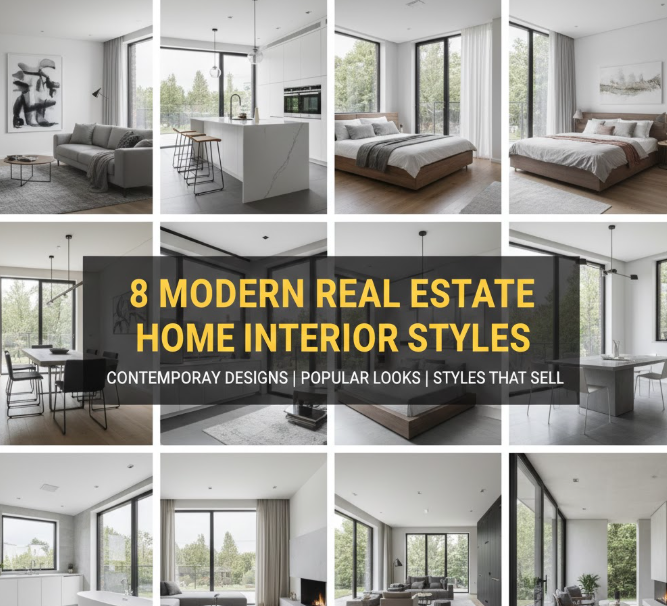
Choosing the right real estate home interior style can make or break your property’s appeal. Whether you’re selling, buying, or renovating, understanding modern interior design trends helps you create spaces that feel both personal and marketable. Today’s homebuyers want more than four walls—they want a lifestyle that matches their personality.
The world of interior design has exploded with fresh ideas over the past decade. From minimalist sanctuaries to bold maximalist statements, there’s a style for every taste and budget. This guide breaks down eight trending real estate home interior styles that are dominating the market right now. You’ll discover what makes each one special, how to achieve the look, and why certain styles increase property value.
Let’s explore these transformative design approaches that are reshaping how we think about home spaces.
Modern Minimalist: Less Is Definitely More
Modern minimalist design strips away the unnecessary and celebrates simplicity. This real estate home interior approach focuses on clean lines, neutral colors, and purposeful furniture placement. Think open floor plans with plenty of breathing room.
The color palette stays mostly neutral—whites, grays, beiges, and blacks dominate the scene. Furniture pieces are functional yet sculptural, often featuring sleek metal or light wood frames. Storage solutions hide clutter behind smooth cabinet doors, maintaining that uncluttered aesthetic.
Natural light plays a huge role here. Large windows remain undressed or feature simple roller shades. The goal is to create calm, peaceful spaces where every item serves a purpose. Nothing is just for show.
Key Elements of Minimalist Interiors
Start with a neutral foundation on walls and floors. Choose furniture with simple geometric shapes and avoid ornate details. Limit decorative objects to one or two statement pieces per room.
Texture becomes your best friend in minimalist spaces. Mix smooth surfaces with natural materials like linen, wool, or raw wood to prevent the room from feeling cold. A single piece of art makes more impact than a gallery wall.
Storage is critical. Built-in cabinets, under-bed drawers, and multi-functional furniture keep belongings out of sight. The rule of thumb: if you don’t use it regularly or love it deeply, it doesn’t belong in a minimalist home.
Industrial Chic: Raw Materials Meet Urban Style
Industrial style brings warehouse vibes into residential spaces. This real estate home interior trend celebrates exposed brick, concrete floors, and visible mechanical systems. It’s perfect for loft apartments and converted commercial buildings.
Metal fixtures dominate the space—think steel-framed windows, iron railings, and copper pendant lights. Ductwork and pipes become design features rather than eyesores. The look is intentionally unfinished and edgy.
Color schemes typically feature neutral tones with metallic accents. Gray concrete, weathered wood, black metal, and rust-colored elements create an authentic industrial feel. Pops of color come from artwork or furniture upholstery.
Creating an Industrial Look
Start by exposing architectural elements. Remove drywall to reveal brick, or leave ceiling beams visible. Choose furniture made from reclaimed wood and metal—vintage factory carts make excellent coffee tables.
Lighting fixtures should make a statement. Edison bulbs in cage pendants or oversized metal task lamps add authenticity. Large factory-style clocks serve as bold wall art.
Balance the hardness of industrial materials with soft textiles. Leather sofas, chunky knit throws, and area rugs soften the space without compromising the aesthetic. The contrast creates visual interest and comfort.
Scandinavian Design: Cozy Functionality
Scandinavian style combines minimalism with warmth. This real estate home interior approach originated in Nordic countries where long winters demand bright, comfortable spaces. The result is effortlessly beautiful and highly functional.
White walls and light wood floors create the foundation. Furniture features clean lines but adds warmth through natural materials like oak, ash, and birch. Everything feels approachable and lived-in rather than stuffy.
The color palette stays light and airy—whites, soft grays, and pale blues dominate. Accents come from natural elements like plants, woven baskets, and sheepskin throws. Black accents provide contrast without overwhelming the space.
Achieving Scandinavian Simplicity
Maximize natural light with sheer curtains or no window treatments. Paint walls bright white to reflect light throughout the day. Add warmth through wood tones in furniture and flooring.
Choose furniture with simple, functional designs. Scandinavian pieces often feature tapered legs and rounded edges. Comfort matters as much as aesthetics—think plush cushions and cozy reading nooks.
Layer textures to create hygge (coziness). Wool blankets, linen pillows, and cotton rugs add tactile interest. Candles and soft lighting create ambiance during darker months. Plants bring life and color to neutral spaces.
Mid-Century Modern: Timeless Retro Appeal
Mid-century modern design emerged in the 1950s and 60s but remains incredibly popular today. This real estate home interior style features organic shapes, functional forms, and a mix of traditional and non-traditional materials.
Furniture sits low to the ground with tapered wooden legs—think iconic Eames chairs and teak sideboards. The silhouettes are clean but playful, with curves balancing straight lines. Quality craftsmanship shows in every piece.
Color schemes can go two ways: neutral with wood tones, or bold with mustard yellows, olive greens, and burnt oranges. Geometric patterns appear in wallpaper, textiles, and art. The overall vibe is optimistic and forward-thinking.
Mid-Century Style Elements
Invest in authentic or reproduction furniture from the era. Look for pieces with hairpin legs, molded plastic shells, or walnut veneers. Mix vintage finds with contemporary items for a fresh take.
Create conversation areas with low-slung sofas and armchairs. Add a statement coffee table—kidney-shaped or with intersecting geometric forms. Bookshelves should be sleek and sometimes asymmetrical.
Incorporate period-appropriate lighting. Sputnik chandeliers, arc floor lamps, and globe pendants all fit the aesthetic. Wall art should feature abstract designs or nature-inspired prints in bold colors.
Coastal Contemporary: Beachy Without the Kitsch
Coastal contemporary style captures the essence of beach living without relying on nautical clichés. This real estate home interior trend works anywhere, not just seaside properties. It emphasizes relaxation, natural materials, and connection to the outdoors.
The color palette draws from the beach—sandy neutrals, soft blues, seafoam greens, and crisp whites. These colors create a serene backdrop that feels breezy and open. Wood tones lean toward weathered or whitewashed finishes.
Natural materials dominate: jute rugs, rattan furniture, linen upholstery, and driftwood accents. The textures remind you of coastal elements without screaming “beach house.” It’s sophisticated and understated.
Building a Coastal Atmosphere
Start with a light, neutral base on walls and larger furniture pieces. Add coastal colors through pillows, throws, and artwork. Keep the overall effect subtle—you’re suggesting the beach, not recreating it.
Choose furniture with relaxed silhouettes. Slipcovered sofas in white or natural linen look effortlessly casual. Wicker or rattan chairs add texture without formality. Keep lines simple and unfussy.
Bring in natural elements thoughtfully. A bowl of shells, coral specimens, or smooth stones works better than mass-produced anchor decor. Large windows and sheer curtains maximize natural light. Indoor plants, especially palms or ferns, enhance the tropical feel.
Japandi: Where Japan Meets Scandinavia
Japandi blends Japanese and Scandinavian design principles into one harmonious style. This real estate home interior approach combines minimalism with warmth, creating spaces that feel both zen and inviting.
The aesthetic prioritizes quality over quantity. Every piece serves a purpose and brings beauty to the space. Craftsmanship matters deeply—handmade ceramics, well-constructed furniture, and natural materials take center stage.
Color palettes stay muted and earthy. Warm grays, beiges, terracotta, and black create depth without chaos. Wood tones are essential, often featuring oak, walnut, or bamboo. The overall effect is grounding and peaceful.
Creating Japandi Harmony
Mix Japanese and Scandinavian furniture pieces. A low Japanese platform bed might pair with a Scandinavian dresser. Choose items with clean lines and natural finishes. Avoid anything overly ornate or busy.
Embrace wabi-sabi—finding beauty in imperfection. Handmade pottery with irregular glazes, natural wood with visible grain, and linen with a lived-in texture all fit this philosophy. Everything should feel authentic and real.
Keep spaces uncluttered but warm. Low-profile furniture creates open flow. Add warmth through textiles like wool throws, cotton cushions, and jute rugs. Paper lanterns or simple pendant lights provide soft, diffused lighting.
Transitional Style: The Best of Both Worlds
Transitional design bridges traditional and contemporary styles. This real estate home interior approach appeals to a broad audience because it feels comfortable yet current. It’s perfect for homeowners who can’t choose between classic and modern.
The style balances ornate and simple elements. A traditional sofa might feature contemporary throw pillows. Classic molding appears alongside minimalist furniture. The mix feels intentional rather than confused.
Neutral color schemes dominate—grays, taupes, creams, and whites create a sophisticated backdrop. Pops of color appear through accessories that can easily change with trends. Metallic finishes add a touch of glamour.
Achieving Transitional Balance
Start with neutral walls and classic architectural details if possible. Crown molding or wainscoting adds traditional character. Choose one style to dominate (60-70%) and use the other as accent (30-40%).
Mix furniture styles thoughtfully. A contemporary dining table might surround traditional upholstered chairs. A classic tufted sofa could sit beside a sleek glass coffee table. The key is finding common ground through color, scale, or finish.
Layer textures for depth. Smooth leather, nubby linen, polished wood, and brushed metal all work together. Avoid heavy patterns—stick with solid colors or subtle textures. Lighting should blend styles too, perhaps mixing a traditional chandelier with modern sconces.
Maximalist: More Is More
Maximalism celebrates abundance, color, and personal expression. This bold real estate home interior style isn’t for everyone, but it creates memorable, joyful spaces. It’s the antithesis of minimalism and proud of it.
Color explodes across walls, furniture, and accessories. Nothing is off-limits—jewel tones, bright primaries, and rich neutrals all coexist. Patterns layer upon patterns: florals with geometrics, stripes with paisleys. Somehow it all works together.
Collections and treasures cover every surface. Gallery walls climb to the ceiling, shelves overflow with objects, and textiles layer for maximum impact. The goal is to surround yourself with things you love.
Mastering Maximalist Design
Start with a bold wall color or wallpaper. Don’t hold back—this is your chance to embrace saturated hues or busy patterns. Build from there, adding furniture in complementary or contrasting colors.
Mix styles, eras, and origins freely. A Victorian settee can coexist with a modern acrylic chair. Vintage finds from flea markets share space with contemporary art. The eclectic mix tells your unique story.
Create intentional vignettes rather than random clutter. Group collections by color, theme, or material. Layer textiles—velvet pillows on a silk sofa with a Persian rug underneath. Add metallic accents for glamour. Good lighting is essential to showcase all the details.
Comparing Interior Styles: Quick Reference
| Style | Color Palette | Key Materials | Best For | Maintenance Level |
|---|---|---|---|---|
| Modern Minimalist | Neutrals, monochrome | Metal, glass, concrete | Small spaces, busy lifestyles | Low |
| Industrial Chic | Grays, browns, metallics | Brick, metal, reclaimed wood | Lofts, urban settings | Low |
| Scandinavian | Whites, soft grays, pastels | Light woods, natural fibers | Dark climates, cozy seekers | Low-Medium |
| Mid-Century Modern | Earth tones, bold accents | Teak, walnut, molded plastic | Retro enthusiasts | Medium |
| Coastal Contemporary | Blues, whites, sandy neutrals | Rattan, linen, driftwood | Relaxed environments | Medium |
| Japandi | Muted earths, warm grays | Oak, bamboo, ceramics | Zen seekers | Low |
| Transitional | Neutrals with subtle color | Mixed traditional & modern | Broad appeal | Medium |
| Maximalist | All colors, bold patterns | Everything and anything | Creative personalities | High |
How Interior Style Affects Real Estate Value
The right interior style significantly impacts property value and marketability. Homes staged in popular styles sell faster and often for higher prices. Buyers can envision themselves living in spaces that feel current and well-designed.
Neutral, transitional styles typically appeal to the broadest audience. They allow buyers to imagine their own belongings in the space without major changes. However, distinctive styles can attract passionate buyers willing to pay premium prices.
Quality matters more than trend-following. Well-executed design in any style beats poorly done trendy interiors. Invest in good bones—flooring, lighting, and built-ins—then layer in style-specific elements that can evolve.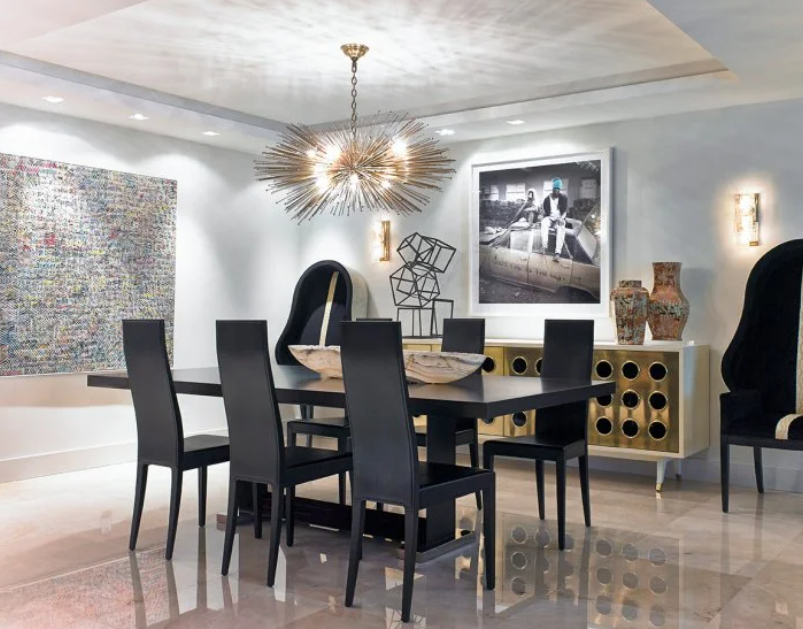
Choosing Your Perfect Interior Style
Start by considering your lifestyle and needs. Do you have kids or pets? Minimalism might prove challenging. Love collecting things? Maximalism embraces that tendency. Your home should work for your actual life.
Look at inspiration images and notice patterns in what you save. Do you gravitate toward certain colors, materials, or vibes? Your natural preferences point toward compatible styles. Don’t force a style that doesn’t resonate.
Consider your home’s architecture. Mid-century modern works beautifully in ranch-style homes. Industrial style suits lofts with high ceilings. Working with your space’s natural character makes design easier and more authentic.
Think about longevity. Will you love this style in five years? Some trends fade quickly while others have staying power. Classic approaches with personal touches age better than highly trendy looks.
Budget-Friendly Ways to Achieve Any Style
You don’t need unlimited funds to create beautiful interiors. Start with paint—it’s the cheapest way to transform a space. A fresh coat in the right color sets the foundation for any style.
Shop secondhand for furniture and accessories. Vintage stores, estate sales, and online marketplaces offer treasures at fraction of retail prices. Many styles actively benefit from aged, authentic pieces.
DIY projects stretch budgets further. Paint furniture, create your own art, or sew simple pillow covers. YouTube tutorials make previously difficult projects accessible to beginners. Small handmade touches add personality too.
Invest strategically in key pieces. Splurge on a quality sofa or bed that will last decades. Save on trendy accessories that you’ll want to change eventually. Mix high and low price points for a collected-over-time look.
Mixing Styles: Breaking the Rules Thoughtfully
You don’t have to commit to one style exclusively. The most interesting homes blend elements from multiple approaches. The key is finding common threads that tie everything together.
Choose one dominant style (about 70% of elements) and use others as accents (30%). This creates cohesion while allowing personality to shine. Too many competing styles create visual confusion.
Use color, scale, or material as unifying factors. Maybe all your furniture features wood tones, even though pieces come from different styles. Or perhaps you stick to a limited color palette across varied design approaches.
Trust your instincts. If something feels right to you, it probably works. Homes should reflect the people living in them, not just follow design rules. Authenticity always beats rigid adherence to style guidelines.
Frequently Asked Questions
What is the most popular real estate home interior style right now?
Modern minimalist and transitional styles currently dominate the market. These approaches appeal to broad audiences and photograph well for listings. However, regional preferences vary—coastal areas favor beach-inspired looks while urban lofts lean industrial.
How do I choose an interior style for resale value?
Stick with neutral, transitional approaches if resale is your primary concern. Avoid highly personal or trendy choices that might not age well. Focus on quality materials and timeless elements rather than following every design trend.
Can I mix different interior styles in one home?
Absolutely! Mixing styles adds depth and personality. Keep one style dominant per room, or use consistent colors and materials to unify different looks. The key is creating intentional variety rather than accidental chaos.
What’s the difference between modern and contemporary interior design?
Modern design refers specifically to the mid-20th century aesthetic with clean lines and functional forms. Contemporary means current or of-the-moment, constantly evolving with trends. Today’s contemporary might look completely different in ten years.
How much should I budget for interior design changes?
Budget 10-20% of your home’s value for a complete interior refresh. However, you can make significant impact with just 3-5% by focusing on paint, lighting, and key furniture pieces. Prioritize high-visibility spaces like living rooms and kitchens.
Do interior styles go out of fashion?
Some styles prove more timeless than others. Mid-century modern and Scandinavian design have shown remarkable staying power. Highly trendy elements date quickly, but classic principles of good design remain relevant across decades.
Which interior style works best for small spaces?
Minimalist, Scandinavian, and Japandi styles excel in small spaces. Their emphasis on light colors, minimal furniture, and smart storage maximizes perceived space. Avoid cluttered maximalist approaches unless you truly embrace the cozy, collected vibe.
How long does it take to fully redesign a home interior?
A complete redesign typically takes 3-6 months from planning to completion. This includes sourcing furniture, waiting for deliveries, and coordinating contractors if needed. DIY projects can extend timelines but reduce costs significantly.
Final Thoughts on Real Estate Home Interior Styles
Choosing your ideal interior style transforms a house into a home that reflects your personality and lifestyle. Whether you prefer the calm simplicity of minimalism or the vibrant energy of maximalism, there’s a design approach that fits your vision.
Remember that the best interiors evolve over time. Start with foundational elements in your chosen style, then add personal touches gradually. Collect pieces you genuinely love rather than rushing to complete the look. Your home should tell your story.
Stay true to your preferences rather than blindly following trends. A well-executed version of any style beats a half-hearted attempt at what’s “hot” right now. Quality, authenticity, and personal connection create spaces you’ll love for years to come.
The world of real estate home interior design offers endless possibilities. Use this guide as a starting point, explore what resonates with you, and create spaces that make you happy to come home every single day.