Real Estate Home Interior Trends That Are Transforming Modern Living Spaces
The world of real estate home interior design is changing faster than ever before. Whether you’re planning to sell your property, buy a new home, or simply refresh your current space, knowing the latest trends can make a huge difference. Today’s buyers and renters look for homes that feel modern, comfortable, and stylish. They want spaces that reflect their personality while offering practical solutions for everyday living.
Understanding current real estate home interior trends helps homeowners increase property value and appeal to potential buyers. These trends aren’t just about following fashion—they’re about creating spaces that people genuinely want to live in. From sustainable materials to smart technology, the way we design our homes has evolved dramatically. This article explores the most important interior trends shaping the real estate market right now, giving you actionable insights to transform any living space.
Why Interior Trends Matter in Today’s Real Estate Market
The connection between interior design and property value has never been stronger. Buyers today spend hours scrolling through online listings before scheduling a single viewing. First impressions happen through screens, which means your home’s interior needs to photograph well and appeal to modern tastes.
Real estate agents consistently report that well-designed homes sell faster and for higher prices. A property with outdated interiors might sit on the market for months, while a home featuring current trends can receive multiple offers within days. This shift has made real estate home interior design a critical factor in successful property transactions.
Additionally, the pandemic changed how people view their homes. Spaces now need to serve multiple purposes—working, relaxing, exercising, and entertaining. Buyers prioritize flexibility and functionality alongside aesthetics. Understanding these evolving needs helps sellers and designers create spaces that truly resonate with today’s market.
Sustainable and Eco-Friendly Design Elements
Environmental consciousness has moved from a niche preference to a mainstream priority. Today’s homebuyers actively seek properties featuring sustainable materials and energy-efficient solutions. This trend reflects broader societal shifts toward environmental responsibility and long-term thinking.
Natural and Recycled Materials Take Center Stage
Bamboo flooring, reclaimed wood, and recycled glass countertops have become staples in modern real estate home interior projects. These materials offer durability and unique character while reducing environmental impact. Homeowners appreciate knowing their beautiful spaces don’t come at the planet’s expense.
Cork flooring has gained particular popularity due to its sustainability and comfort. Harvested from tree bark without harming the tree itself, cork provides natural insulation and a soft surface underfoot. Similarly, recycled metal fixtures and reclaimed barn wood accent walls add character while telling an environmental story.
Energy-Efficient Features Attract Buyers
Smart thermostats, LED lighting systems, and energy-efficient appliances have transitioned from luxury upgrades to expected features. Buyers recognize that these investments pay for themselves through reduced utility bills. Solar panels, while still a significant upfront cost, dramatically increase property appeal in many markets.
Water conservation features like low-flow fixtures and dual-flush toilets also matter more than ever. These simple additions demonstrate environmental awareness while offering practical benefits. Properties showcasing these elements often command premium prices and attract environmentally conscious buyers willing to pay more.
Biophilic Design: Bringing Nature Indoors
Biophilic design—the practice of incorporating natural elements into indoor spaces—has exploded in popularity. This trend responds to our fundamental human need to connect with nature, even while living in urban environments. Research shows that natural elements reduce stress, improve mood, and enhance overall wellbeing.
Indoor Plants as Design Features
Gone are the days of a single potted plant in the corner. Modern real estate home interior design treats plants as essential decor elements. Vertical gardens, hanging planters, and statement floor plants create living focal points that purify air and add vibrant color.
Popular choices include fiddle leaf figs, monstera deliciosa, and snake plants—all relatively easy to maintain while making strong visual impacts. Some homeowners install entire living walls, creating dramatic green backdrops that wow potential buyers and provide genuine health benefits.
Natural Light Maximization
Skylights, larger windows, and strategic mirror placement help maximize natural light throughout homes. Bright, naturally lit spaces feel larger, more welcoming, and more valuable. Removing heavy curtains in favor of sheer panels or adjustable blinds maintains privacy while letting sunshine flood interior spaces.
Open floor plans complement this trend by allowing light to flow freely between rooms. Even in homes where structural changes aren’t possible, painting walls in light colors and using reflective surfaces can dramatically increase perceived brightness.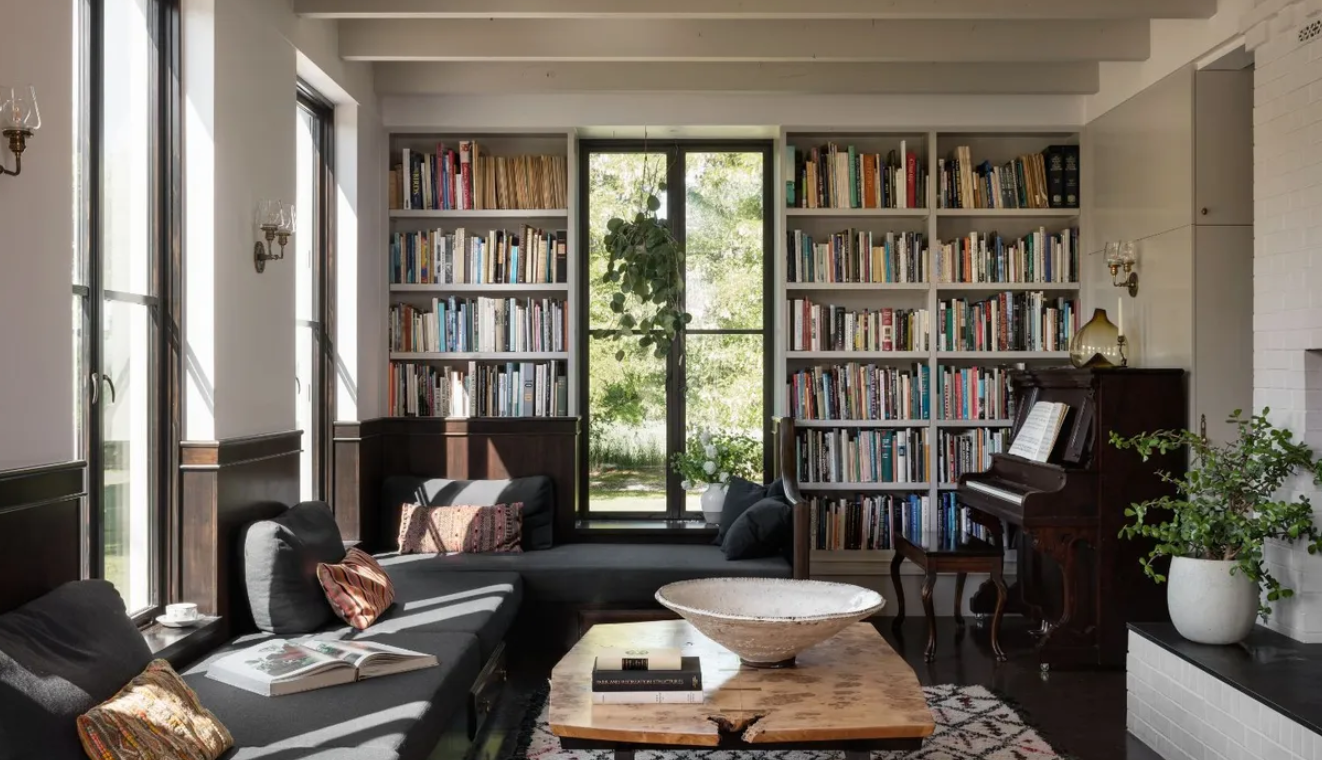
Multifunctional Spaces and Flexible Layouts
The traditional single-purpose room has become outdated. Today’s real estate home interior designs prioritize flexibility, allowing spaces to adapt to changing needs throughout the day and over time.
Home Offices That Blend Seamlessly
Remote work has permanently changed residential design requirements. Dedicated home offices remain important, but they must integrate aesthetically with the rest of the home. Murphy desks that fold into walls, stylish bookcases that double as room dividers, and attractive cable management solutions help create professional workspaces that don’t dominate living areas.
Many designers now incorporate office elements into bedrooms, living rooms, or even closets. These hybrid spaces use furniture and decor that serves dual purposes—a desk that becomes a console table, a filing cabinet that looks like a nightstand, or a closet converted into a compact workstation.
Convertible Furniture Solutions
Sofa beds, extendable dining tables, and storage ottomans maximize functionality without sacrificing style. These pieces appeal particularly to buyers of smaller properties or those seeking to use every square foot efficiently. High-quality convertible furniture has evolved significantly, offering comfort and aesthetics that rival traditional pieces.
Wall beds with built-in desks or shelving transform guest rooms into productive workspaces. Nesting tables provide flexibility for entertaining while taking minimal space when not needed. These solutions demonstrate thoughtful design that respects both space constraints and lifestyle needs.
Bold Colors and Personalized Palettes
While neutral tones remain popular for their broad appeal, accent walls and bold color choices have made significant comebacks. Today’s real estate home interior trends encourage personality and individual expression through thoughtful color application.
Strategic Color Application
Rather than painting entire rooms in daring hues, designers recommend accent walls, colorful furniture pieces, or vibrant art collections. This approach allows personality to shine while maintaining broad market appeal. Navy blues, deep greens, and terracotta oranges have replaced the grays that dominated previous years.
Color psychology plays an important role in these choices. Blue tones create calm, focused environments perfect for bedrooms or offices. Warm yellows and oranges energize kitchens and dining areas. Green connects indoor spaces with nature while promoting relaxation.
Texture and Pattern Mixing
Combining different textures—smooth metals, rough woods, soft fabrics, and glossy ceramics—adds visual interest without overwhelming spaces. Patterned throw pillows, geometric rugs, and textured wall treatments create depth and character. This layered approach makes rooms feel curated and intentional rather than sterile or generic.
Smart Home Technology Integration
Technology has become inseparable from modern living. Buyers increasingly expect homes to offer smart features that enhance convenience, security, and efficiency. Real estate home interior design now must account for technology integration from the planning stages.
Seamless Tech Incorporation
The most successful smart home features work invisibly. Speakers built into ceilings, hidden charging stations, and concealed wiring maintain clean aesthetics while providing modern functionality. Voice-activated controls for lighting, temperature, and entertainment systems offer convenience without cluttering spaces with devices.
Smart lighting systems that adjust color temperature throughout the day support natural circadian rhythms. Automated blinds maximize privacy and energy efficiency. These features appeal particularly to younger buyers who view technology as essential rather than optional.
Security and Monitoring Systems
Video doorbells, smart locks, and integrated security systems provide peace of mind while adding measurable value to properties. Buyers appreciate being able to monitor their homes remotely and grant access to guests or service providers without physical keys.
These systems have become expected features in many markets, particularly in higher-price ranges. Properties lacking smart security options may seem outdated or less desirable to tech-savvy buyers.
Minimalism Meets Warm Comfort
The cold, stark minimalism of previous decades has evolved into a warmer, more inviting aesthetic. Modern real estate home interior design balances clean lines and uncluttered spaces with comfort and personality.
The “Warm Minimalist” Approach
This trend emphasizes quality over quantity, featuring fewer but more meaningful pieces. Natural materials like wood and stone add warmth to simple designs. Soft textiles—plush rugs, cozy throws, and comfortable seating—prevent minimalist spaces from feeling unwelcoming.
Color palettes include warm whites, soft beiges, and gentle earth tones rather than stark whites and grays. This creates peaceful environments that feel both modern and livable. The goal is spaces that look magazine-worthy while genuinely comfortable for daily life.
Decluttering and Smart Storage
Built-in storage solutions, hidden cabinets, and multi-purpose furniture keep belongings organized and out of sight. Walk-in pantries, mudroom lockers, and garage organization systems demonstrate practical thinking that buyers appreciate. Clean, organized spaces photograph better and help potential buyers envision their own belongings in the home.
Vintage and Antique Elements Create Character
Mixing old and new has become a hallmark of sophisticated real estate home interior design. This trend adds personality and uniqueness that mass-produced items alone cannot achieve.
Curated Vintage Pieces
A well-chosen antique mirror, a restored mid-century credenza, or vintage light fixtures can become conversation pieces that define a space. These items provide history and character while demonstrating thoughtful curation. Buyers often respond emotionally to these touches, seeing homes as special rather than generic.
Thrift stores, estate sales, and online marketplaces make finding quality vintage pieces accessible to all budgets. The key is selecting items that complement rather than clash with modern elements.
Mixing Eras Successfully
Successful era-mixing requires balance and restraint. One or two vintage pieces per room typically works better than attempting to recreate a specific historical period. Pairing a vintage dining table with modern chairs, or placing contemporary art above an antique console, creates visual interest and depth.
Kitchen and Bathroom Trends Leading Property Value
These two rooms consistently drive property values more than any other spaces. Current real estate home interior trends for kitchens and bathrooms reflect both aesthetic preferences and practical needs.
Modern Kitchen Must-Haves
Open shelving displays beautiful dishware while making small kitchens feel larger. Matte black or brushed gold fixtures provide sophisticated alternatives to traditional chrome. Large islands with seating accommodate cooking, dining, and socializing.
Handleless cabinets create sleek, seamless appearances. Integrated appliances maintain clean lines. Quartz countertops offer durability and beauty without the maintenance requirements of natural stone.
Spa-Like Bathroom Retreats
Freestanding tubs, walk-in showers with rainfall heads, and heated floors transform bathrooms into relaxation spaces. Natural stone tiles, floating vanities, and minimalist fixtures create serene environments.
Good lighting—combining task, ambient, and accent options—makes bathrooms both functional and atmospheric. Buyers increasingly view primary bathrooms as personal retreats worth significant investment.
Frequently Asked Questions
What are the most cost-effective real estate home interior trends to implement?
Painting accent walls, adding indoor plants, updating light fixtures, and decluttering provide significant impact without major investment. These changes can dramatically improve a home’s appearance and market appeal for relatively little money.
How do interior trends affect home resale value?
Homes featuring current trends typically sell faster and for 5-15% more than comparable properties with outdated interiors. Buyers pay premiums for move-in ready homes that reflect modern aesthetics and functionality.
Should I follow trends when designing my home?
Balance timeless elements with current trends. Use neutral foundations that won’t quickly date, then add trendy elements through easily changeable items like art, textiles, and accessories. This approach keeps your home feeling current without requiring constant renovation.
What real estate home interior trends should I avoid?
Avoid extremely bold or polarizing choices that might alienate buyers, such as highly specific color schemes or unconventional layouts. Also skip trendy but low-quality materials that won’t age well or withstand daily use.
How often do interior design trends change?
Major trends typically evolve over 3-5 years, though specific elements may shift more quickly. Following broader movements—like sustainability or technology integration—rather than fleeting fads provides better long-term value.
Are expensive renovations always worth it for resale?
Not necessarily. Minor updates to kitchens and bathrooms typically return 70-80% of investment, while major renovations may only return 50-60%. Focus on improvements that address functional issues and aesthetic updates that appeal to your target market.
Creating Timeless Appeal in Your Real Estate Investment
Successfully implementing real estate home interior trends requires balancing current preferences with timeless appeal. The most valuable approach combines durable, classic elements with thoughtful trend incorporation through easily updated features. This strategy protects your investment while keeping your property competitive in evolving markets.
Remember that trends serve as guidelines, not rigid rules. Your home should ultimately reflect your needs and personality while appealing to potential future buyers. The most successful interiors feel both current and comfortable, stylish and livable.
Pay attention to your local market, as trends can vary significantly by region and price point. What appeals to buyers in urban lofts may differ from preferences in suburban family homes. Research comparable properties in your area to understand what features command premium prices in your specific market.
Quality always matters more than trendiness. Well-made, thoughtfully chosen pieces that serve real purposes will always outperform cheap, trendy items that look dated within months. Invest in elements you’ll enjoy for years while remaining open to refreshing accessories and accents as tastes evolve.
The real estate home interior landscape continues evolving as lifestyles, technologies, and values shift. Staying informed about these changes helps homeowners make smart decisions that enhance daily living while protecting and increasing property values. Whether you’re preparing to sell, buy, or simply improve your current space, these trends provide a roadmap for creating homes that feel both perfectly current and enduringly appealing.
Your home represents likely your largest financial investment and your most personal space. Understanding and thoughtfully applying current interior trends ensures it serves both purposes beautifully, providing comfort and joy today while maintaining its value for tomorrow’s market.