
Why the Way Your Home Looks Can Make or Break the Sale
First impressions matter — especially in real estate. The moment a buyer walks through your front door, they start judging. And that judgment happens fast. We’re talking within seconds.
Good property interior design can be the difference between a quick sale at a great price and a home that sits on the market for months. You don’t need to spend a fortune either. Smart, targeted changes can completely transform how a buyer feels inside your home.
In this article, you’ll find 10 powerful interior design ideas that are proven to speed up sales. Each tip is practical, budget-friendly, and easy to apply — even if you’ve never thought about design before. Whether you’re selling a small apartment or a large family home, these strategies will help you present your property in the best possible light.
Let’s dive in.
1. Clear the Clutter Before Anything Else
Less Stuff = More Space in the Buyer’s Eyes
Before you repaint walls or rearrange furniture, start with the simplest step: decluttering. It costs nothing, but it makes a massive impact.
When a home is packed with personal items, furniture, and random stuff, buyers struggle to imagine themselves living there. The space feels smaller, darker, and harder to connect with emotionally.
Here’s a simple rule: if it doesn’t serve the room, remove it.
That means clearing off kitchen counters, emptying overstuffed closets, reducing decorative items to just a few key pieces, and removing personal photos from walls and shelves. Buyers want to picture their life in your home — not yours.
What to Remove First
| Area | Items to Remove |
|---|---|
| Living Room | Extra furniture, old magazines, too many cushions |
| Kitchen | Appliances on counters, fridge magnets, excess utensils |
| Bedroom | Personal photos, cluttered nightstands, extra clothing |
| Bathroom | Personal toiletries, old towels, unnecessary products |
| Hallway | Shoes, bags, coats, random items near the entrance |
Professional organizers and real estate agents consistently say that decluttering is the single highest-return action a seller can take — and it’s completely free.
2. Paint Walls in Neutral, Buyer-Friendly Colors
The Power of a Fresh Coat of Paint
Paint is one of the cheapest and most effective tools in property interior design. A fresh coat of paint instantly makes a home look cleaner, newer, and more appealing.
But here’s the key: not all colors work equally well for selling.
Bold colors like deep red, bright orange, or dark navy may be your personal favorites — but they can turn buyers off. Why? Because people have different tastes, and when a buyer sees a bright red dining room, the first thing they think is “I’ll have to repaint this.”
That’s extra cost and effort. And buyers hate that.
Best Paint Colors for Selling a Home
Stick with warm neutrals and soft, calming shades. These appeal to the widest range of buyers.
Top recommended colors:
- Warm White – Makes rooms feel airy and bright
- Greige (gray-beige blend) – Very popular, feels modern and cozy
- Soft Sage Green – Trending in kitchens and bathrooms
- Light Gray – Works well in living areas and bedrooms
- Cream or Off-White – Classic and timeless
These colors work as a blank canvas. Buyers can easily imagine their own furniture and style fitting right in — which makes them more likely to buy.
3. Let Natural Light Do the Heavy Lifting
Bright Homes Sell Faster — Period
Light is everything in real estate. Bright, airy spaces feel welcoming, larger, and more valuable. Dark, gloomy rooms feel uninviting and small.
The good news? You can dramatically improve how much light your home gets without knocking down walls.
Start by opening all blinds and curtains — especially before viewings. Wash your windows inside and out. Replace heavy drapes with light, sheer curtains that let sunlight in.
Next, look at your light bulbs. Swap out yellow, dim bulbs for bright daylight LED bulbs (around 4000–5000K color temperature). They make a room look fresh and modern without any renovation.
Quick Lighting Upgrade Checklist
- ✅ Open all window coverings before every showing
- ✅ Add mirrors opposite windows to bounce light around the room
- ✅ Replace dim bulbs with bright LED daylight bulbs
- ✅ Remove dark or heavy window treatments
- ✅ Add floor lamps or table lamps to dark corners
- ✅ Trim any outdoor plants that block window light
Lighting is one of the most underrated tools in home interior design for sales. Don’t overlook it.
4. Stage Each Room With a Clear Purpose
Every Room Needs One Clear Job
Room staging is a core strategy in professional property interior design. The idea is simple: every room should tell a clear story about what it’s used for.
A spare room that’s being used as a storage dump confuses buyers. But turn that same room into a clean, styled home office or a neat guest bedroom — and suddenly it adds real value in the buyer’s mind.
Staging doesn’t mean you need to hire a professional (though that does help). It means arranging furniture and decor to highlight each room’s best features and make it feel purposeful.
Room Staging Ideas by Room Type
| Room | Staging Goal | Key Tips |
|---|---|---|
| Living Room | Relaxed, welcoming gathering space | Arrange seating to face each other, add throw pillows |
| Master Bedroom | Calm, hotel-like retreat | Use white bedding, matching side tables, soft lighting |
| Kitchen | Clean, functional, and modern | Clear counters, add a fruit bowl or fresh flowers |
| Home Office | Productive, organized workspace | Add a desk, chair, simple shelving, and good lighting |
| Dining Room | Formal yet inviting eating area | Set the table, add a centerpiece, use candles |
| Bathroom | Spa-like and relaxing | Rolled towels, a plant, matching accessories |
When each room has a clear identity, buyers feel like they’re walking into a home that’s ready to live in. That emotional connection is what drives offers.
5. Upgrade the Kitchen Without a Full Renovation
Small Kitchen Fixes That Add Big Value
The kitchen is the heart of a home — and buyers know it. A dated or tired kitchen can seriously drag down the perceived value of an entire property.
But here’s the good news: you don’t need a full renovation to make a kitchen look amazing.
Strategic, budget-friendly updates can make a 10-year-old kitchen look fresh and modern without spending thousands. This is where smart property interior design thinking really pays off.
High-Impact Kitchen Updates on a Budget
Cabinet makeover: Instead of replacing cabinets, repaint them. A coat of white or navy paint on wooden cabinets looks completely transformative. Add new handles and knobs — they’re cheap and make a huge visual difference.
Countertop refresh: If your countertops are stained or outdated, consider refinishing them or using peel-and-stick countertop covers. They’re surprisingly convincing and cost a fraction of replacement.
Modern backsplash: Peel-and-stick tile backsplashes are affordable, easy to install, and look great in photos.
New faucet: A modern faucet costs around $50–$150 and instantly upgrades the look of a sink.
Under-cabinet lighting: LED strip lights under cabinets add a high-end, modern feel for very little money.
These changes combined can make a kitchen look like it was renovated, even when it wasn’t.
6. Focus on Curb Appeal — The First Look Counts
What Buyers See Before They Even Step Inside
Curb appeal is the exterior version of staging. And it matters enormously. If a buyer pulls up to your home and the outside looks worn, messy, or uninviting — their expectations drop before they even open the door.
On the other hand, a well-maintained exterior with a welcoming entrance creates excitement. Buyers arrive already feeling positive, and that emotion carries through the entire viewing.
Easy Curb Appeal Improvements
- Fresh front door paint: A bold but classic color like black, navy, or deep red makes a statement
- New house numbers: Modern metal numbers are cheap and look sharp
- Clean driveway and path: Pressure wash concrete and paving stones
- Potted plants by the entrance: Add two matching potted plants or topiaries either side of the door
- Trim hedges and lawn: Neat, tidy greenery signals the home is well cared for
- Replace the mailbox: Often overlooked, but a worn mailbox cheapens the look
- Outdoor lighting: Solar-powered path lights are affordable and add charm
Think of curb appeal as the book cover. Buyers may not admit to judging it — but they absolutely do.
7. Use Mirrors and Decor Strategically
Design Tricks That Make Rooms Feel Bigger
One of the cleverest tricks in property interior design is using mirrors to make a space feel larger and brighter. A large mirror on a wall opposite a window reflects natural light and visually doubles the sense of space.
This is especially powerful in smaller rooms like hallways, bathrooms, and compact living areas.
Beyond mirrors, the strategic placement of decor items can either enhance or clutter a space. The goal is to create a “curated” look — like the home belongs in a lifestyle magazine.
Decor Principles for a Faster Sale
Rule of three: Group decor items in odd numbers (especially threes). Three items of varying heights on a shelf look intentional and stylish.
Consistent color palette: Limit each room to 2–3 complementary colors. Too many colors create visual noise.
Natural elements: Plants, wood, stone, and linen textures add warmth and make spaces feel alive.
Quality over quantity: One large, beautiful piece of art on a wall looks far better than six small, random prints.
Fresh flowers or greenery: A vase of fresh flowers on a dining or kitchen counter is one of the oldest tricks in real estate — and it still works.
These small decisions add up. A cohesive, well-styled home communicates pride of ownership — and that makes buyers trust the property more.
8. Deep Clean Everything — Including the Hidden Spots
Clean Homes Signal Well-Maintained Homes
No amount of beautiful interior design for property sales will save a dirty home. Buyers notice everything — especially the things you forgot about.
A deep clean goes far beyond regular tidying. We’re talking about the grout between tiles, the inside of kitchen cabinets, the tracks on sliding doors, the baseboards, and behind appliances.
A spotless home sends a powerful subconscious message: “This property has been well cared for.” That reduces buyer concerns and removes a major psychological barrier to making an offer.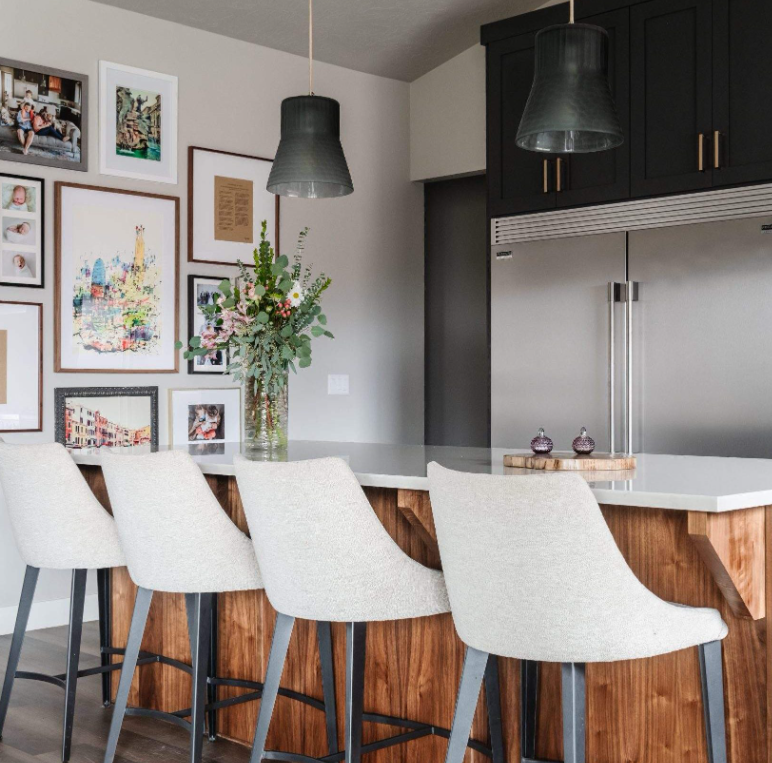
Deep Cleaning Checklist for Sellers
| Area | What to Clean |
|---|---|
| Kitchen | Inside oven, under fridge, cabinet interiors, exhaust fan |
| Bathrooms | Grout lines, showerhead, toilet base, behind toilet |
| Living Areas | Skirting boards, light switches, window tracks, air vents |
| Floors | Steam clean carpets, polish hardwood, clean tile grout |
| Windows | Inside and outside glass, frames, and sills |
| Outdoor | Pressure wash paths, clean gutters, wash patio furniture |
Consider hiring a professional cleaning company for a pre-sale deep clean. The cost (usually $150–$400 depending on home size) is well worth the impression it creates.
9. Appeal to the Senses — Not Just Sight
A Home That Feels Good Gets Offers Faster
Most sellers focus only on how a home looks. But smart property interior design for fast sales also considers how a home smells, sounds, and feels.
Smell, in particular, is incredibly powerful. Buyers may not consciously register a scent — but a bad smell (pet odors, damp, stale cooking) will make them uneasy and keen to leave. A pleasant, fresh smell makes them linger longer.
Multi-Sensory Staging Tips
Smell:
- Air out the home thoroughly before viewings
- Bake bread or cookies an hour before (a classic trick that genuinely works)
- Use subtle, non-overpowering diffusers — clean linen or light citrus scents work best
- Avoid heavy plug-in air fresheners, which can signal you’re hiding something
Sound:
- Play soft background music during viewings — instrumental jazz or acoustic music works well
- Fix squeaky doors, loose floorboards, and rattling windows before showings
Touch/Feel:
- Use soft textiles — plush rugs, velvet cushions, quality bedding
- Keep the home at a comfortable temperature
- Ensure all light switches and doors work smoothly
These sensory details create an overall feeling of comfort and quality. When buyers feel comfortable, they stay longer. And the longer they stay, the more they attach — and the more likely they are to make an offer.
10. Invest in Professional Photography After Staging
Great Photos = More Viewings = Faster Sale
Here’s a truth many sellers overlook: most buyers first see your home online. That means photos aren’t just nice to have — they’re your first (and sometimes only) chance to make an impression.
After applying all the staging and design improvements above, professional photography is the final, essential step. A skilled real estate photographer knows how to capture the best angles, use lighting correctly, and make each room look its absolute best.
The difference between amateur phone photos and professional real estate photography is dramatic. Studies consistently show that homes with professional photos sell faster and for more money.
Professional Photos vs. Amateur Photos
| Factor | Amateur Phone Photos | Professional Photography |
|---|---|---|
| Lighting | Often dark or washed out | Perfectly balanced and bright |
| Angles | Awkward, cramped views | Wide-angle, spacious shots |
| Editing | None or poor filtering | Professional post-processing |
| First Impression | Can deter buyers | Attracts more clicks and viewings |
| Sale Speed | Slower | Noticeably faster |
| Return on Investment | Low | High (cost: $150–$300) |
Think of professional photography as the final layer in your property interior design strategy. All the hard work you’ve done deserves to be shown off properly.
How These 10 Ideas Work Together
No single tip above is a magic solution on its own. But when you layer them together, the cumulative effect is powerful.
Here’s a simple overview of the full strategy:
PHASE 1 — PREPARE
  └── Declutter + Deep Clean

PHASE 2 — REFRESH
  └── Neutral Paint + Natural Light + Curb Appeal

PHASE 3 — STAGE
  └── Room Staging + Kitchen Updates + Mirrors & Decor

PHASE 4 — APPEAL
  └── Multi-Sensory Staging + Professional Photography
Moving through these phases in order ensures you’re not wasting money on photography before the staging is done, or staging before the clutter is cleared. It’s a smart, efficient process that any homeowner can follow.
Average Cost vs. Return for Each Strategy
| Strategy | Estimated Cost | Potential Value Added |
|---|---|---|
| Decluttering | Free | High |
| Neutral Paint Job | $200–$800 | High |
| Lighting Upgrades | $50–$200 | Medium–High |
| Room Staging (DIY) | $0–$300 | High |
| Kitchen Quick Fixes | $100–$500 | Very High |
| Curb Appeal Updates | $100–$400 | High |
| Mirrors & Decor | $50–$300 | Medium |
| Professional Deep Clean | $150–$400 | Medium–High |
| Multi-Sensory Staging | $30–$100 | Medium |
| Professional Photography | $150–$300 | Very High |
| Total Range | $830–$3,300 | Significant ROI |
Considering that homes that sell quickly and at asking price can save sellers thousands in mortgage payments, carrying costs, and price reductions — this investment almost always pays for itself.
Frequently Asked Questions (FAQs)
What is the most important property interior design tip for selling fast?
Decluttering and deep cleaning have the highest return on investment. They’re free (or nearly free) and immediately make any home look more appealing and well-maintained. After that, neutral paint and good lighting are the next most impactful changes.
Do I need to hire a professional interior designer to sell my home faster?
Not necessarily. Many of the strategies in this article — like decluttering, painting in neutral colors, and staging rooms — can be done yourself. However, if your budget allows, a professional home stager or interior consultant can add significant value, particularly for higher-priced properties.
How much should I spend on staging before selling?
Most real estate experts recommend spending 1–3% of your home’s listing price on preparation and staging. For a $300,000 home, that’s $3,000–$9,000. However, with DIY strategies, you can achieve excellent results for under $1,500.
Does property interior design actually affect the sale price?
Yes, significantly. Research from the National Association of Realtors (NAR) and various real estate studies consistently shows that staged and well-presented homes sell faster and often for 5–15% more than comparable unstaged properties.
What colors should I avoid when painting my home to sell?
Avoid highly personal or bold colors like bright red, dark navy, stark black, orange, and very dark gray. These colors appeal to a narrow range of buyers and signal repainting costs. Stick with warm whites, greige, soft green, and light gray instead.
Should I update the kitchen and bathrooms before selling?
You don’t need a full renovation. Focus on cosmetic updates — new cabinet hardware, fresh paint on cabinets, updated fixtures, and thorough cleaning. These changes deliver strong visual impact without the cost or disruption of a full remodel.
How soon before listing should I make these design changes?
Ideally, start 4–6 weeks before you plan to list. This gives you enough time to complete painting, repairs, deep cleaning, staging, and professional photography without feeling rushed.
The Bottom Line: Design Your Way to a Faster Sale
Selling a home quickly isn’t just about luck or timing. It’s about presenting your property in a way that makes buyers fall in love at first sight.
Every tip in this guide is based on one simple principle: help the buyer imagine their life in your home. Remove the distractions. Highlight the space. Create warmth and light. Make it clean, inviting, and easy to picture.
Good property interior design doesn’t require a huge budget or professional training. It requires thoughtful decisions, a buyer’s mindset, and the willingness to put in a little work before listing.
Follow these 10 ideas in order, invest where it matters most, and you’ll give your property the best possible chance of selling fast — and at the price you deserve.