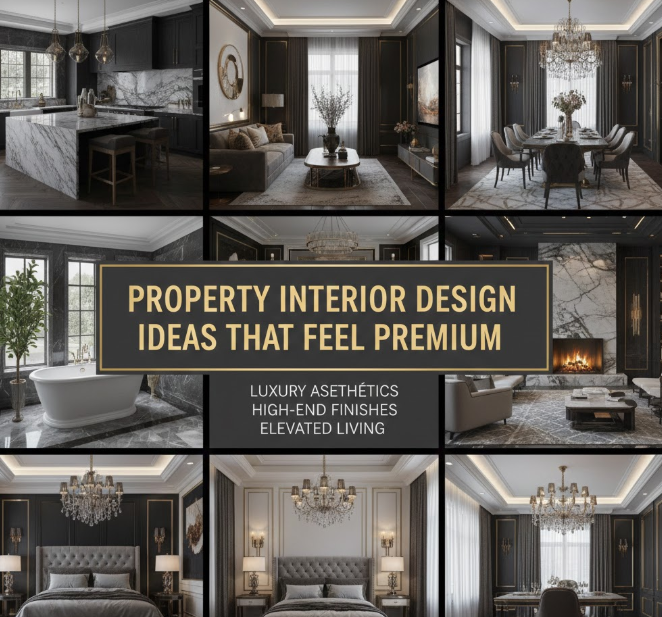
Why Your Home Deserves a Premium Feel
Great property interior design doesn’t have to cost a fortune. In fact, some of the most stunning homes you’ve ever seen were built on smart choices, not big budgets. The secret? Knowing which details actually matter — and which ones most people overlook.
Whether you’re decorating a small apartment or styling a large family home, the goal is the same. You want a space that feels intentional, polished, and warm. A space that says this was designed with care.
This guide walks you through practical, creative, and highly effective interior design ideas. Every tip here is easy to follow and even easier to apply. By the end, you’ll know exactly how to make any room feel richer, more refined, and genuinely impressive.
The Foundation: Getting the Basics Right First
Before you buy a single piece of furniture or choose a paint color, you need a solid foundation. Premium-looking spaces always start with good bones.
Start With a Clear Design Direction
Pick a style and commit to it. Mixing too many styles creates visual noise. Popular directions include:
| Design Style | Key Features | Best For |
|---|---|---|
| Modern Minimalist | Clean lines, neutral tones, open space | Small apartments, studios |
| Warm Contemporary | Soft textures, earthy tones, mixed materials | Family homes, living rooms |
| Classic Elegant | Symmetry, rich colors, detailed furniture | Formal spaces, dining rooms |
| Japandi | Simplicity, natural wood, calm palette | Bedrooms, home offices |
| Industrial Chic | Exposed surfaces, metal accents, raw textures | Loft spaces, open-plan homes |
Once you choose a direction, every other decision becomes easier. Your furniture, colors, and accessories should all speak the same design language.
Fix the Proportions Before Anything Else
Rooms often feel “off” because the proportions are wrong. A massive sofa in a tiny room looks awkward. A small rug under large furniture feels cheap.
Here’s a quick rule: your rug should be large enough that at least the front legs of all your main furniture sit on it. Your sofa should leave roughly 18 inches of walkway on either side. Your art should hang at eye level — about 57 to 60 inches from the floor to the center of the piece.
Getting proportions right costs nothing. But it changes everything.
Color: The Most Powerful Tool in Property Interior Design
Color is the single biggest lever you have in home design. It sets the mood, changes how large a room feels, and determines whether a space feels cozy or cold.
Choose a Three-Color Palette and Stick to It
Professional designers often use the 60-30-10 rule:
- 60% of the room is your dominant color (walls, large furniture)
- 30% is your secondary color (curtains, accent chairs, rugs)
- 10% is your accent color (cushions, art, small decorative items)
This formula works in nearly every space because it creates balance without being boring.
Paint Colors That Instantly Elevate a Room
Some paint colors just read as premium. Here are a few that consistently create a high-end feel:
Warm Neutrals: Creamy whites, warm beige, and soft greiges (grey-beige blends) make rooms feel refined without being stark.
Moody Tones: Deep navy, forest green, and charcoal create a rich, layered look that feels very intentional.
Earthy Mid-Tones: Terracotta, dusty rose, and warm olive bring warmth and a lived-in sophistication.
Pro Tip: Paint your trim and ceiling the same color as your walls (or a slightly lighter shade) for a seamless, high-end look that makes rooms feel taller and more polished.
Accent Walls Done Right
An accent wall can look either stunning or cheap — and the difference is in the execution. For a truly elevated look:
- Use textured paint, limewash, or plaster finish instead of a flat color
- Choose a wall that naturally draws the eye (behind a bed, behind a sofa)
- Avoid placing an accent wall on a wall with doors or windows — it breaks the visual impact
Furniture Choices That Signal Quality
You don’t need expensive furniture to create a premium look. You need the right furniture placed the right way.
Invest in One Hero Piece Per Room
Every well-designed room has one piece that anchors the space. In a living room, it might be a beautifully shaped sofa. In a bedroom, it could be a stunning upholstered bed frame. In a dining room, it might be a solid wood table with an interesting grain.
Make this one piece count. Spend more on it if you can. Then build the rest of the room around it using more affordable finds.
The Power of Legs
Furniture with visible legs makes a room feel more open and airy. Pieces that sit directly on the floor can make a space feel heavy and cluttered. Even simple furniture looks more elegant when it’s lifted off the ground.
This is especially effective in smaller rooms where you want the floor to visually breathe.
Choose Quality Over Quantity
A room with five carefully chosen pieces looks more premium than a room stuffed with fifteen average ones. Edit your space ruthlessly. If a piece doesn’t serve a function or add beauty, it probably doesn’t belong there.
Lighting: The Detail That Changes Everything
Lighting is the most underrated element in property interior design. It’s also the one that makes the biggest difference to how a space feels at different times of day.
Layer Your Lighting for a Richer Effect
Premium spaces never rely on a single overhead light. Instead, they layer multiple light sources:
| Lighting Type | Purpose | Examples |
|---|---|---|
| Ambient | General illumination | Ceiling fixtures, recessed lights |
| Task | Focused light for specific activities | Desk lamps, under-cabinet lights |
| Accent | Highlights features or creates drama | Wall sconces, picture lights |
| Decorative | Acts as a visual feature itself | Pendant lights, chandeliers |
Using all four layers in a room creates depth, warmth, and a genuinely luxurious feel.
Warm Bulbs Are Non-Negotiable
Cool white bulbs make homes feel clinical and harsh. Warm bulbs (2700K–3000K on the Kelvin scale) create a soft, golden glow that makes every surface look better. Swap your bulbs before spending a single dollar on new decor.
Make a Statement With Your Light Fixtures
A beautiful pendant light or an interesting floor lamp does double duty — it provides light AND acts as a decorative piece. Don’t settle for builder-grade fixtures. A distinctive light fitting can transform an ordinary ceiling into a focal point.
Texture and Layering: How to Add Depth to Any Room
Flat, one-dimensional rooms feel boring. Premium spaces always have layers — different textures, materials, and finishes that make the eye want to explore.
Mix Materials for Visual Interest
Here’s a simple formula that works beautifully in any room:
- One hard, reflective surface (glass, metal, lacquered wood)
- One soft textile (linen, velvet, wool)
- One natural element (wood, stone, ceramic, plants)
This combination creates contrast and richness without looking cluttered.
The Art of Textile Layering
Cushions, throws, and rugs are not just comfort items — they’re design tools. For a premium layered look:
- Use cushions in varying sizes (e.g., 20″, 18″, and 16″ on the same sofa)
- Mix solid colors with subtle patterns
- Choose natural fabrics like linen, velvet, and cotton for a more upscale feel
- Add a chunky knit throw draped casually over one arm of a sofa or chair
Statement Rugs Ground the Whole Room
A rug is one of the most impactful pieces in any room. It defines the zone, adds warmth, and brings the whole design together. Choose a rug that’s large enough to anchor your furniture arrangement. A rug that’s too small is one of the most common mistakes in home styling.
Smart Space Planning: The Layout That Makes Rooms Feel Larger
How you arrange your furniture has a direct impact on how expensive your space looks. Even the best furniture can look awkward in a poorly planned layout.
Pull Furniture Away From the Walls
One of the most common mistakes people make is pushing all furniture against the walls. This actually makes rooms feel smaller and less connected. Pulling your sofa and chairs slightly away from the wall creates a more intimate, intentional arrangement that looks far more professional.
Create Conversation Zones
In larger living spaces, group furniture into clusters that encourage conversation. Two chairs facing a sofa, with a small table between them, creates a purposeful zone. It looks designed rather than default.
Clear the Floor
Clutter on the floor instantly makes a space feel smaller and cheaper. Keep floor surfaces as clear as possible. Use storage solutions — ottomans with hidden compartments, built-in shelving, floating shelves — to keep things tidy without sacrificing function.
Details That Designers Always Get Right
The difference between a room that looks designed and one that looks thrown together often comes down to the small details.
Curtains That Frame, Not Just Cover
Curtains are one of the most visible and impactful soft furnishings in any room. For a premium look:
- Hang curtains as close to the ceiling as possible (not just above the window)
- Let curtains extend 6–12 inches wider than the window on each side
- Choose floor-length curtains that just kiss the floor or pool slightly
- Go for linen, velvet, or cotton in solid, sophisticated tones
These four rules alone can make a room look dramatically more expensive.
Hardware and Fixtures: Tiny Changes, Big Impact
Door handles, cabinet knobs, tap fittings, and light switch plates are easy to overlook. But they’re visible in every corner of your home. Swapping out cheap brass or plastic hardware for matte black, brushed gold, or brushed nickel alternatives is a low-cost upgrade that reads as high-end.
Art and Mirrors: The Walls Have Stories to Tell
Blank walls feel unfinished. But over-cluttered walls feel chaotic. The sweet spot is intentional wall styling:
- Choose art that means something to you — it shows in the curation
- Group smaller pieces in a gallery wall arrangement (odd numbers work best)
- Use one large-scale piece for maximum impact in key areas
- Hang mirrors strategically to reflect light and expand the visual space
Room-by-Room Premium Design Tips
Each room in a home has its own design priorities. Here’s how to apply premium property interior design principles to each key space.
Living Room: Where First Impressions Live
The living room sets the tone for your entire home. Focus on:
- A well-proportioned sofa in a quality fabric
- Layered lighting with at least three sources
- A large, beautiful rug that anchors the seating area
- One statement piece — art, a light fixture, or an architectural detail
Bedroom: Your Personal Sanctuary
A premium bedroom feels calm, clean, and deeply comfortable. Key elements include:
- High-quality bedding in crisp white or soft neutral tones
- Matching bedside lamps (symmetry is key here)
- Blackout or lined curtains that hang floor-to-ceiling
- Minimal, purposeful decor — less is genuinely more in a bedroom
Kitchen: Functional Beauty in Every Corner
Kitchens can look premium without a full renovation. Consider:
- Replacing cabinet hardware with sleek, modern alternatives
- Adding under-cabinet lighting for warmth and practicality
- Using open shelving to display beautiful ceramics or glassware
- Keeping countertops as clear as possible for a clean, professional look
Bathroom: Spa Vibes on Any Budget
Even small bathrooms can feel luxurious. Focus on:
- White or neutral towels folded neatly, hotel-style
- Decanting soaps and lotions into beautiful glass dispensers
- Adding a tray or small plant to countertops for a styled look
- Replacing the toilet seat and flush mechanism if they’re tired or outdated
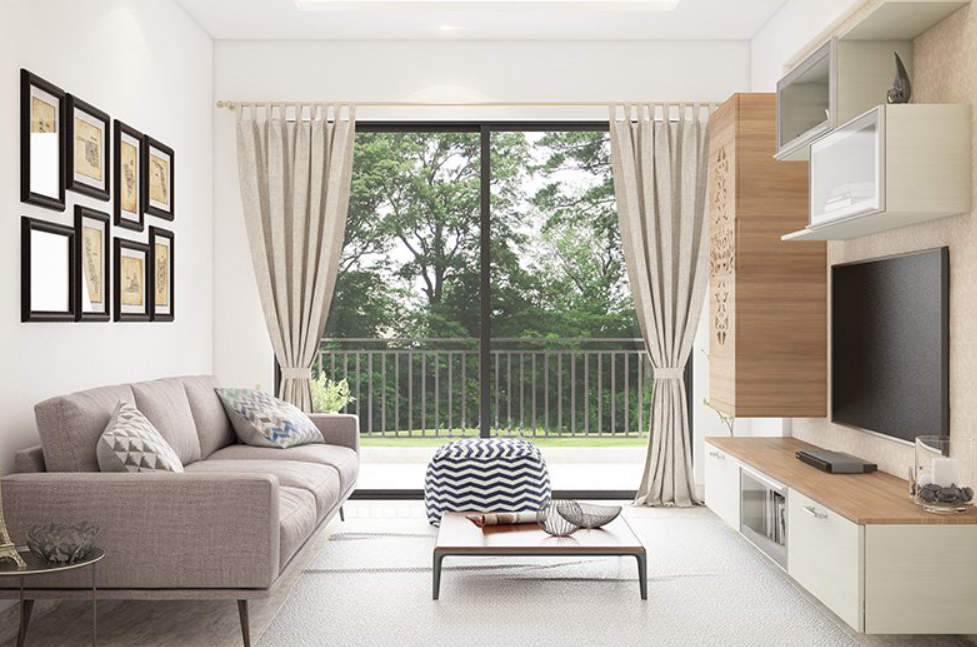
Biophilic Design: Bringing Nature Indoors
One of the strongest trends in modern property interior design is biophilic design — the practice of connecting interior spaces to the natural world. Research consistently shows that natural elements in the home reduce stress and increase wellbeing.
Plants as Design Elements
Plants add life, color, and organic texture to any room. For a premium effect:
- Use large statement plants (like fiddle-leaf figs or monstera) as focal points
- Group smaller plants in varying heights for a layered, lush look
- Choose quality pots that complement your color palette — avoid plastic nursery pots
Natural Materials Throughout the Home
Incorporate stone, wood, rattan, jute, and clay wherever possible. These materials age beautifully and give a space a warmth that synthetic materials can never fully replicate. Even small touches — a stone soap dish, a wooden bread board displayed on the counter, a rattan pendant light — add genuine richness to a room.
DIY vs. Professional Help: When to Call in an Expert
Not every design challenge needs a professional. But some situations genuinely benefit from expert guidance.
| Scenario | DIY or Pro? | Reason |
|---|---|---|
| Choosing a paint color | DIY | Personal preference, low risk |
| Space planning a large room | Pro recommended | Layout errors are costly to undo |
| Full kitchen or bathroom remodel | Pro required | Structural and plumbing work involved |
| Styling shelves and surfaces | DIY | Low-cost, easily reversible |
| Custom cabinetry or built-ins | Pro recommended | Requires precise measurement and skill |
| Selecting a rug and furniture | DIY | Using this guide as a reference |
Working with an interior designer — even for a single consultation — can save you significant time and money. Many designers now offer one-hour paid consultations that are incredibly valuable.
Budget Breakdown: Premium Look at Every Price Point
Here’s a rough guide to how much you might spend to achieve a premium look in different scenarios:
| Budget Level | What You Can Achieve | Focus Areas |
|---|---|---|
| Under $500 | Significant refresh | Paint, new hardware, cushions, lighting |
| $500–$2,000 | Room transformation | New rug, curtains, statement light, art |
| $2,000–$7,000 | Full room redesign | Quality sofa, furniture pieces, flooring |
| $7,000–$20,000 | Whole-home styling | Multiple rooms, custom elements |
| $20,000+ | Full renovation | Structural changes, custom cabinetry |
The most important insight here is that the first two budget levels — under $2,000 — can produce genuinely stunning results. The key is knowing where to spend and where to save.
Common Interior Design Mistakes to Avoid
Even well-intentioned home designers fall into these traps. Knowing about them in advance saves you time, money, and frustration.
Matching everything too perfectly: Perfectly matched sets of furniture look like a showroom catalog, not a home. Mix pieces from different sources for a more curated, personal look.
Ignoring scale: Buying furniture without measuring first is one of the costliest mistakes. Always measure your space AND the furniture before purchasing.
Underestimating lighting: If there’s one thing to spend more on, it’s lighting. Good lighting can make cheap furniture look expensive. Bad lighting can make expensive furniture look cheap.
Rushing the process: Rooms that feel truly personal and premium are usually built over time. Don’t feel the need to finish a room all at once. Buy less, but buy better.
Following every trend: Trends come and go. Design your home around what you genuinely love and what will stand the test of time.
FAQs: Property Interior Design Answered
Q: What is the most important element in property interior design? Lighting is often considered the single most impactful element. It affects how colors look, how large a room feels, and the overall mood of the space. After lighting, proportion and layout make the biggest difference.
Q: How do I make a small room look more expensive? Use light, warm paint colors. Choose furniture with visible legs. Hang curtains high and wide. Use a large mirror to reflect light. Keep surfaces clutter-free. These techniques together create the illusion of more space and more refinement.
Q: Can I achieve a premium interior design look on a tight budget? Absolutely. Paint is the highest-impact, lowest-cost change you can make. New hardware, better lighting, quality cushions, and a good rug can all transform a room for well under $500. Focus on a few key changes rather than spreading your budget thin across many small purchases.
Q: What design style is most popular right now? Warm minimalism and Japandi (a blend of Japanese and Scandinavian aesthetics) are consistently popular. Both emphasize natural materials, clean lines, and a calming palette. However, the best design style is one that reflects your personal taste and lifestyle.
Q: How often should I redecorate? There’s no set rule. A good interior design should last at least 5–10 years with minor updates along the way. Rather than redecorating entire rooms, refresh spaces seasonally with small changes — new cushions, swapping art, adding plants, or changing a throw blanket.
Q: What’s the best way to start a home interior design project? Start with a clear brief: decide on your style direction, identify what you love and dislike about your current space, and set a realistic budget. Then tackle one room at a time, starting with the space you spend the most time in.
Q: Do I need to hire an interior designer? Not necessarily. Many people successfully design their own homes using guides like this one, design apps, and online mood board tools. However, for complex projects — like open-plan living redesigns or kitchen renovations — a professional consultation is worth the investment.
Bringing It All Together: Your Premium Home Starts Today
Great property interior design isn’t about spending the most money. It’s about making intentional choices that add up to something beautiful. It’s about understanding proportion, color, light, and texture — and then applying those principles room by room.
The homes that feel truly premium aren’t the ones filled with the most expensive things. They’re the ones where every detail has been considered. Where the lighting is warm. Where the furniture fits the space. Where there’s a clear style direction and a sense of personal identity woven through every room.
You now have the tools to create exactly that kind of home.
Start with one room. Pick your palette. Fix your lighting. Choose one hero piece. Layer your textures. And then step back and see what a difference intentional design truly makes.
Your home is one of the most important environments in your life. It deserves to feel like it was designed just for you — because with the right approach, it can be.