First impressions count more than you probably think when selling a home. That’s where real estate interior design becomes your secret weapon. It’s not just about a space looking pretty: A well-designed room can help buyers see themselves living their lives in those rooms. Thoughtful design can turn a maybe into a sold sign on your lawn faster than you may have imagined.
The world of real estate is a fast moving market. Buyers swipe through dozens of listings before deciding which feature homes are worth their time. Your property has to impress in those initial few seconds. These professional interior design tips help rooms feel more welcoming, open and ready to move into. Whether you’re selling a cozy apartment or sprawling family home, these strategies apply.
Expensive renovations are the only way to succeed, many sellers believe. That’s not true. Strategic design doesn’t have to be expensive (chic window coverings from Target work pretty well too); often it is what you’re spending on anyway — less than a master bath renovation, for example. The right placement of furniture, choice of wall colors and little flourishes of decoration are responsible for forging an emotional bond with potential buyers. And these connections, in turn, convert into offers.
This guide provides seven tested tips that agents use to listen to buyers. Practical strategies to consider for all kinds of budgets and timelines await on the other side. Each tip is about designing spaces that have the most appeal to the broadest swath of buyers. Let’s turn your property into a home buyers can’t refuse.
1. Establish a Blank Slate That Engages All People
Neutral doesn’t mean boring. It entails providing buyers with a blank canvas upon which they can imagine their own style coming to life. When designing estates, home staging starts with the removal of anything that is either too personal or strongly dividing. Think of it as building a foundation that gets everybody through the door.
Large walls with loud red accents might suit your personality. But they may cause buyers to home in on what it will cost to paint your home, rather than its best features. Warm beiges, soft grays and crisp white colors seem to work better. Those colors add up to bigger, brighter-feeling rooms. Online, they photograph very well for listings.
Begin by repainting walls with neutral colors. Select colors that have warm undertones and you won’t get that sterile hospital vibe. Benjamin Moore’s Revere Pewter or Sherwin Williams’ Accessible Beige are both favorite options. Available in multiple colors and textures to allow some light in while protecting your furniture against damage.
Take the Personal Out of Your Home
Your family vacation photographs chronicle your story — but buyers have to write their own. Tuck away family photos, quirky collections or anything that shouts “this is MY space.” Religious objects, political memorabilia and hobby-oriented tchotchkes should be stashed away as well.
Substitute personal items with universal decorations. Fresh flowers, minimal artwork and tasteful accessories also look good. A bowl of lemons on the counter of your kitchen, a stack of coffee table books reads like life without personality. The point is to make the room seem lived-in but NOT by YOU.
Balance Neutral with Warmth
All-white rooms can be cold and uninviting. Warm it up by employing texture and natural materials. Woven baskets, wooden bowls and linen throw pillows add visual interest. Layering various neutrals adds depth. A cream sofa paired with taupe pillows and a light gray throw blanket appears carefully planned and welcoming.
Neutrals come to life with organic additions. Indoor plants, wood cutting boards and stone accessories lend organic warmth. We go with a little sage, a little gray; they are not overly decorated with strong taste choices. These touches help rooms feel lived in, but do not overwhelm potential buyers whose own style might be very different.
2. Cultivate Natural Light in Each Room
Sunlit spaces sell faster than dark ones. Rooms look bigger, cleaner and more expensive with natural light. Real estate interior design knows that lighting can add thousands to your home’s perceived value. Purchasers always grade homes with good lighting higher than the ones having bad lighting.
Begin by washing all of the windows inside and out. Grungy windows stop remarkable slugs of light. Ditch heavy drapes and dark curtains that gobble up sunshine. Swap them out for sheer white panels or basic blinds, and make sure they’re folded wide open during showings.
Mirrors positioned across windows also increase the natural light. Large mirrors are great for reflecting light into a dark hallway from adjacent rooms. Here’s an easy hack to make small spaces feel more spacious and airy. Set mirrors to reflect light around corners and into shadowy spaces.
Choose Light-Colored Window Treatments
Dark heavy curtains shrink rooms and are dated. Switch to sheers or light materials that filter the light, rather than block it out entirely. White or cream linen curtains introduce refinement while light preserves. If privacy is an issue, hang sheer curtains and install light colored blinds to appear behind them.
Take window treatments down all together in rooms with great views or lots of natural light. Exposed windows offer views of the outdoors and bring in natural light. This is particularly great in living rooms, dining areas and home offices.
Strategic Artificial Lighting
Natural light does not always cut it, especially at evening showings. Of course, layer them in every room. Mix and match overhead fixtures, table lamps and floor lamps to banish dark corners. Warm LED bulbs provide a warm, cozy light and offer no harmful UV or IR rays.
Swap old-school light fixtures for something contemporary. New chandeliers in the dining room or updated pendant lights in the kitchen create powerful impressions. These investments are far less expensive than major overhauls and offer great visual bang for the buck.
3. Furniture Placement That Highlights Space
How you position furniture can influence the perceived size of a room. Inadequate positioning makes generous space seem small. Smart real estate interior design uses furniture to guide the eye into the room’s best features while keeping pathways clear, functional and comfortable.
Pull furniture away from walls. And this counterintuitive step can actually make rooms appear larger. A sofa floating in the space with accent chairs apply zoned living. For better circulation and the illusion of more space, keep at least 18 inches between furniture and walls.
Make conversation spaces that feel organic and inviting. Set up in U or L shapes so people can face each other. Buyers should have no trouble envisioning entertaining friends or family in these spaces. And try not to place all your furniture flush against the walls, which will just make rooms feel like waiting areas rather than a home.
Size Matters Far More Than You Think
Oversized furniture overwhelms small rooms. If the living room is small out comes a monstrous sectional. Select pieces that are proportionate to the space. Less can also be more when it comes to furniture.
Define space in open-concept areas with furniture. A dining table marks a distinct distinction between the eating and living spaces. A small desk in a corner makes great use of dead space as functional home office. What they love is seeing how to maximize every square foot.
Clear Pathways Are Essential
Buyers must be able to move through spaces freely during showings. Make sure there are 30 inches of clear walking space between furniture pieces. Clear obstructions that make people turn sideways or weave around things. Striking traffic patterns that allow homes to feel spacious and functional.
Focus on entryways and door openers. The first step into any room should be inviting, not cramped. Arrange furniture so that it creates a visual flow toward the room’s most important features, such as fireplaces, windows or architectural elements. Lead the eye’s journey through each space on purpose.
4. Concentrate on Kitchen and Bathroom Appeal
Kitchens and bathrooms sell homes. These rooms earn price tags and persuade buyers to make an offer. Spending for interior design for real estate on these rooms is more than worth it when we see what is well spent anywhere else. These are the areas buyers’ focus in on because they are costly to remodel.
Kitchens don’t require complete overhauls to shine. Begin with a deep clean that will leave every surface glistening. Clear countertops of anything but a couple of thoughtfully curated items. A coffee maker, some fresh fruit and perhaps a cookbook infuse the space with a sense of life without clutter.
Replace old hardware on cabinets and drawers. You also can add a tiny update to the kitchen’s look by replacing its handles and knobs, which cost little. Brushed nickel or matte black finishes complement most cabinet colors. This simple trade takes an afternoon, but gives cabinets a custom look and makes them seem far more expensive than they are.
Bathroom Staging Strategies
Bathrooms should read as spa getaways. Switch out old, ratty towels for crisp fresh white ones. Hang a new shower curtain in a neutral color or understated pattern. Match sets of soap dispensers and toothbrush holders on the counters.
Repair any dripping faucets, running toilets or broken tiles before shows. These small issues can indicate to buyers bigger maintenance problems. New caulk around tubs and sinks indicates attention to detail. Dirty grout drags everything down and makes it look dingy, so when it’s clean, everything appears newer and more well kept.
Small Updates, Big Impact
Consider painting cabinets, if your budget permits. White or light gray cabinets lighten up the kitchen and give it a modern feel. It is less expensive than replacing cabinets but can have an equally dramatic effect. Neatly paired with new hardware, freshly painted cabinets create an entirely new look.
Replace the light fixtures in every kitchen and bathroom. Modern lighting elevates these utilitarian spaces. Put dimmer switches in baths to create mood. Under-cabinet lighting in kitchens showcases countertops and provides a luxurious air.
5. Stage Every Room in the House With a Purpose
Empty rooms confuse buyers. They can’t imagine how to make the space work. Real estate interior decorating gives each room a certain commercial application. That clarity helps buyers see the full potential and value of your home.
That strange room between bedrooms is turning into a home office with a slim desk and chair. That awkward corner in the living room becomes a reading nook with the addition of an armchair and floor lamp. Demonstrate to buyers the precise way that every square foot in your home can be used.
Bedrooms should obviously be bedrooms. A bed and nightstands, along with proper lighting, tell the story. Exercise equipment, office supplies or hobby gear should not be stored in bedroom closets while selling, either. If they are going to look at a house to buy, buyers want to see where the family’s beds go — not a multi-use storage facility.
Never let rooms become an easy way to stock up boxes and random items. If a buyer walks into a room with the intended use of being a bedroom, and all they see is boxes, a desk, and office supplies in the closet, they subtract value from your home. Also, the buyer mentally thinks there isn’t enough storage in the rest of the home.
Keep Storage Areas Clear
Rent a storage unit and keep excess to a minimum during the selling period. Basements and garages should appear clean and organized. Clean, well-lit spaces with everything in its place suggest good bones and well-maintained. If you use these areas for storage, place everything neatly on shelves and leave plenty of open space. Buyers like to imagine their own uses.
Highlight Versatile Spaces
Bonus rooms are especially beneficial for getting creative. Your target demographic will determine the potential setup: depending on the most likely buyer for your home, create a home gym, playroom, or craft room. Research the area to determine what potential buyers might want. Young families love playrooms, while professionals appreciate home offices.
Room Staging Guide:
| Room Type | Staging Purpose | Key Elements |
|---|---|---|
| Master Bedroom | Relaxing retreat | High-quality bedding, nightstands, minimal decor |
| Guest Bedroom | Welcoming space | Twin or full size bed, simple styling |
| Bonus Room | Home office | Desk, chair, good lighting |
| Basement | Recreation area | Seating, entertainment center, organization |
| Awkward Nook | Reading nook | Chair, lamp, small bookshelf |
6. Fresh Greenery and Natural Elements
Potted plants liven up staged homes, adding colors and textures and care without overshadowing buyers with your particular design style. Real estate interior design incorporates plants to give rooms a sense of life, freshness, and care. Don’t worry about your green thumb. Low-maintenance plants like snake plants, pothos, and succulents only need sporadic watering and light.
Choose a neutral pot that goes with your color scheme and stage it. Group tall, medium, and small together to create visual interest on shelves or countertops. There’s no denying that fresh flowers have powerful effects at showings. For instant appeal, a small bouquet on the dining table or kitchen island does the trick. White or pale pink flowers blend in with any decor style. Replace flowers frequently to maintain a fresh and new look.
Natural Materials Create Warmth
Wood, stone and woven materials add organic textures that resonate with buyers. A wooden cutting board on the kitchen counter, stone coasters on the coffee table or a woven basket near the fireplace injects character. They look timeless yet nondescript enough not to offend anyone’s sense of taste.
Woven natural fiber rugs anchor living spaces and delineate areas. Jute, sisal or seagrass rugs suit many rooms and style preferences. They’re inexpensive, neutral and add texture without overloading with pattern. Keep them under furniture clusters to establish conversation areas.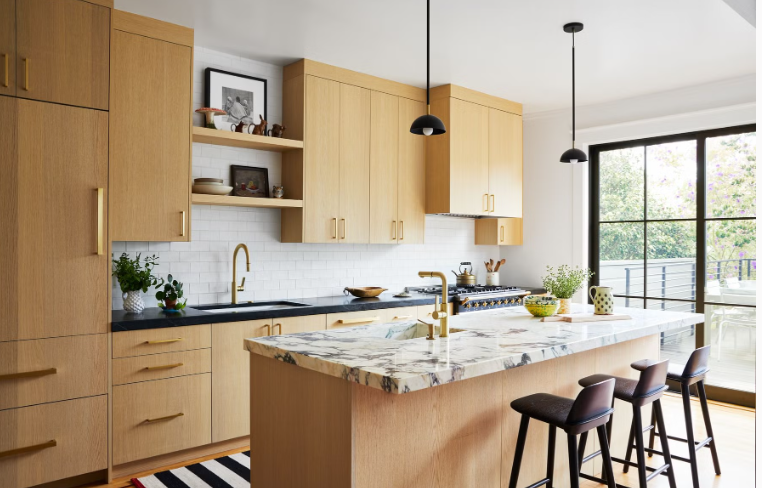
The Power of Fresh Air
It may sound strange, but you’d be amazed how important aroma is in interior design for real estate. There’s also a contrasting element to the olfactory experience of a home which can matter more than you’d think: Natural scents from when people cook, or have kids or pets running around in backyard contribute to what homes smell like and that plays an enormous role in how homes are perceived by buyers.
Open windows before showings to freshen the air. Plants are just inherently good for air quality, and emit a light, mild freshness. Don’t use fake air fresheners or those stinky candles. More and more buyers have sensitivities to man-made smells. Simmer a pot of water with lemon slices and a sprig or two of rosemary on the stove before showings, instead. This leaves you with a gentle, natural aroma that is a welcome fragrance without overpowering.
7. Declutter and Depersonalize Ruthlessly
Never underestimate the power of simplicity when it comes to selling real estate. Clutter is a no-no. Clutter can make your place look smaller, dirtier and less expensive. Strategic real estate interior design takes out at least half of what you usually keep out. This painful exercise pays in faster sales and better offers.
Begin with the closets and storage spaces. And buyers will open every door and drawer. Packed closets are a big red flag. Remove seasonal items and things you don’t use frequently. Neatly arrange the leftover items so that the shelves and rods look half-full. This simple trick makes storage seem abundant.
Clear kitchen counters except for two or three decorative items. Bread box, coffee maker and knife block should be stored inside cabinets. Buyers want to see counter space, not how you actually live. The same principle applies to bathroom countertops — nothing but hand soap, and perhaps a decorative tray.
The One-Third Rule
And it’s always helpful to follow the one-third rule — take away at least two-thirds of your décor. Rooms feel fussy and small when there is too much accessorizing. Pick your favorite pieces and put the rest in storage. All that remains should be useful or attractive without generating visual cacophony.
Bookshelves should be one-third empty. Packed shelves can seem confused and overwhelming. Style the rest of your books by color or size for a deliberate look. Add a few decorative objects between book groups for some breathing space.
Organize What Remains
Anything that’s in the house should have a home. No piles of mail on the counter, no shoes lying by the door, no stacks of magazines sprawled across the coffee table. Purchase some beautiful storage items for the things that you do use every day. Use decorative boxes and baskets to help keep essentials within arm’s reach but out of sight.
Design systems that lend themselves to being kept neat. An open-faced basket by the door for keys and sunglasses, a charging station inside a drawer to corral devices, a mail sorting system concealed in the kitchen cabinet. These systems help you keep the house showing-ready between acquiring potential buyers.
Quick Reference: Budget-Friendly Design Updates
Not every seller has the thousands of dollars it would cost to stage. Below are several low-cost interior design for real estate enhancements (that really work!) without the hefty price tag:
Under $100:
- Fresh throw pillows in neutral hues
- Fresh flowers for showings
- Updated cabinet hardware
- Neutral area rug
- Contemporary light switch and outlet covers
$100-$300:
- Paint one accent wall
- New shower curtain and bathroom accessories
- Updated light fixtures
- Professional deep cleaning
- Decorative mirrors
$300-$500:
- Repaint entire rooms
- New window treatments
- Updated faucets
- Professional staging consultation
- Minor repairs and touchups
Investment Priority Chart:
| Update Type | Cost Range | Impact Level | Time Involved |
|---|---|---|---|
| Deep Cleaning | $100-300 | High | 1 day |
| Paint Refresh | $200-500 | High | 2-3 days |
| Decluttering | $0-100 | High | 1 week |
| New Hardware | $50-150 | Medium | 4 hours |
| Light Fixtures | $100-400 | Medium | 1 day |
| Window Treatments | $150-300 | Medium | 1 day |
| Plants/Flowers | $30-$100 | Low-Medium | Ongoing |
These numbers give you a way to prioritize improvements based on your budget and timeline. Work on higher-impact, lower-cost changes first. Reserve costly updates for things that actually have to be replaced, not that simply benefit from a facelift.
Frequently Asked Questions
What color should you paint walls when selling your home?
Opt for muted, warm tones. Greige, warm gray and soft beige are a serial home seller’s best friends. Those tones give rooms a big, bright modern feeling without being sterile. Steer clear of stark white, which can read cold or sterile, and trendy color choices that may not age well.
I’m thinking of getting a professional stager. Or should I do it myself?
It will depend on your budget, the amount of time you have and the condition of the home. It’s not just what they do, but the experience and inventory pro stagers bring to making your home look its best. But self-styling, following interior design for real estate rules yourself, can be a great approach for thriftier sellers. Decide on a staging consultation, where you are given direction by professionals but do the work yourself.
Staging my home: How much?
You can expect to pay between 1-3% of your home’s asking price on staging, which is the average figure cited by most experts. For a $300,000 home, expect to spend between $3,000 and $9,000 in staging. But by doing your own strategic staging, you can achieve amazing results at a fraction of the cost. Prioritize your budget for the kitchen, bathrooms and main living areas where buyers are most likely to spend their time.
Do homes that have been staged really sell faster?
The answer is yes overall, the stats support that professionally staged homes sell quicker and sometimes for more money. Homes that are staged spend 73% less time on the market, according to the National Association of Realtors. Boosting the emotional connection that buyers make with a property, however subtly, can result in speedier sales.
Which rooms in the house should I concentrate on when staging?
Focus on the kitchen, the master bedroom and the main living area. These three areas most heavily impact the decision making of potential buyers. Next are the bathrooms, and then other bedrooms. Don’t forget curb appeal and entrances as well — an impression commences before a potential buyer even sets foot inside.
Can I stage a house while my family is still living in it?
Absolutely. And there are many sellers who have had no issues staging their occupied homes, adhering to decluttering and depersonalizing rules. Put away any personal possessions, keep decor neutral and the home tidy. For more interior design inspiration and tips, you can explore various staging strategies that work for occupied homes. It’s more of a hassle than staging an empty house, but it can definitely be done with forethought and discipline.
How soon should I start staging before listing?
Begin a minimum of 2-4 weeks before you put your home on the market. This also allows you to get organized, do any necessary repairs, touch up paint and acclimate to being in a staged environment. Take stress off the table and make sure your house looks its best from day one on the market by starting earlier rather than later.
Transform Your Space, Transform Your Sale
The practice of interior design for real estate doesn’t demand an eye for fine design or an unlimited budget. It comes down to knowing what buyers want and showcasing your home in the best possible light. The seven tips inside this guide—designing neutral rooms, optimizing light, strategic furniture placement, key room placement and definition, purposeful living areas, natural additions and ruthless decluttering—flow naturally to create buyer appeal.
Begin with the least difficult, least expensive improvements. Build up a head of steam as you see your house change. Every small change brings you one step closer to impact. Just remember: People buy first on emotion, then justify with logic. It is your job to create an emotional attraction that would make them want to call your house home.
All the best-maintained properties are rewarded by the market. Houses that look great online generate more showings. Houses that feel hospitable at tours receive more offers. Spaces that afford buyers the opportunity to imagine their futures carry higher price tags. These are not accidents — they are the inevitable outcomes of design decisions.
Take action today. Walk through your home and look at it with a fresh set of eyes, as if you are seeing it for the first time. Observe what works well and what could be done better. Make a list of what you would most like to do, prioritize based on impact and budget and start working through it methodically. You will be glad as hell when the offers start coming in, and you get the price you want.