
What do you see first when you walk into a house for sale? It could be the sunny kitchen, or the warm living room, or how light pours through all these windows. In the details is where it matters, more than you realize. Interior design for real estate is an enormous factor in whether or not buyers fall in love with a property, or keep scrolling through listings.
Smart interior design for real estate is not about fancy accessories or costly furniture. It’s about building spaces that feel inviting, functional and easy to imagine living in; when people are touring homes, certain details grab them, and knowing what those are can be the difference between a quick sale and one marooned on the market for months.
This guide explains what buyers want, what design choices increase (or decrease) home values and how to make projects that sell themselves. Whether you are getting your place ready to sell or just wondering what makes some homes so irresistible, you will find that there are practical tips that actually do the trick.
Make a Good First Impression at the Front Door
The entrance establishes the tone of what’s to come. Shoppers make snap judgments once inside, so your entry needs to pull its weight.
A bright, clean entry is the first thing that will help people feel welcome. Adding a little bench or console table is also an opportunity to create a proper drop zone for keys and bags. A fresh coat of paint on the front door in a contemporary color, such as navy blue or charcoal gray, says to buyers that the house has been well kept.
Lighting matters enormously here. Trade in your dated fixtures for something of-the-moment, without being too trendy. Simple pendant lighting or new sconces can refresh the space without requiring a bank loan for financing.
Remove all clutter from this area. Buyers want to envision storage space, not a collection of shoes and coats. Add hooks at various levels, or even a thin shoe rack that doesn’t take up too much space.
Kitchen Design Features That Drive Sales Home
The kitchen is typically the deciding factor in whether or not buyers make an offer. More eyes are on this room than nearly any other in the home.
Countertops and Backsplashes
Buyer wish lists have granite and quartz countertops near the top. These materials are nice to the touch and feel sturdy. If new counters are out of your budget, paint cabinets instead for a fresh look.
Backsplashes inject personality without enveloping the whole place. The subway tile here is still relevant because it “lends itself to a lot of different design styles.” For something more modern, pile rather than stagger the patterns.
Cabinet Colors and Hardware
White and grey cabinetry are the most popular. These neutral shades allow buyers to envision their own style while implying cleanliness and space. Replace outdated brass hardware with brushed nickel or matte black ones.
Two-toned cabinets create visual interest. Lighter upper cabinets and darker lower cabinets can make the ceiling feel higher and rooms larger.
Kitchen Layout and Flow
Open floor plans are particularly appealing to buyers who entertain. Even modest adjustments — like taking out a few sections of upper cabinets to accommodate open shelves — can make your kitchen feel airier and more integrated with adjacent space.
Islands offer additional prep space and casual seating. By all means, if you have space for one, it can be a worthy investment. Ensure there is at least 36 inches of space around all sides for easy movement.
Living Room Designs That Feel Airy
So buyers want living rooms spacious enough to fit their furniture, but that still feel open and inviting. Real estate interior design places a strong emphasis on getting these gathering spaces to serve multiple functions.
Furniture placement reveals to buyers how the space can be used. Cozy conversation areas should be created by pulling pieces away from walls. This in fact opens up rooms, as it outlines the side of a room’s usable space much better.
Natural light enhances the sense of spaciousness. Keep window treatments clean and light. Heavy curtains can make rooms feel smaller and darker.
Focal points direct the eye and ground the room. The space has some driving force, such as a fireplace, large window or feature wall. If your room doesn’t have a natural focal point, you can create one with paint, wallpaper or a gallery wall.
Bedroom Designs That Promise Comfort
The bedrooms sell dreams of restful nights and peaceful mornings. The design should transport everyone to a different place in the house.
Neutral wall tones are the easiest on our eyes in the bedroom. Light grays, warm beiges and soft whites are popular with homebuyers because they’re neutral enough to appeal to everyone, yet easy for potential buyers to personalize. Master bedrooms can get away with bold accent walls, while smaller rooms should stick to more universal tastes.
Closet space sells homes. Organizing systems help to demonstrate storage potential (even if the closets are tiny). Take out-of-season clothing and storage boxes so closets appear as spacious as they actually are.
Bedroom lighting needs layers. Ceiling fixtures deliver overall light level, while bedside table lights provide that added warmth and functionality. Dimmer switches allow buyers to envision the perfect lighting setting.
Window coverings should offer privacy without impeding light. Light-filtering shades or plain curtain panels are a good compromise.
Bathroom Updates That Boost Value
After the kitchen, bathrooms are the rooms most important to home buyers. New or freshly cleaned bathrooms send a message that the house has been properly cared for.
Fixtures and Finishes
Contemporary faucets and showerheads bring instant punch. Cohesive finish options throughout the bathroom ensure a matching look. Chrome and brushed nickel are safe choices that many people enjoy.
Vanities with storage alleviate practical concerns that buyers are concerned about. From under-sink cabinets to medicine cabinets, you can see that toiletries and towels have their own home.
Tile and Grout
Clean grout is a game changer and will even make old tile look better. Buyers see white grout that is now gray or brown and know you’ve let things go. Replacing old grout is less expensive and can go a long way.
Big tiles for bathrooms can make the space look more expensive and modern. They’re also lacking in grout lines, so they’re easier to clean and have a modern look.
Lighting and Mirrors
Bathroom lighting also shapes how people look — and, in turn, how they feel about the space. The fixtures on either side of the mirror give off even, flattering light. Avoid lighting from one source above that creates shadows.
Large mirrors reflect more light and make the bathroom feel larger. Customize the look by framing builder-grade mirrors with either paint, glaze or wallpaper treatment, or upgrade them entirely.
Paint Colors That Everyone Will Like
Selecting interior design colors for real estate that will please the most people is important. People’s color tastes are all over the map, and neutral palettes allow buyers to envision their own belongings in the space.
The Power of Neutrals
Cool grays have replaced beige as the new neutral of choice. They’re of the moment without being chilly. Greige (mixed between gray and beige) is particularly smart because it changes with the light.
White walls provide blank canvases ripe with possibility. Bright white looks at home in modern spaces; softer whites adapt to more traditional styles. There are different whites with different undertones, so test samples out in your space before committing to one.
Strategic Accent Colors
In dining rooms or home offices, navy blue is elegant. This color is grounded and professional without being boring.
Soft sage green works well in bedrooms and bathrooms. It embraces nature, while also being neutral enough for wide appeal.
Avoid rich reds, oranges and purples in primary living spaces. While these colors may be a reflection of your personality, they may not appeal to buyers who have different taste.
Flooring Choices Buyers Prefer
Flooring influences the appearance and the value of a house. The right ones enrich each room, while the wrong ones can detract from a sale.
Hardwood Appeal
Hardwood floors are one of the most requested flooring types. They signal quality and longevity. If you have hardwood floors buried under carpet, having them revived and refinished can pay dividends.
Light and medium wood tones have broader appeal than very dark floors, because they show less dust and other grime. Natural oak, maple and hickory are popular for most styles of homes.
Modern Alternatives
As quality has improved, luxury vinyl plank (LVP) has also become acceptable to buyers. It’s a hardwood look-alike that costs less and stands up to moisture. That makes it ideal for use in kitchens, bathrooms and basements.
Tile is great for entryways, bathrooms and kitchens. Large-format tiles yield a modern look, and smaller mosaics often appear busy.
For many buyers, carpet still has a place in bedrooms. Opt for neutral colors and well-made padding. Low-pile carpet will show less wear than plush.
Storage Solutions Buyers Crave
Buyers have storage at the top of their wish lists. Houses with signs of smart storage solutions feel more valuable and functional.
Built-in shelving shows that this house is designed for real living. Bookshelves on either side of a fireplace or window offer charm and practical storage.
Mudrooms or a drop zone near the entryway is also desirable for families. Hooks, cubbies and bench seating tell buyers that it’s possible to live here.
Organized pantries make kitchens look nicer. However, you can do wonders with simple shelving systems or lazy Susans that will make corners far more utilitarian. Pack away extras so buyers can visualize their potential.
Garage storage systems imply the space can accommodate more than just cars. Wall organizers and overhead racks also show potential.
Lighting That Transforms Spaces
Great lighting can make rooms feel larger, warmer and more inviting. Interior design in real estate will always reflect on how light makes things appear.
Natural Light Maximization
Keep windows very clean. Take down heavy curtains that prevent the sun coming in. Even basic blinds or sheer curtains block out noise and allow in light.
Mirrors located strategically across from windows reflect light around rooms. Adding large mirrors to narrow hallways or small rooms can give them a more spacious look.
Paint ceilings white to reflect light down. White ceilings even if walls are not, give rooms an added sense of height and light.
Artificial Lighting Layers
A room needs more than one light source. Overhead lights offer general light, task lights help with specific activities, and accent lights create atmosphere.
Dimmer switches put buyers in charge of lighting intensity from morning to night. This easy update brings a sense of flexibility to any space.
Upgraded fixtures light rooms up in a hurry. Replace old brass or crystal chandeliers with sleeker, modern options. Flush-mount or semi-flush fixtures are appropriate in rooms with standard ceiling heights.
Open vs. Closed Floor Plans
The debate over open concepts and separate rooms rages on, but buyer tastes have changed in recent years.
Why Some Openness Works
Tearing down walls between kitchens and living spaces is creating connectivity and making spaces flow. This layout is conducive to how many people actually live, letting cooking and socializing occur at the same time.
A view through several rooms can work to make a house feel bigger. So a house that offers a sightline from the front door all the way through to the back of the house suggests roomy square footage.
When Walls Make Sense
Home offices became a need in the last few years. There’s a demand among buyers for dedicated work space that they can close off from household activities. A spare bedroom with a door trumps an open nook for actual work.
Formal dining rooms have even made a comeback in some markets. Prospective buyers with expanding households tend to value rooms that are intended for gathering and celebration.
Noise is also more of a consideration in open designs. Factor in where walls can help control sound, particularly between living spaces and sleeping spaces.
Outdoor Living Extending from Inside
Yards, patios and balconies pay off when they feel like comfortably usable extensions of indoors. Real estate interior design now means considering outdoor planning, too.
Defined outdoor rooms create purpose. A clearly defined patio (whether with pavers, decking or outdoor rugs) illustrates for buyers exactly how they can make use of the space.
Comfortable seating arrangements demonstrate possibilities. Even simple outdoor furniture allows buyers to imagine having morning coffee or hosting evening cocktails.
The outdoor area is usable till late with integrated lighting. String lights, path lighting or even basic outdoor lamps hint that the area functions from daylight to after dark.
Low-maintenance landscaping is attractive to buyers with busy schedules. The use of native plants, mulched beds and simple designs guarantee less work than fussy gardens.
Smart Home Features Buyers Expect
For a lot of shoppers, technology inclusion has moved from being an added luxury to a necessary expectation. Smart tech updates don’t always pay off equally.
Smart thermostats are energy savers and convenient devices. Programmable temperature control is attractive to both environmentally conscious consumers and those who are watching their utility budgets.
Video doorbells offer security and peace of mind. This inexpensive upgrade is a sign that the home is up-to-date with modern standards.
Smart locks have no key to lose. They can be controlled remotely, a feature that appeals to people who travel or rent out property.
USB ports in kitchens and bedrooms are an acknowledgment of how people actually live today. These are small touches that reveal a consideration of contemporary needs.
Staging Strategies That Work
Empty rooms can feel smaller than furnished ones. With staging, buyers can imagine scale and purpose in each room.
Professional vs. DIY Staging
Professional stagers can make an empty shell look like it came right out of a design magazine. They bring furniture that’s the right size for each room and position it to emphasize positives and play down negatives.
DIY staging can work if you know the essentials. Less is more. Take out two-thirds of your own personal belongings, too much furniture and stuff that clutters the surfaces.
Key Rooms to Prioritize
Living rooms, master bedrooms and kitchens should get the most staging attention. These areas influence the purchase more than others.
Dining rooms ought to display tables large enough for a minimum of four people. This shows the room can accommodate a crowd.
Empty bedrooms leave buyers guessing about size and use. At the very least drop a bed and nightstand in there so it reads right.
Cost-Effective Updates That Deliver Returns
Not all updates are equally rewarding. Concentrate budgets on things buyers see and want.
| Update | Average Cost | Impact on Sale Price | Best ROI Rooms |
|---|---|---|---|
| Paint (whole home) | $3,000-$5,000 | Moderate increase | All rooms |
| Kitchen cabinet painting | $1,500-$3,500 | High increase | Kitchen |
| New lighting fixtures | $500-$2,000 | Moderate increase | Living areas, bathrooms |
| Bathroom updates | $5,000-$15,000 | High increase | Master bath, main bath |
| Flooring replacement | $3,000-$8,000 | Moderate-high increase | Living room, kitchen |
| Landscaping refresh | $1,000-$3,000 | Moderate increase | Front yard, backyard |
A new paint job will give you the most visual impact for the money. It makes everything look fresh and cared for without being a huge investment.
Hardware upgrades in kitchens and bathrooms bring rooms into the 21st century with little effort. New cabinet pulls, faucets and light switches don’t cost much but make the whole place feel different.
Deep cleaning should come before any other update. Sparkling windows, fresh grout and gleaming hardware make buyers believe the entire home has been maintained with an obsessive attention to detail.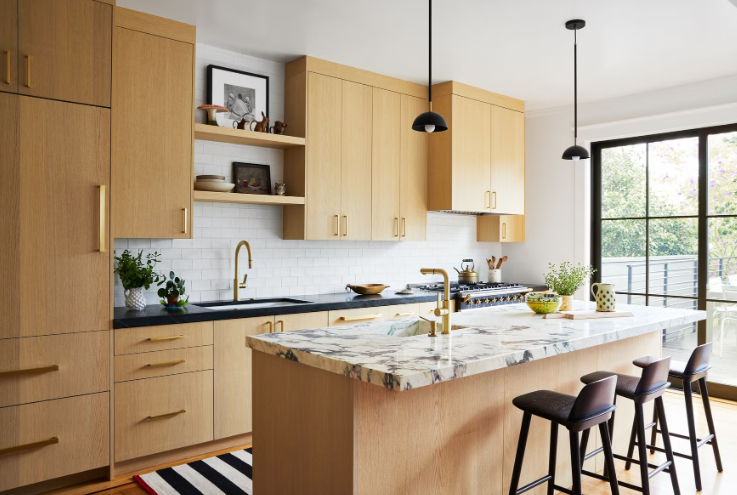
Design Mistakes That Hurt Sales
Some decisions actually chase away buyers or decrease perceived value. Steer clear of these typical mistakes when getting homes market ready.
Over-personalized spaces force buyers to work that much harder at imagining themselves in them. Bright, bold paint colors and themed rooms with custom murals should be repainted neutral before listing.
Cheap-looking quick fixes backfire. A bad job in a repair will be evident to buyers, whether it was done poorly or done with bargain materials. Either do it well or forget it.
Overstuffed rooms of furniture make spaces feel smaller. Trim pieces that block natural pathways or make rooms hard to navigate.
Ignoring odors costs sales. Pet odors, cooking smells and mustiness can cause prospective buyers to turn on their heels. Deal with sources rather than mask odors with air fresheners.
Inconsistent finishes in the home indicate a lack of attention to detail. Match hardware for doors, light fixtures and cabinet pulls within a room.
Regional Preferences in Home Design
Buyer expectations vary by location. What works in one market may not work in another.
On the coast, light and bright palettes that nod to beach living tend to reign. Blues, whites, sandy neutrals — they resonate with buyers who want that lifestyle.
City buyers want sleek and modern finishes. Industrial touches such as exposed brick, concrete counters and metallic accents cater to urban buyers.
Practical elements work well in suburban family homes. Mudrooms, home offices and finished basements cover suburban lifestyle needs.
Country homes should respect heritage charm, while providing all the modern conveniences. Classic farmhouse sinks and shaker cabinets work old with new. For more interior design inspiration, explore various styles that blend traditional and contemporary elements.
How Interior Design Affects Photography
Listing photos dictate whether buyers request tours. Real estate interior design must be photogenic to stand out in a catalog of photos.
Decluttered areas photograph bigger and cleaner. The counters must be cleared of everything except perhaps one or two decorative items.
Good lighting makes photos pop. Film during the day with all lights on and curtains open for the brightest source of light.
Angles matter enormously. Shoot toward corners to cram as much space into each frame as you can.
Styling adds warmth to photos. Beds are made, towels are neatly folded and flowers (yes, real ones) fill vases on tables. Professional real estate photography tips can help showcase your property’s best features.
Timing Your Design Updates
When you make changes matters as much as what you change.
Updates that need to be made before listing should occur at least two weeks prior to photos. This allows time for any problems to be addressed and the rooms to settle.
Seasonal considerations affect impact. Outdoor updates benefit spring listings; cozy indoor appeal should be the focus for fall.
Market conditions influence update priorities. Minimal updates may be enough in seller’s markets. Buyer’s markets require even more preparation.
Frequently Asked Questions
Which home improvements add the most value with interior design?
The top yield comes from updating kitchens and bathrooms. Painting, modernizing lighting and better flooring also add a lot of value. Concentrate on what is most popular, not what you personally like.
Do I really need to hire a home stager or an interior designer before listing my home for sale?
It’s a matter of what you can afford and the home’s condition. A design consultation is cheaper than full-service design, and gives you helpful guidance. For most sellers, that means concentrating on decluttering, painting and simple updates would be sufficient without professional assistance.
What colors should you not use when selling a home?
Buyers are usually turned off by bright red, deep purple, dark brown and bold yellow. Such personal choices of color make it difficult for buyers to envision their own possessions in the space. Keep to soft neutrals in gray, beige and white.
Is staging worth the expense?
Numbers indicate staged homes sell more quickly and typically at higher prices. Even simplified staging that emphasizes key rooms can have a big effect. Virtual staging comes as a cost-effective solution for vacant homes.
How much should I invest in updates before selling?
The general wisdom from many experts is to spend 1-3% of your home’s value on pre-sale renovations. First, target high-impact, low-cost changes. Stay away from major renovations unless you absolutely need to spend the money to make your home marketable.
Do buyers prefer open floor plans or separate rooms?
Preferences do differ by purchaser demographic and region. Young families often desire open kitchens and living areas but home offices that are separate. Older buyers might want more defined spaces. The key, as with anything, is to find a balance of openness and divided functionality.
Which lighting changes have the most impact?
The highest impact comes from updating dated fixtures in your main living areas, layering light in dark rooms and maximizing natural light. Dimmer switches are an easy upgrade that buyers appreciate.
Final Thoughts: Creating Spaces That Are Buyer-Friendly
Great real estate interior design thrives on its ability to help potential buyers picture themselves in their new lives within your space. The best design choices are those that melt away, leaving purchasers to focus on how they will live and enjoy each space.
The point, of course, is not to furnish a showroom. Buyers are seeking homes that feel livable and welcoming, not sterile or impersonal. That sweet spot of current design trends and yet timeless appeal, updated modernity with classic comfort.
Begin with the fundamentals: cleaning, decluttering and fixing things. These are basic steps that don’t cost much but can change the perception of your property for buyers. Then, work through the updates that make sense for your budget and local market.
Notice what is most important and desirable to buyers in your area. Attend open houses, chat with some local real estate agents and look up recent sales to figure out which features matter most when buyers are making decisions. This information enables you to make smart investments in the changes that actually count.
The right decor draws in the buyers, validates your asking price and quickens the sale. By looking at what buyers actually see — clean spaces, good lighting, neutral colors and smart storage — you’re making spaces that sell themselves. These principles are applicable whether you’re getting your own home ready to be sold or helping clients grasp what makes properties irresistible to today’s buyers.