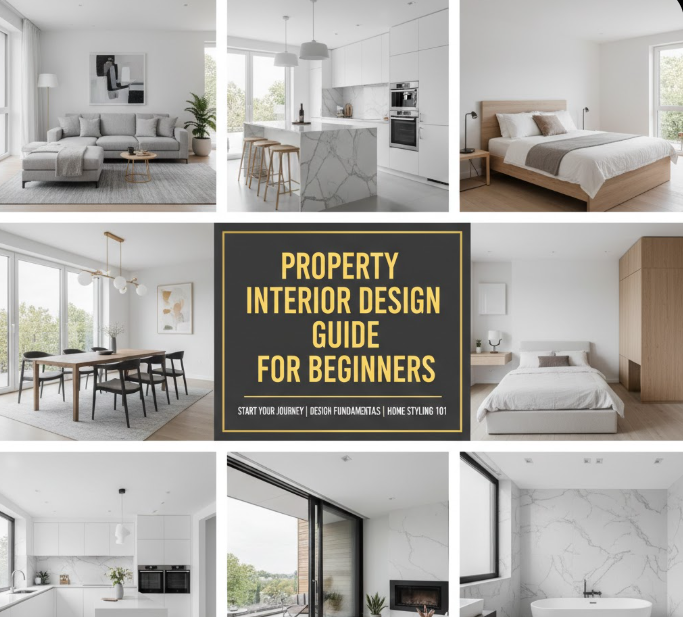
Property Interior Design: Where Do You Even Start?
Walking into an empty room and knowing exactly what to do with it is a skill. Most people don’t have it right away — and that’s completely okay. Property interior design is the art and science of making indoor spaces look great and work even better. It’s about choosing the right colors, furniture, lighting, and textures to turn a house into a home.
If you’ve just moved into a new place, you’re renovating, or you simply want to refresh a tired room, this guide is your starting point. No design degree required. No massive budget needed either.
By the time you finish reading, you’ll know how to plan a room from scratch, avoid the most common beginner mistakes, and make design choices that actually make sense for your lifestyle and space.
Let’s get into it.
The Big Picture: What Property Interior Design Actually Covers
Before you rush out to buy throw pillows, it helps to zoom out and look at what interior design really involves.
Interior design is not just about decoration. It’s a system. Every element in a room affects the others — a dark wall color can make a small room feel like a closet, while the right mirror can make it feel twice as large.
Here are the main areas that make up property interior design:
| Design Element | What It Does |
|---|---|
| Space Planning | How furniture and features are arranged in a room |
| Color Scheme | The palette of colors used across walls, furniture, and accents |
| Lighting | Natural and artificial light that sets mood and function |
| Furniture Selection | Choosing pieces that fit the scale and purpose of the room |
| Textures & Materials | Fabrics, wood, metal, stone — what things feel and look like |
| Accessories & Décor | Art, plants, rugs, cushions — the finishing touches |
Think of these six areas as the building blocks of every well-designed room. When they all work together, the result feels effortless — even if it took a lot of planning.
Start With a Plan: The Room Layout Comes First
Measure Before You Dream
The number one beginner mistake is skipping the measuring step. You fall in love with a sofa online, buy it, and it doesn’t fit through the door. Or worse, it fits through the door but swallows the whole room.
Always measure your room before you do anything else. Write down:
- The length and width of the room
- The height of the ceilings
- The position of windows and doors
- The location of electrical outlets and light switches
These numbers will guide every single decision that follows.
Draw a Simple Floor Plan
You don’t need special software. A pencil and graph paper work just fine. Draw your room to scale — for example, let 1 square on the paper equal 1 foot of real space.
Then cut out small paper shapes that represent your furniture (also to scale) and move them around. This is called a furniture arrangement sketch, and it saves you from making expensive mistakes.
Free tools like RoomSketcher or Planner 5D also let you do this digitally for free.
The Golden Rule of Space Planning
Leave at least 36 inches (about 3 feet) of walking space between large furniture pieces. This keeps the room functional and stops it from feeling cramped.
Around dining tables, pull each chair out fully and make sure there’s still 3 feet behind it. This detail alone makes a huge difference in how a room feels to live in.
Color Theory for Non-Designers
Why Color Is the Most Powerful Tool in the Room
Color changes everything. The same furniture in a white room versus a deep navy room will feel completely different. Color affects your mood, how large or small a space feels, and how warm or cool the atmosphere is.
Here’s a simple breakdown of how colors behave:
| Color Type | Effect on a Space | Best Used In |
|---|---|---|
| Light colors (white, cream, pale gray) | Makes rooms feel bigger and airier | Small rooms, hallways |
| Dark colors (navy, charcoal, forest green) | Creates coziness and drama | Living rooms, bedrooms |
| Warm colors (red, orange, yellow) | Energizing and inviting | Kitchens, dining rooms |
| Cool colors (blue, green, purple) | Calming and focused | Bedrooms, home offices |
| Neutral colors (beige, taupe, gray) | Flexible and timeless | Any room as a base |
The 60-30-10 Rule Every Beginner Should Know
This rule makes choosing colors foolproof. It works like this:
- 60% of the room should be your dominant color (usually walls and large furniture)
- 30% should be your secondary color (curtains, rugs, secondary furniture)
- 10% should be your accent color (cushions, artwork, small accessories)
For example: cream walls (60%) + warm gray sofa and curtains (30%) + terracotta accents in cushions and a vase (10%). That’s a complete, balanced color scheme — and it took about 30 seconds to figure out.
Don’t Forget Natural Light
A color on a paint swatch card looks nothing like it does on your wall. Always test paint samples on your actual wall and look at them at different times of day — morning, noon, and evening.
Rooms that face north get less direct sunlight and tend to look cooler and darker. Rooms that face south get more sun and warm up colors. Keep this in mind when choosing your palette.
Furniture That Fits Your Life (Not Just Your Room)
Scale and Proportion: The Silent Rules of Good Design
Every piece of furniture should fit the room’s scale. A huge sectional sofa in a tiny apartment bedroom doesn’t work — even if you love it. Similarly, spindly little chairs around a large dining table look awkward.
Think of furniture in groups. A coffee table should be roughly two-thirds the length of the sofa it sits in front of. Bedside tables should sit at about the same height as the top of your mattress.
These aren’t strict laws, but they’re guidelines that keep things looking balanced.
Choosing a Design Style That Feels Like You
There are dozens of interior design styles out there. Here’s a quick cheat sheet:
| Style | Key Features | Good For |
|---|---|---|
| Scandinavian | Clean lines, light wood, minimal clutter | Small apartments, modern homes |
| Bohemian (Boho) | Layered textiles, plants, eclectic patterns | Creative personalities, renters |
| Industrial | Exposed brick, metal, raw materials | Lofts, open-plan spaces |
| Farmhouse | Shiplap, vintage pieces, warm neutrals | Family homes, country properties |
| Contemporary | Neutral tones, sleek furniture, simple forms | Most property types |
| Mid-Century Modern | Organic shapes, bold colors, tapered legs | Living rooms, home offices |
| Japandi | Japanese + Scandinavian blend, zen calm | Minimalist lovers |
You don’t have to stick to one style. Most well-designed homes mix two or more. The key is to have a consistent color story and a similar level of detail across pieces.
Secondhand and Budget Finds Work Beautifully
Great property interior design doesn’t mean expensive furniture. Many design lovers swear by secondhand pieces from thrift stores, Facebook Marketplace, and estate sales. A solid wood dresser from 1970 repainted in a fresh color often looks better than something bought new from a budget furniture chain.
Mix high and low — spend more on pieces you sit or sleep on (sofa, mattress, bed frame) and save money on things like decorative accessories, side tables, and storage baskets.
Lighting: The Element Most Beginners Ignore
Three Types of Lighting Every Room Needs
Most beginners rely entirely on one overhead light. This is the fastest way to make a room feel flat and uninviting. Professional interior design almost always layers three types of light:
1. Ambient Lighting — This is your general, overall light. Ceiling fixtures, recessed lights, or pendant lights. It fills the whole room with a base level of brightness.
2. Task Lighting — Focused light for a specific activity. Desk lamps, under-cabinet kitchen lights, reading lights next to a bed. This light helps you do things.
3. Accent Lighting — Decorative light that highlights features. Picture lights, wall sconces, strip lights behind a TV or shelving unit. This light adds drama and depth.
When all three are in a room, you can mix and match them to suit the mood — bright and functional for morning, soft and warm for evening.
Warm vs. Cool Light Bulbs
The color temperature of a light bulb affects the feel of the room as much as the wall color does.
- Warm white (2700K–3000K): Cozy, relaxing — great for bedrooms and living rooms
- Neutral white (3500K–4000K): Clean, balanced — great for kitchens and bathrooms
- Cool/daylight (5000K–6500K): Energizing, focused — great for home offices and garages
One simple fix that transforms many rooms: swap out cool overhead bulbs for warm ones in bedrooms and living areas.
Textures, Fabrics, and the “Layered” Look
Why Texture Makes a Room Feel Finished
A room with every surface being the same material looks sterile, even if the colors are beautiful. Texture is what gives a room depth and warmth.
Think about contrast:
- Rough linen curtains next to a smooth plaster wall
- A chunky knit throw on a sleek leather sofa
- A jute rug underneath a glass-top coffee table
These combinations work because they create visual interest. The eye moves around the room and finds new things to land on.
A Beginner’s Guide to Layering Textiles
Start from the floor and work up:
- Rug — anchors the seating area and adds warmth
- Curtains or blinds — frames the windows and controls light
- Sofa and chair upholstery — the biggest textile surface in the room
- Cushions and throws — the easiest way to add color and softness
- Table runner or placemats — adds detail to dining and side tables
You don’t need to use every layer in every room. But adding at least three of these will make almost any space feel designed rather than just furnished.
Room-by-Room Interior Design Tips
Living Room: The Heart of the Home
The living room is where people spend the most time, so it needs to work hard. Arrange furniture around a focal point — a fireplace, a large window, or a TV unit.
Avoid pushing all furniture against the walls. Floating the sofa slightly away from the wall makes the room feel more intentional and actually creates the illusion of more space.
Bedroom: Your Personal Retreat
In the bedroom, comfort is king. Start with the bed as the centerpiece and build around it. Keep the color palette calming — soft neutrals, dusty blues, warm greens.
Layer lighting: a ceiling light with a dimmer, bedside lamps, and perhaps a floor lamp in a reading corner. Blackout curtains make a real difference for sleep quality.
Kitchen: Function Meets Style
The kitchen is about workflow first. The classic “kitchen triangle” — sink, stove, and refrigerator — should be easy to move between without obstacles.
Add personality through cabinet hardware, a statement backsplash, or open shelving styled with plants and cookbooks. Even a small kitchen can feel warm and inviting with the right details.
Home Office: Productivity Through Design
A good home office setup supports focus. Choose a desk that faces natural light if possible. Add task lighting for evening work. Keep the space organized with smart storage.
Color matters here too. Soft greens and blues support focus. Avoid reds and very warm colors, which can feel stimulating in a way that distracts from work.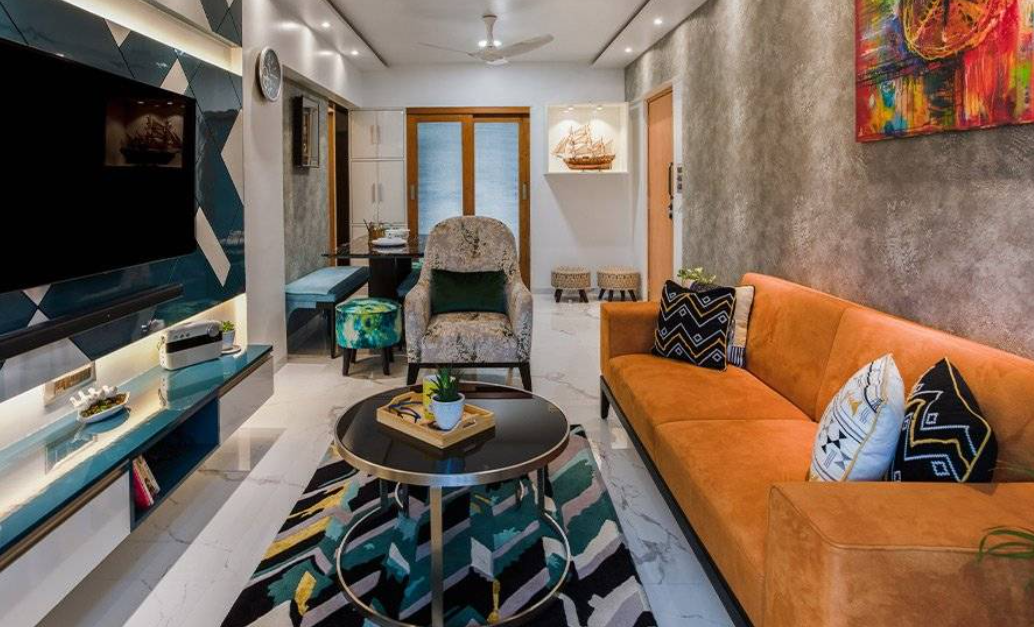
Budget Planning for Interior Design Projects
How to Set a Realistic Interior Design Budget
Before you buy a single thing, set a budget. This is one of the most practical skills in property interior design. Here’s a general guide for a living room refresh:
| Item | Typical Budget Range |
|---|---|
| Sofa | $500 – $2,000 |
| Coffee table | $100 – $500 |
| Rug | $100 – $600 |
| Curtains | $80 – $300 |
| Lighting (2-3 fixtures) | $100 – $400 |
| Cushions, throws, décor | $100 – $300 |
| Paint | $50 – $150 |
| Total estimate | $1,030 – $4,250 |
These ranges vary widely by location, but this gives you a realistic starting point. Always add a 10–15% buffer for unexpected costs.
Where to Prioritize Your Spending
Spend more on: sofas, mattresses, dining tables, and solid storage pieces. These items take daily wear and you’ll notice quality fast.
Spend less on: decorative accessories, side tables, and seasonal décor. These items are easy and inexpensive to swap out when you want a fresh look.
5 Beginner Mistakes to Avoid
Even with the best intentions, beginners fall into predictable traps. Here’s what to watch out for:
1. Buying everything at once. A room filled with furniture purchased in one shopping trip often looks like a showroom. Give yourself time to find the right pieces. Live in the space first.
2. Choosing a rug that’s too small. The rug should be large enough that at least the front legs of all seating sit on it. A small rug floating in the middle of a room makes the space feel disconnected.
3. Ignoring scale. A giant painting above a tiny console table. A miniature side lamp next to a tall bookshelf. Scale mismatches are easy to spot and hard to fix without returning items.
4. Forgetting window treatments. Bare windows make rooms feel unfinished and expose you to harsh light. Even simple curtain panels can completely change the look and feel of a room.
5. Overdecorating. More stuff does not mean better design. Editing is just as important as adding. Empty space is a design element — sometimes the most powerful one in the room.
Quick-Start Checklist for Beginners
Use this checklist whenever you’re starting a new room project:
- [ ] Measure the room (length, width, ceiling height)
- [ ] Note window, door, and outlet positions
- [ ] Sketch a floor plan (paper or digital)
- [ ] Choose a design style as your guide
- [ ] Pick a color palette using the 60-30-10 rule
- [ ] Test paint colors on the wall before committing
- [ ] Plan furniture arrangement before purchasing
- [ ] Layer lighting (ambient + task + accent)
- [ ] Add at least 3 textile layers for warmth
- [ ] Edit — remove anything that doesn’t serve the room
FAQs: Property Interior Design for Beginners
Q: Do I need to hire a professional interior designer? Not necessarily. For basic room refreshes or decorating projects, this guide gives you enough to work with on your own. Professionals are worth considering for full renovations, complex spaces, or when you’re working with a significant budget.
Q: What’s the best interior design style for a small apartment? Scandinavian and Japandi styles work extremely well in small spaces. They focus on light colors, clean lines, minimal clutter, and multifunctional furniture — all of which help small rooms feel larger.
Q: How do I choose between open shelving and closed cabinets? Open shelving works well when you have attractive, organized items to display. Closed cabinets are better for hiding clutter. In most homes, a mix of both creates a functional and visually interesting result.
Q: Can I mix different wood tones in one room? Yes — mixing wood tones adds warmth and character. The key is to aim for contrast rather than near-matches. For example, a light oak floor with a walnut dining table looks intentional. Two slightly different oak pieces can look like a mismatch.
Q: How do I make a rented property feel like my own without permanent changes? Focus on temporary fixes: removable wallpaper, freestanding furniture, large rugs to cover flooring, and curtains hung with tension rods. Plants, art, and soft furnishings do a lot of heavy lifting in making a rental feel personal.
Q: What’s the first room I should focus on when decorating a new home? Start with the bedroom or living room — wherever you spend the most time. Getting these right first improves your daily life immediately and gives you confidence to tackle the rest of the home.
Q: How often should I update my home’s interior design? There’s no set rule. Many people do a soft refresh every 2–3 years by updating accessories, paint colors, or textiles. Full redesigns might happen every 7–10 years or after a major life change like moving or having a family.
Bringing It All Together: Your Space, Your Rules
Property interior design is not about following rigid rules or copying magazine photos. At its core, it’s about creating spaces where you feel good. That’s different for everyone.
Some people want calm, minimal spaces that feel like a breath of fresh air. Others love color, pattern, and a room packed with personality. Both approaches are valid. What matters is that your home reflects you.
Start small. Pick one room. Measure it. Choose a color direction. Find one or two pieces of furniture that excite you and build from there. Good design doesn’t happen overnight — it evolves as you learn more about your own taste and what works in your specific space.
The most important tool in property interior design? Your eyes. Trust them. You notice when something feels off, and you feel it when something clicks. Over time, that instinct gets sharper.
Your dream space is closer than you think. Now you have the map to get there.