
Selling your first home can feel overwhelming. You want to get the best price, but you’re not sure where to start. The good news? Your real estate home interior plays a huge role in attracting buyers and closing deals quickly. In fact, homes with well-prepared interiors sell up to 87% faster than those that aren’t staged or updated.
First-time sellers often make costly mistakes by skipping simple interior improvements. They assume buyers will see past clutter, outdated paint, or personal decorations. Unfortunately, that’s rarely the case. Buyers make decisions based on emotions and first impressions. When your home’s interior looks clean, spacious, and move-in ready, you’ll receive more offers and better prices.
This guide will walk you through proven real estate home interior strategies that work. You’ll learn how to prepare each room, what upgrades matter most, and how to create a welcoming atmosphere that makes buyers fall in love with your property.
Why Your Home’s Interior Matters More Than You Think
Most buyers spend less than 10 minutes touring a home in person. That means you have a very short window to make a positive impact. Your interior design, cleanliness, and overall presentation directly influence their decision.
According to real estate professionals, homes with updated and well-staged interiors receive offers that are 1-5% higher than asking price. Meanwhile, properties with neglected interiors often sit on the market for months, eventually selling below market value.
Think about it this way: buyers aren’t just purchasing a building. They’re buying a lifestyle and a vision of their future. When your real estate home interior helps them imagine happy memories and comfortable living, you’ve already won half the battle.
Deep Cleaning: The Foundation of Every Successful Sale
Before you change anything else, you need to clean everything thoroughly. Not just a quick vacuum and wipe-down. We’re talking about a deep, professional-level clean that makes your home sparkle.
Start with the kitchen. This room sells houses more than any other space. Clean inside cabinets, scrub grout lines, and polish all appliances until they shine. Remove everything from countertops except maybe a bowl of fresh fruit or a small plant.
Move to the bathrooms next. Replace old caulking around tubs and sinks. Clean tile grout with a specialized cleaner. Make sure mirrors are spotless and fixtures gleam. Add fresh towels in neutral colors.
Don’t forget about windows. Dirty windows make entire rooms look dingy and dark. Clean both inside and outside panes. While you’re at it, dust all window sills, baseboards, and ceiling fans.
Carpets need special attention too. Hire professional carpet cleaners if your flooring shows wear or stains. Buyers often assume they’ll need to replace dirty carpets, which can knock thousands off their offer.
Removing Personal Items Creates Universal Appeal
Your family photos, collections, and personal decorations mean everything to you. However, they make it harder for buyers to envision themselves living in your space. This is one of the biggest challenges first-time sellers face.
Pack away family portraits, religious items, sports memorabilia, and unique collections. You want buyers to project their own lives onto your home, not admire yours. Create a neutral canvas that appeals to the widest possible audience.
Clear out about 50% of your belongings from each room. This includes closets, garages, and storage areas. Buyers will open every door and drawer, so make sure these spaces look organized and spacious. When storage areas appear full, buyers assume there isn’t enough room for their belongings.
Children’s rooms can stay playful, but tone down the personalization. Replace character bedding with solid colors. Remove name signs and excessive toys. The goal is showing a functional kid’s space without overwhelming potential buyers.
Paint Colors That Sell Homes Fast
Nothing transforms a real estate home interior faster than fresh paint. The right colors make rooms feel larger, brighter, and more inviting. The wrong colors can turn buyers away before they even schedule a showing.
Stick with neutral tones. Whites, beiges, light grays, and soft taupes work best. These colors appeal to most buyers and make rooms feel more spacious. They also provide a blank canvas where buyers can imagine their own furniture and style.
Avoid trendy colors like navy blue, sage green, or millennial pink on walls. What feels fashionable today might feel dated by the time you sell. Save bold colors for small accent pieces that you’ll take with you.
Don’t skip trim and ceiling paint. Bright white trim makes rooms feel crisp and clean. Ceiling paint should be pure white to reflect maximum light. These details matter more than most first-time sellers realize.
One exception to neutral colors: your front door. A freshly painted front door in a welcoming color (like deep red, navy, or forest green) increases curb appeal and makes a strong first impression.
| Room Type | Best Paint Colors | Colors to Avoid |
|---|---|---|
| Living Room | Warm beige, light gray, soft white | Dark brown, bright red, purple |
| Kitchen | Crisp white, pale gray, cream | Yellow, orange, dark colors |
| Bedroom | Soft beige, light blue-gray, warm white | Black, hot pink, neon colors |
| Bathroom | Pure white, light gray, spa blue | Dark green, burgundy, gold |
| Dining Room | Warm taupe, greige, soft ivory | Maroon, navy, dark gray |
Fixing Small Problems Before They Become Deal Breakers
Buyers notice every detail during home tours. Small issues that you’ve lived with for years suddenly become red flags. Fix these problems before listing your property.
Repair leaky faucets and running toilets. These simple fixes cost less than $50 but signal to buyers that you’ve maintained your home properly. When buyers see unfixed plumbing issues, they worry about what else might be wrong.
Replace burned-out light bulbs throughout your home. Make sure every light fixture works perfectly. Add higher-wattage bulbs where safely possible. Bright homes feel more welcoming and valuable.
Fix squeaky doors and drawers. A drop of lubricant takes seconds but eliminates annoying sounds that buyers remember. Test every door, cabinet, and window to ensure smooth operation.
Patch wall holes and repair damaged trim. Even small nail holes catch buyers’ attention. Fill them with spackling compound, sand smooth, and touch up with matching paint. Replace damaged baseboards or trim pieces.
Address any musty or pet odors. You might not notice these smells anymore, but buyers will immediately. Clean carpets professionally, wash walls, and consider hiring an odor remediation service if needed.
Furniture Placement That Maximizes Space
How you arrange furniture dramatically affects how large your rooms appear. Poor furniture placement makes even spacious rooms feel cramped and awkward.
Pull furniture away from walls. This creates the illusion of more space and better flow. In living rooms, arrange seating in conversation groups rather than pushing everything against the perimeter.
Remove excess furniture pieces. If you have two sofas, consider storing one. If your dining table seats twelve, replace it temporarily with a smaller table that shows off the room size instead of filling it completely.
Create clear pathways through every room. Buyers should be able to walk easily from doorways to windows without squeezing between furniture. Aim for at least 3 feet of walking space in main traffic patterns.
Use appropriately sized furniture for each room. Oversized sectionals that work in large spaces overwhelm smaller rooms. Similarly, tiny furniture in big rooms makes spaces feel empty and unwelcoming.
Position furniture to highlight your home’s best features. Angle seating toward fireplaces or beautiful windows. Make sure nothing blocks architectural details or natural light sources.
Lighting Strategies That Brighten Your Sale
Good lighting makes your real estate home interior feel warm, welcoming, and valuable. Poor lighting creates shadows, makes colors look muddy, and depresses buyer mood.
Layer your lighting with three types: ambient (overhead), task (reading lamps), and accent (highlighting features). Each room should have multiple light sources that can be adjusted for different needs and times of day.
Replace outdated light fixtures. Brass fixtures from the 1990s scream “needs updating.” Modern fixtures in brushed nickel, matte black, or oil-rubbed bronze look current without being trendy. This relatively inexpensive upgrade delivers impressive results.
Maximize natural light. Open all curtains and blinds before showings. Clean windows until they sparkle. Trim outdoor vegetation that blocks windows. If your window treatments are heavy or dark, replace them with sheer curtains or simple white blinds.
Add lamps where needed. Dark corners bring down entire rooms. Place floor lamps or table lamps in dim areas. Make sure all lamps have working bulbs and attractive shades.
Consider LED bulbs in warm white (2700-3000K). These create a cozy, inviting glow similar to traditional incandescent bulbs but use less energy. Avoid cool white or daylight bulbs in living spaces, as they feel harsh and clinical.
Kitchen Updates That Deliver Maximum Return
Kitchens sell homes. Buyers spend more time evaluating kitchens than any other room. Even small improvements here can increase your selling price significantly.
Update cabinet hardware. Replacing old knobs and pulls with modern hardware transforms kitchen cabinets instantly. Choose brushed nickel or matte black for contemporary appeal. This project costs under $100 but looks like a major renovation.
Paint or refinish cabinets if they’re dated. White or light gray cabinets appeal to most buyers. If your cabinets are dark wood or have an orange oak finish, painting them white can yield one of the highest returns on investment for any home improvement project.
Replace outdated backsplashes. If you have old tile or no backsplash at all, add a simple subway tile or neutral stone backsplash. Peel-and-stick options work for budget-conscious sellers and still look professional.
Upgrade your faucet. A new kitchen faucet in a modern finish costs $100-300 but dramatically improves the room’s appearance. Choose a style that matches your cabinet hardware.
Ensure appliances are spotless. Stainless steel appliances should be cleaned with specialized cleaner. White appliances should have no yellowing or stains. If appliances are very old or damaged, consider replacing the most visible ones before listing.
Bathroom Improvements Worth Making
Bathrooms rank second only to kitchens in buyer importance. These rooms need to feel clean, modern, and spa-like.
Re-caulk tubs, showers, and sinks. Old, yellowed, or mildewed caulk looks terrible and suggests neglect. Remove old caulk completely and apply fresh white caulk. This $10 fix makes bathrooms look professionally maintained.
Update fixtures and hardware. Replace old towel bars, toilet paper holders, and cabinet pulls with matching modern pieces. Make sure all fixtures are the same finish for a cohesive look.
Add fresh towels and bathmats in white or neutral colors. Display them neatly folded or hanging on bars. Remove all personal toiletries and keep only attractive soap dispensers or simple decorations visible.
Improve shower curtains and liners. Replace stained or outdated shower curtains with crisp white ones or clear glass doors. Make sure liners are clean and free of mildew.
Check water pressure and drain speed. Fix slow drains with drain cleaner or a plumber’s help. Low water pressure can indicate plumbing issues that scare buyers away.
Bedroom Staging for Emotional Connection
Bedrooms should feel like peaceful retreats. Buyers need to imagine themselves relaxing and sleeping comfortably in these spaces.
Invest in quality bedding. You don’t need expensive designer brands, but your bed should look hotel-crisp with fresh sheets, plump pillows, and a neutral comforter or duvet. Make beds every single day during the selling period.
Remove exercise equipment and office setups. Bedrooms should clearly be bedrooms, not multi-purpose spaces. Store treadmills, desks, and filing cabinets elsewhere. Show buyers that bedrooms are large enough for their intended purpose.
Minimize bedroom furniture. Keep only essential pieces: bed, nightstands, and perhaps a dresser. Remove extra chairs, storage bins, and cluttered surfaces. The goal is showing maximum floor space.
Create symmetry where possible. Matching nightstands and lamps on both sides of the bed create visual balance that feels calming and intentional. This designer trick works even in small bedrooms.
Control temperature and smell. Bedrooms should feel comfortable, not stuffy or cold. Open windows before showings to let in fresh air. Consider a subtle plug-in air freshener with a clean scent like fresh cotton or light lavender.
Outdoor Spaces and Curb Appeal
Your interior begins the moment buyers pull up to your home. First impressions start with curb appeal and outdoor living spaces.
Maintain your lawn and landscaping. Mow regularly, edge walkways, and remove weeds. Add fresh mulch to garden beds. Plant colorful flowers near the entrance for a welcoming pop of color.
Clean and paint your front door. A freshly painted door signals that your home is well-maintained. Add a new welcome mat and consider a simple wreath for added charm.
Power wash exterior surfaces. Clean your driveway, walkways, siding, and deck. Remove mildew, dirt, and stains. This inexpensive improvement makes your entire home look newer.
Stage outdoor living areas. If you have a deck or patio, show buyers how they can use it. Add a small seating area with cushions, perhaps a grill, and some potted plants. Keep it simple but inviting.
Ensure outdoor lighting works. Replace bulbs in porch lights and landscape lighting. Well-lit exteriors feel safer and more welcoming, especially important for evening showings.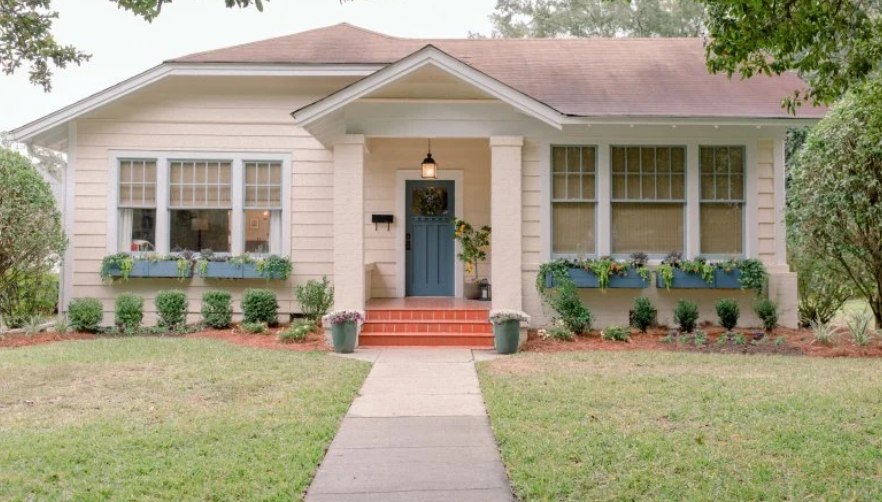
Common First-Time Seller Interior Mistakes
Learning from others’ mistakes saves you time and money. Avoid these common errors that first-time sellers make.
Over-personalizing the space is the biggest mistake. Extreme decorating styles, unusual paint colors, and too many personal items prevent buyers from connecting emotionally with your home.
Pricing improvements incorrectly happens often. Not every upgrade increases value equally. Focus on high-impact, low-cost changes rather than major renovations right before selling.
Ignoring odors and cleanliness pushes buyers away fast. You’ve adapted to your home’s smells, but buyers notice immediately. Deep clean and address all odor sources before listing.
Leaving the home too dark during showings wastes opportunities. Turn on every light, open all curtains, and schedule showings during daylight hours when possible.
Forgetting about storage spaces hurts your sale. Buyers open closets and cabinets. Organized, half-empty storage areas suggest plenty of space. Full, messy ones suggest the home is too small.
Timeline for Preparing Your Real Estate Home Interior
Planning helps you prepare your home efficiently without rushing or forgetting important steps. Here’s a practical timeline.
6-8 Weeks Before Listing:
- Start decluttering and packing personal items
- Schedule deep cleaning services
- Get painting quotes and schedule work
- Identify major repairs needed
4-6 Weeks Before Listing:
- Complete painting projects
- Make major repairs
- Update fixtures and hardware
- Clean or replace carpets
2-4 Weeks Before Listing:
- Complete minor repairs
- Final deep cleaning
- Stage furniture placement
- Add finishing touches like fresh flowers
1 Week Before Listing:
- Final walk-through with fresh eyes
- Touch up any missed spots
- Prepare for photography
- Create showing preparation checklist
Ongoing During Listing:
- Maintain cleanliness daily
- Keep all lights working
- Refresh flowers and plants weekly
- Stay ready for last-minute showings
Budget-Friendly Interior Improvements
You don’t need thousands of dollars to prepare your real estate home interior for sale. Smart, targeted improvements deliver excellent results on modest budgets.
Under $100:
- Replace all light bulbs with matching warm LED bulbs
- Update cabinet hardware in kitchen and bathrooms
- Add fresh paint to front door
- Buy neutral throw pillows and new towels
- Deep clean carpets yourself with rented equipment
$100-$500:
- Paint one or two rooms in neutral colors
- Replace outdated light fixtures
- Update bathroom faucets
- Add simple backsplash to kitchen
- Professional carpet and upholstery cleaning
$500-$2,000:
- Paint entire interior
- Replace worn carpet in high-traffic areas
- Update all light fixtures
- Professional home staging consultation
- Minor kitchen cabinet refinishing
$2,000-$5,000:
- Full kitchen cabinet painting
- Multiple bathroom updates
- Professional staging service
- Significant flooring repairs or replacement
- Complete exterior painting and landscaping
Focus your budget on changes that buyers notice first: kitchens, bathrooms, paint, and cleanliness. These improvements typically return 50-100% of their cost at sale time.
Working With Real Estate Professionals
Real estate agents provide invaluable guidance on preparing your home’s interior. They know what buyers in your specific market expect and value.
Schedule a pre-listing consultation with your agent. They’ll walk through your home and point out improvements that matter most. Listen carefully to their suggestions, even if some feel harsh. They’re thinking about what sells homes, not protecting your feelings.
Ask about professional staging services. Some agents offer this as part of their service. Others can recommend affordable stagers. Even a few hours with a professional can transform how your home shows.
Request honest feedback after showings. Your agent can ask buyer’s agents what impressed them and what concerned them. Use this information to make adjustments during your listing period.
Consider professional photography. High-quality photos attract more online viewers, which leads to more showings. Many agents include professional photography in their listing package.
Frequently Asked Questions
How long does it take to prepare a home’s interior for sale?
Most homes need 4-8 weeks for complete preparation. This includes decluttering, painting, repairs, deep cleaning, and staging. Simple homes in good condition might need only 2-3 weeks, while homes requiring more work could take 8-12 weeks.
Should I hire a professional stager or do it myself?
If your budget allows, professional stagers deliver excellent results and typically pay for themselves through faster sales and higher prices. If you’re on a tight budget, you can achieve good results yourself by following staging principles: declutter, neutralize, clean thoroughly, and arrange furniture to maximize space.
What interior improvements give the best return on investment?
Painting in neutral colors, deep cleaning, decluttering, and minor kitchen and bathroom updates typically return 80-100% of their cost. Major renovations like full kitchen remodels rarely return their full cost when selling immediately afterward.
Do I need to fix every small issue before listing?
Fix issues that buyers will notice during tours: obvious repairs, functionality problems, and anything affecting safety or cleanliness. Very minor cosmetic issues in hidden areas can often be left as-is, especially in lower-price ranges where buyers expect some imperfections.
How much should I spend on interior preparation?
A general rule suggests spending 1-3% of your home’s value on preparation. A $300,000 home might warrant $3,000-$9,000 in improvements. Focus on high-impact, low-cost changes first, then add bigger improvements if budget allows.
Can I stay in my home while it’s listed, or should I move out?
You can stay in your home while it’s listed, but you’ll need to maintain showing-ready conditions daily. This means keeping everything clean, beds made, and personal items minimal. Some sellers find this stressful and choose to move out early if possible.
What if I can’t afford recommended improvements?
Prioritize free improvements first: decluttering, deep cleaning, and rearranging furniture. Then focus your limited budget on paint and minor repairs. Even homes sold “as-is” benefit from being clean, decluttered, and well-lit.
How do I handle pet-related interior issues?
Remove all pet items (bowls, beds, toys, litter boxes) before showings. Deep clean to eliminate odors. Repair any pet damage to floors or walls. Consider taking pets with you during showings, as some buyers have allergies or fears.
Your Next Steps to a Successful Sale
Preparing your real estate home interior for sale doesn’t have to feel overwhelming. Break the process into manageable steps, focus on high-impact improvements, and remember that buyers are making emotional decisions based largely on how your home makes them feel.
Start with a thorough cleaning and decluttering. These free or low-cost steps deliver tremendous results. Next, tackle simple repairs and fresh paint. These improvements signal to buyers that your home has been well-maintained.
Work with your real estate agent throughout the process. Their market knowledge and experience guide you toward improvements that matter most to buyers in your area. Don’t be afraid to ask questions or request clarification on their recommendations.
Remember that your goal isn’t creating a perfect showroom. Your goal is helping buyers envision themselves living happily in your space. When you remove obstacles to that vision through thoughtful interior preparation, you’ll sell faster and for more money.
The effort you invest now in your real estate home interior preparation pays dividends when you receive strong offers and close on your sale. Take it one room at a time, stay focused on buyer perspective, and trust the process. Your first home sale can be a successful, profitable experience with the right preparation.